
The Importance of Choosing the Right Food for Your Small Dog
Small dogs have unique nutritional needs that differ from their larger counterparts. Providing your small dog with the right food is crucial for their overall health and well-being. Here are some key factors to consider when selecting food for your petite pup:
Caloric Density
Small dogs have fast metabolisms and higher energy requirements per pound of body weight compared to larger breeds. Therefore, it’s essential to choose a dog food that is densely packed with calories to meet their energy needs without overloading their tiny stomachs.
Nutrient Balance
Small dogs require a balanced diet that provides all the essential nutrients in appropriate proportions. Look for dog foods specifically formulated for small breeds to ensure they receive adequate amounts of proteins, fats, carbohydrates, vitamins, and minerals necessary for their growth and development.
Digestibility
Due to their smaller digestive systems, small dogs may benefit from easily digestible foods that are gentle on their stomachs. Opt for high-quality ingredients and avoid fillers or artificial additives that could cause digestive upset in your furry friend.
Texture and Size
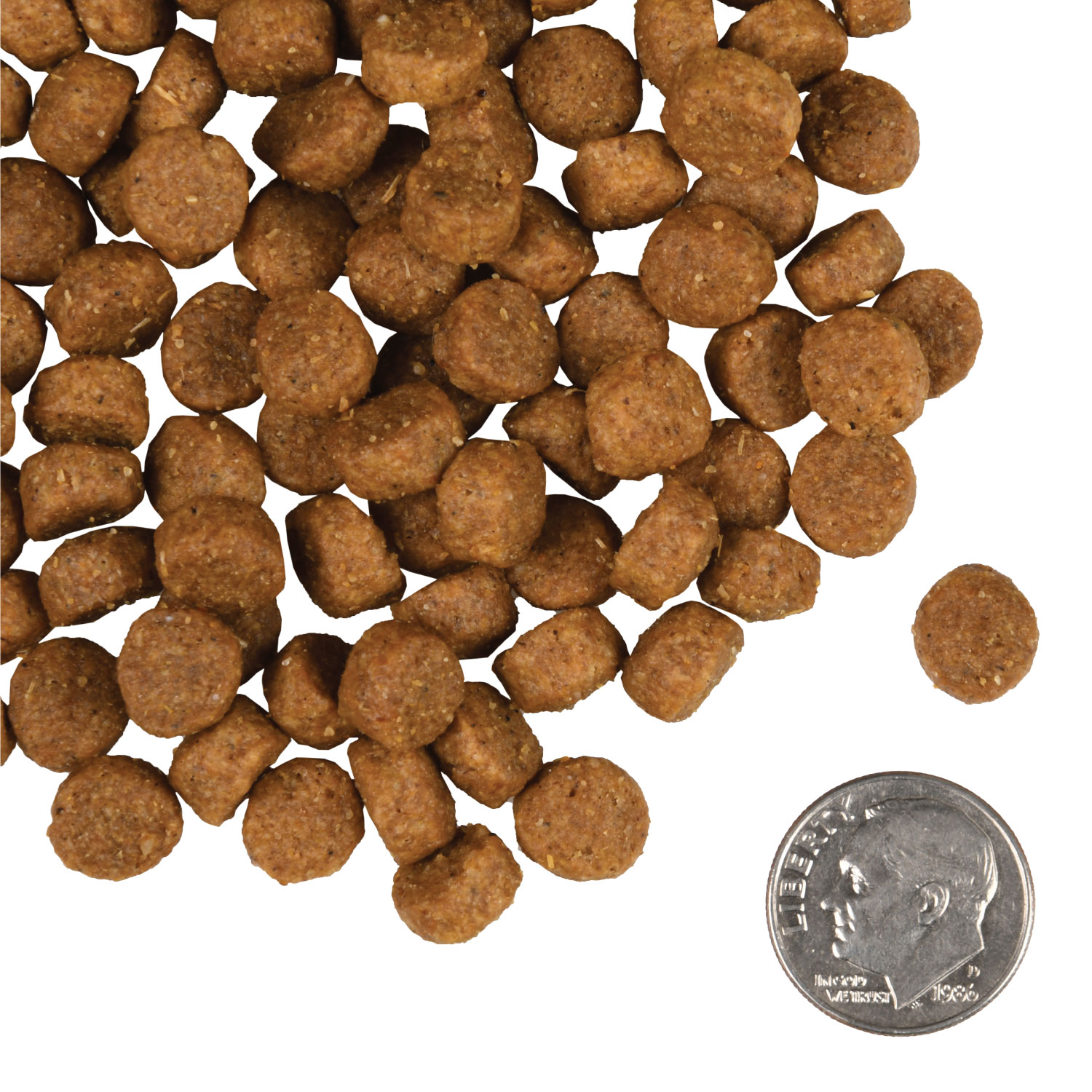
Small dogs often have delicate jaws and teeth, so choosing food with an appropriate texture and size is important. Look for kibbles or wet food pieces that are small enough for your small dog to chew comfortably without posing a choking hazard.
Consult Your Veterinarian
Every dog is unique, and individual dietary requirements may vary based on factors such as age, activity level, and health status. It’s always best to consult with your veterinarian before making any significant changes to your small dog’s diet to ensure they receive the best possible nutrition tailored to their specific needs.
By selecting the right food for your small dog and paying attention to their nutritional needs, you can help them live a long, healthy, and happy life by your side.
7 Essential Tips for Choosing the Best Food for Your Small Dog
- Choose a high-quality small breed dog food that is specifically formulated for their nutritional needs.
- Consider the age and activity level of your small dog when selecting the right type of food.
- Avoid feeding your small dog table scraps or human food as it may not provide balanced nutrition.
- Monitor your small dog’s weight and adjust their food portions accordingly to prevent obesity.
- Provide fresh water at all times to keep your small dog hydrated.
- Consult with a veterinarian if you have concerns about your small dog’s diet or health.
- Introduce new foods gradually to prevent digestive upset in your small dog.
Choose a high-quality small breed dog food that is specifically formulated for their nutritional needs.
When selecting food for your small dog, it is crucial to choose a high-quality small breed dog food that is specifically formulated to meet their unique nutritional needs. These specialized formulas are designed to provide the right balance of nutrients tailored to the requirements of small breeds. By opting for a food that is specifically crafted for small dogs, you can ensure that your furry companion receives the essential vitamins, minerals, and proteins necessary for their overall health and well-being.
Consider the age and activity level of your small dog when selecting the right type of food.
When choosing the appropriate type of food for your small dog, it is essential to consider both their age and activity level. Young puppies, adult dogs, and senior canines have varying nutritional requirements, so selecting a diet that aligns with their specific life stage is crucial for their overall health. Additionally, taking into account your small dog’s activity level can help ensure they receive the right balance of nutrients to support their energy needs and maintain a healthy weight. By tailoring their food choices to suit their age and activity level, you can provide your furry companion with the best possible nutrition to thrive and stay active.
Avoid feeding your small dog table scraps or human food as it may not provide balanced nutrition.
It is important to avoid feeding your small dog table scraps or human food as it may not provide balanced nutrition. While it can be tempting to share your meals with your furry companion, many human foods are not suitable for dogs and may lack the essential nutrients they need. By sticking to high-quality dog food specifically formulated for small breeds, you can ensure that your petite pup receives the proper balance of nutrients necessary for their overall health and well-being.
Monitor your small dog’s weight and adjust their food portions accordingly to prevent obesity.
It is crucial to monitor your small dog’s weight regularly and adjust their food portions as needed to prevent obesity. Small dogs are prone to gaining weight quickly, which can lead to various health issues. By keeping a close eye on your furry friend’s weight and adjusting their food intake accordingly, you can help maintain their overall health and well-being. Consult with your veterinarian for guidance on the appropriate portion sizes to ensure your small dog stays at a healthy weight and enjoys a long, active life.
Provide fresh water at all times to keep your small dog hydrated.
Ensuring that your small dog has access to fresh water at all times is essential for keeping them hydrated and healthy. Small dogs, like all pets, need a constant supply of clean water to maintain proper bodily functions and prevent dehydration. By making sure that your furry companion always has access to fresh water, you can help them stay hydrated, maintain their overall well-being, and support their optimal health.
Consult with a veterinarian if you have concerns about your small dog’s diet or health.
It is highly recommended to consult with a veterinarian if you have any concerns regarding your small dog’s diet or health. Veterinarians are trained professionals who can provide expert advice tailored to your dog’s specific needs. By seeking guidance from a veterinarian, you can ensure that your small dog receives the appropriate nutrition and care necessary for their well-being. Regular check-ups and consultations with a vet play a crucial role in maintaining your small dog’s health and addressing any dietary issues effectively.
Introduce new foods gradually to prevent digestive upset in your small dog.
When it comes to small dog food, it is important to introduce new foods gradually to prevent digestive upset in your petite pup. Sudden changes in diet can lead to stomach issues such as diarrhea or vomiting, especially in dogs with sensitive stomachs. By slowly transitioning your small dog to a new food over a period of several days, you give their digestive system time to adjust and reduce the likelihood of any gastrointestinal disturbances. This gradual approach helps ensure that your small dog can comfortably enjoy their meals without any tummy troubles.
Related Posts
Discover the Benefits of Marrow Bones for Dogs: A Nutritious Chew Treat
The Benefits of Marrow Bones for Dogs The Benefits of…
Exploring the Outdoors Safely: The Benefits of Using a Cat Harness and Leash
The Benefits of Using a Cat Harness and Leash The…

Choosing the Best Dog Food for Your Beloved Canine Companion
Best Dog Food for Dogs The Best Dog Food for…