
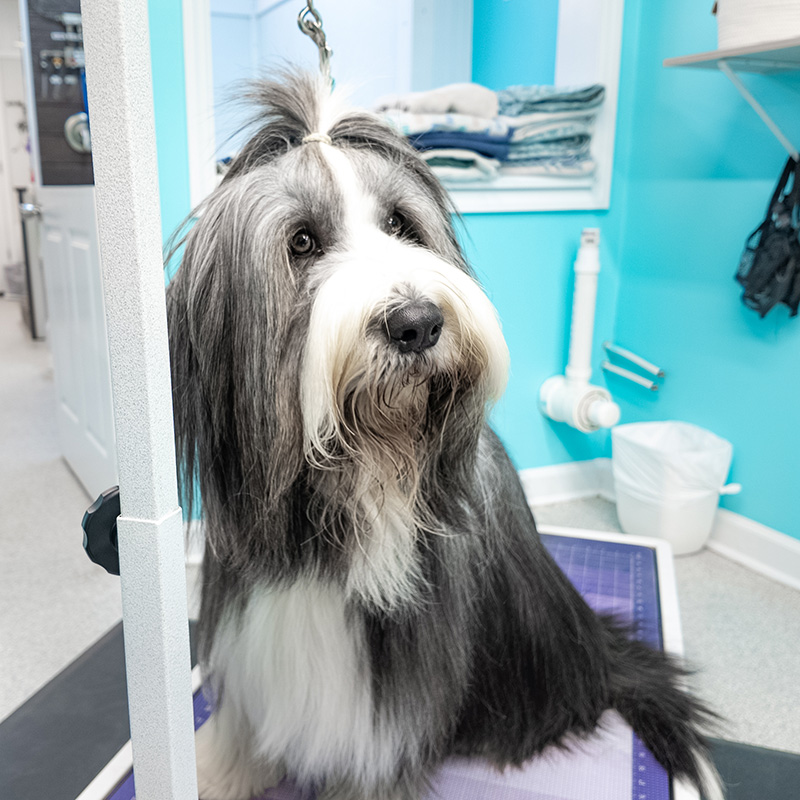
The Importance of Puppy Grooming
Grooming is an essential aspect of caring for your puppy’s overall health and well-being. Regular grooming not only keeps your puppy looking clean and tidy but also plays a crucial role in maintaining their physical health and emotional happiness.
Benefits of Puppy Grooming:
- Healthy Skin and Coat: Regular brushing helps remove dirt, debris, and loose fur, preventing matting and tangling. This promotes healthy skin and a shiny coat.
- Early Detection of Health Issues: During grooming sessions, you can check for any abnormalities such as lumps, bumps, or skin irritations that may require veterinary attention.
- Bonding Time: Grooming provides an excellent opportunity to bond with your puppy. It helps build trust and strengthens the relationship between you and your furry friend.
- Prevents Parasites: Keeping your puppy clean through regular grooming can help prevent infestations of fleas, ticks, and other parasites that can harm your pet’s health.
- Maintains Comfort: Trimming nails, cleaning ears, and keeping the fur around sensitive areas short can prevent discomfort and potential infections for your puppy.
Tips for Puppy Grooming:
When grooming your puppy, it’s important to use appropriate tools such as a soft brush for gentle brushing, nail clippers designed for pets, and pet-safe shampoo. Start grooming sessions early to accustom your puppy to the process gradually.
Remember to reward your puppy with treats or praise during grooming sessions to make it a positive experience. If you’re unsure about how to groom certain areas or if your puppy has specific grooming needs, consult a professional groomer or veterinarian for guidance.
In conclusion, regular grooming is a vital part of caring for your puppy’s health and happiness. By establishing a consistent grooming routine early on, you’ll help ensure that your furry companion stays clean, comfortable, and healthy throughout their life.
Essential Puppy Grooming FAQs: When and How to Start
- Is it okay to groom a 3 month old puppy?
- How do dog groomers keep puppies still?
- What age should a puppy be groomed?
- When to give a puppy its first bath?
- When can I groom my puppies?
- Why can’t you groom a puppy before 6 months?
- How to introduce a puppy to grooming?
Is it okay to groom a 3 month old puppy?
Grooming a 3-month-old puppy is not only okay but also essential for their well-being. At this age, introducing your puppy to grooming practices helps them become accustomed to being handled and cared for, setting a positive foundation for future grooming sessions. Gentle grooming activities such as brushing, nail trimming, ear cleaning, and bathing can help maintain your puppy’s hygiene and health. It’s important to use appropriate tools and techniques suitable for young puppies to ensure a safe and comfortable grooming experience. Starting grooming early not only keeps your puppy clean and healthy but also fosters a strong bond between you and your furry companion.
How do dog groomers keep puppies still?
Dog groomers have various techniques to keep puppies still during grooming sessions. One common method is to use positive reinforcement, such as treats or praise, to encourage good behavior and cooperation. Groomers may also employ gentle restraint techniques, like using a grooming arm or table restraints, to ensure the puppy stays in place safely. Additionally, some groomers incorporate toys or distractions to help keep puppies calm and focused during the grooming process. By combining patience, skill, and understanding of canine behavior, groomers can effectively groom puppies while keeping them comfortable and secure.
What age should a puppy be groomed?
Determining the right age for grooming a puppy is a common concern among new pet owners. While the ideal age for grooming can vary depending on the breed and individual needs of the puppy, it is generally recommended to start introducing grooming practices as early as possible. Gentle handling and positive experiences during grooming sessions from a young age can help puppies become accustomed to the process and develop good grooming habits. Starting with simple tasks like brushing, nail trimming, and ear cleaning can gradually prepare the puppy for more extensive grooming procedures as they grow older. Consulting with a professional groomer or veterinarian can provide tailored advice on when to begin grooming specific to your puppy’s breed and temperament.
When to give a puppy its first bath?
Determining the right time to give your puppy its first bath is a common concern among new pet owners. It is generally recommended to wait until your puppy is at least eight weeks old before giving them their first bath. This allows their skin and coat to develop naturally and ensures they are old enough to handle the bathing process without becoming overly stressed. However, if your puppy gets into something particularly dirty or smelly before eight weeks, a gentle wipe-down with a damp cloth may suffice until they are ready for their first full bath. Always use a mild puppy-specific shampoo and make sure to thoroughly rinse and dry your puppy after the bath to prevent skin irritation.
When can I groom my puppies?
Grooming your puppies should start early to get them accustomed to the grooming process. While it’s important to wait until your puppy is at least eight weeks old before giving them a full bath, you can begin gentle grooming practices even earlier. Starting with simple tasks like brushing their fur with a soft brush or comb can help your puppy become comfortable with being handled and groomed. Introducing grooming gradually and positively from a young age can set the foundation for a lifetime of good grooming habits and ensure that your puppy stays clean, healthy, and happy.
Why can’t you groom a puppy before 6 months?
It is generally recommended to wait until a puppy is at least 6 months old before starting regular grooming sessions. Puppies undergo various developmental stages during their first few months, and their coat, skin, and overall physical condition are still maturing. Grooming too early can be stressful for a young puppy and may lead to discomfort or skin irritation. Waiting until the puppy is older allows their coat to fully develop, making grooming procedures more effective and less likely to cause any harm. Additionally, delaying grooming until the puppy is more accustomed to handling and socialization can help create a positive grooming experience for both the puppy and the owner.
How to introduce a puppy to grooming?
Introducing a puppy to grooming is a gradual process that requires patience and positive reinforcement. Start by getting your puppy familiar with the grooming tools, such as brushes and nail clippers, without using them initially. Allow your puppy to sniff and investigate the tools to reduce any fear or anxiety. Next, gently touch and handle your puppy’s paws, ears, and body to accustom them to being touched in those areas. Reward your puppy with treats and praise during these interactions to create a positive association with grooming. Gradually introduce the grooming tools one at a time, starting with short sessions and gradually increasing the duration as your puppy becomes more comfortable. Remember to keep the experience calm and positive to help your puppy associate grooming with a pleasant experience.
Related Posts
Choosing the Right Retriever Dog Kennel for Your Beloved Pet
Retriever Dog Kennel The Retriever Dog Kennel: A Home Away…
Discover the Ultimate Dog Grooming Brush Set for Your Pup’s Pampering Needs
The Ultimate Dog Grooming Brush Set: Keeping Your Pup Looking…
Ultimate Comfort: Memory Foam Dog Bed for Your Furry Friend
The Benefits of Memory Foam Dog Beds The Benefits of…