
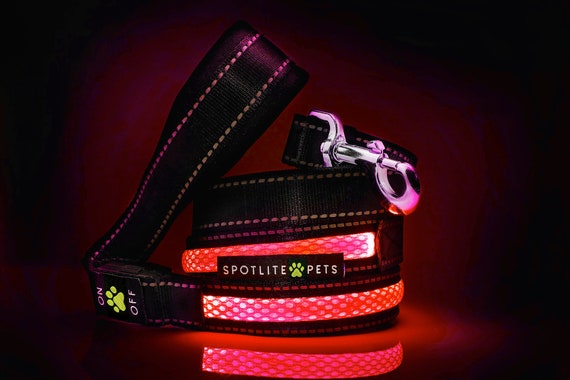
LED Dog Lead: A Safer Way to Walk After Dark
An LED dog lead can make evening and early-morning walks easier to see. Built-in lights or illuminated fibers help make a dog and handler more visible to people nearby, including drivers, cyclists, and other pedestrians. If your routine includes walking in low light, an LED lead may be a useful addition to your dog-walking gear.
What Is an LED Dog Lead?
An LED dog lead is a leash with integrated lighting. Depending on the design, it may use lights along the length of the lead, a lighted handle, or an illuminated section near the clip. Many models are battery-powered and offer steady or flashing light settings. Some are rechargeable, while others use replaceable batteries.
An LED lead is different from a standard reflective leash. Reflective materials shine when light hits them, such as headlights. LED lights produce their own light, so they can be visible even when there is little external light.
Potential Benefits
- Improved visibility: Lighting can help others spot the leash and dog in dim conditions.
- Added awareness: A lit lead may make the space between you and your dog easier to see on a sidewalk or path.
- Useful for regular low-light walks: It can be a practical option for early-morning or evening routines.
- Easy to pair with other gear: An LED lead can be used alongside a reflective collar, harness, or vest for added visibility.
Lighting is not a substitute for attentive handling. Keep your dog close near traffic, use well-lit routes when possible, and follow local leash rules.
How to Choose an LED Dog Lead
Check the length and control
Choose a length that suits where you walk. A shorter lead can offer more control on busy sidewalks, while a longer one may be more comfortable in open spaces where local rules allow it. Consider how the lead feels in your hand and whether the handle is comfortable for longer walks.
Look at the lighting design
Some leads illuminate most of their length, while others have a small light near the handle or clip. Think about which parts you want to be visible. Check whether the lead has multiple lighting modes and whether the controls are easy to use without interrupting your walk.
Consider power and charging
Compare rechargeable models with those that use replaceable batteries. Look for clear information about charging time, battery life, and how the light indicates that power is running low. Battery performance can vary with the lighting mode and how often the lead is used.
Match the lead to your dog
Check the manufacturer’s weight guidance and inspect the clip, stitching, and materials. The lead should be suitable for your dog’s size and walking habits. If your dog pulls strongly, ask a veterinarian or qualified trainer about appropriate walking equipment and handling techniques.
Review weather and care instructions
Some LED leads are designed to handle light rain, but water resistance varies. Read the product details before using one in wet conditions, and never assume the charging port or battery housing is waterproof. Follow the care instructions to protect the electrical components.
Tips for Using an LED Lead
- Charge the lead or check its batteries before heading out.
- Test the lights at home so you know how the controls work.
- Use a collar or harness that fits your dog securely.
- Pair the lead with reflective gear for visibility from different angles.
- Inspect the leash, clip, and light components regularly for wear or damage.
- Keep a backup leash available in case the battery runs out or the light stops working.
Is an LED Dog Lead Right for You?
An LED dog lead may be a helpful choice if you frequently walk your dog before sunrise or after sunset. The best option depends on your route, your dog’s size and behavior, and the lead’s comfort, durability, and lighting features. Used as part of a thoughtful walking routine, it can help make you and your dog more noticeable in low-light conditions.
7 Tips for Using an LED Dog Leash Safely on Nighttime Walks
- Charge the LED lead before evening walks.
- Choose a brightness setting suited to your route.
- Check that the lead fits securely on your dog’s collar or harness.
- Inspect the lights and clips for damage before each walk.
- Keep the lead visible by avoiding bulky covers.
- Use a regular leash as backup if the LEDs fail.
- Check the product’s water-resistance rating before walking in rain.
Charge the LED lead before evening walks.
Charge the LED dog lead before evening walks so its lights stay on throughout your outing. Check the battery level ahead of time, and follow the manufacturer’s charging instructions to keep the lead ready and working properly.
Choose a brightness setting suited to your route.
Choose a brightness setting that matches your route and surroundings. A steady light can provide clear visibility on dim sidewalks, while a flashing mode may help you stand out near traffic or on busier paths. On well-lit streets or quiet trails, a lower setting may be more comfortable and conserve battery life. Always follow the product instructions and make sure the light helps others see you and your dog without distracting you or people nearby.
Check that the lead fits securely on your dog’s collar or harness.
Check that the LED dog lead clips securely to your dog’s collar or harness before every walk. The clasp should close fully and attach to a sturdy D-ring, not a loose tag ring. Give it a gentle tug to confirm it’s fastened, and make sure the collar or harness fits properly so your dog stays comfortable and secure.
Inspect the lights and clips for damage before each walk.
Before each walk, take a moment to check your LED dog lead for damage. Turn on the lights to make sure they work, and inspect the clip, stitching, and leash material for cracks, fraying, or loose parts. A quick check can help catch problems early and ensure the lead stays secure and visible while you and your dog are out.
Keep the lead visible by avoiding bulky covers.
Keep your LED dog lead visible by avoiding bulky covers that could block or dim its lights. If you need to protect the lead from rain or dirt, choose a cover designed to leave the illuminated sections and controls uncovered, so others can still see you and your dog clearly.
Use a regular leash as backup if the LEDs fail.
Even a reliable LED dog lead can run out of power or stop working, so it’s smart to carry a regular leash as a backup. If the lights fail, you can switch leads and keep your dog safely secured without cutting your walk short.
Check the product’s water-resistance rating before walking in rain.
Before taking your dog out in the rain, check the LED lead’s water-resistance rating and follow the manufacturer’s care instructions. Some models can handle light splashes but may not be safe to use in heavy rain or to submerge. Keeping water away from charging ports and battery compartments can help protect the lights and extend the lead’s life.
Related Posts

Indulge Your Pup with Good ‘n’ Fun Dog Treats: A Delicious and Healthy Choice
Good 'n' Fun Dog Treats: A Delicious and Healthy Choice…
Rapawzel: The Enchanting Canine with a Fairy Tale Coat
Rapawzel: The Canine Rapunzel Rapawzel: The Canine Rapunzel Meet Rapawzel,…

How to Find the Perfect Dog Sitter for Your Furry Friend
Finding a Dog Sitter How to Find the Perfect Dog…