
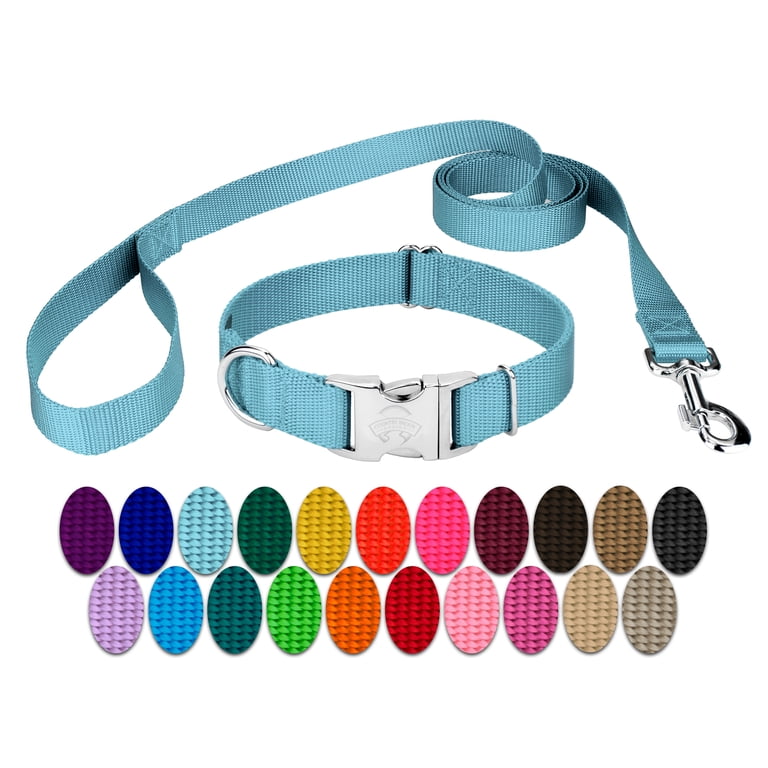
Choosing the Right Dog Collar and Leash
A well-fitted collar and a dependable leash are everyday essentials for many dogs. They help keep walks controlled, make it easier to identify your pet, and support safe outings together. The right choice depends on your dog’s size, age, behavior, and walking environment.
Choosing a Collar
A flat collar is a common option for carrying identification tags and attaching a leash for dogs who walk comfortably without pulling. Collars come in materials such as nylon, leather, and padded fabric. Look for sturdy hardware, smooth edges, and a width that suits your dog’s size.
Fit matters. A collar should be snug enough that it cannot slip over your dog’s head, but loose enough to sit comfortably. For many dogs, you should be able to slide two fingers between the collar and the neck. Check the fit regularly, especially for puppies who are still growing or dogs whose weight changes.
Some dogs may do better walking on a harness, particularly if they pull or have sensitive necks. A harness should also fit properly and should not restrict movement or rub under the legs. Ask your veterinarian or a qualified trainer for guidance if you are unsure which option is appropriate.
Finding a Suitable Leash
A standard leash, usually about four to six feet long, offers a useful balance of control and freedom for everyday walks. Choose a strong, comfortable leash with secure clips and stitching that can handle your dog’s size and strength. The handle should feel comfortable in your hand, even when your dog changes direction suddenly.
Long lines can be useful for supervised practice or activities in open areas where they are permitted. Retractable leashes give dogs more room to explore, but they can be harder to manage around traffic, other dogs, or crowds. Use them thoughtfully, and follow local leash rules.
How to Introduce a Collar and Leash
Let your dog investigate new gear before putting it on. Start with short, positive sessions indoors, rewarding calm behavior with treats or praise. Once your dog is comfortable wearing the collar or harness, attach the leash and let it trail briefly under supervision before practicing gentle, relaxed walking.
Keep the leash loose when possible, and reward your dog for walking near you. Avoid jerking or yanking the leash; steady guidance and rewards are generally more comfortable and useful for teaching good walking habits. If walks are difficult, a qualified, reward-based trainer can help.
Safety and Care
- Use a secure identification tag, and consider having your dog microchipped as an additional form of identification.
- Check the collar, leash, and clips regularly for fraying, cracks, loose stitching, or rust.
- Keep your dog leashed wherever required, and use extra caution near roads and crowded areas.
- Remove or supervise collars during play with other dogs if they could catch on teeth, paws, or objects.
- Wash and dry walking gear according to the manufacturer’s care instructions.
A Better Fit for Every Walk
The best collar and leash are comfortable, secure, and suited to your dog’s needs. Take time to check the fit, practice walking together, and replace worn equipment. With the right gear and patient training, everyday walks can become safer and more enjoyable for both you and your dog.
8 Benefits of Using a Collar and Leash for Your Dog
- Helps keep your dog safely by your side.
- Makes walks easier to manage.
- Provides a place for ID tags.
- Offers better control near roads.
- Supports leash-training practice.
- Comes in styles for different dogs.
- Encourages safe outdoor exercise.
- Strengthens your bond on walks.
Potential Downsides of Using Collars and Leashes for Dogs
- A collar may strain a dog’s neck if they pull.
- Leashes can tangle or restrict movement.
- Poorly fitted gear can cause discomfort or chafing.
Helps keep your dog safely by your side.
A collar and leash help keep your dog safely by your side during walks and outings. With a secure fit and a comfortable leash, you can guide your dog away from traffic, hazards, and unfamiliar situations while still giving them time to explore.
Makes walks easier to manage.
A well-fitting collar and sturdy leash can make walks easier to manage by helping you guide your dog and keep them close in busy or unfamiliar places. With a comfortable grip and a suitable leash length, you can respond more easily to distractions, navigate sidewalks, and enjoy a calmer walk together.
Provides a place for ID tags.
A collar gives your dog a convenient place to wear identification tags with your contact information. If your dog gets lost, a visible tag can help someone identify them and contact you quickly. Make sure the tags are secure, easy to read, and kept up to date.
Offers better control near roads.
A collar and leash can give you better control near roads, helping keep your dog close when traffic is nearby. A secure, well-fitted collar and sturdy leash make it easier to guide your dog away from vehicles and other hazards, making walks safer for both of you.
Supports leash-training practice.
A collar and leash can support leash-training practice by helping your dog learn to walk calmly beside you and respond to gentle guidance. With short, positive training sessions and rewards for good behavior, your dog can build confidence and develop better walking habits.
Comes in styles for different dogs.
Dog collars and leashes come in styles to suit different dogs and their needs. From lightweight options for small dogs to sturdy designs for larger, stronger companions, there are choices in a variety of materials, colors, and patterns. This range makes it easier to find comfortable, practical gear that fits your dog’s size and personality.
Encourages safe outdoor exercise.
A collar and leash help make outdoor exercise safer by keeping your dog close and under control on walks, hikes, and other outings. They can help prevent sudden dashes toward traffic, wildlife, or unfamiliar people and dogs, while giving your pup opportunities to explore, move, and enjoy fresh air. Choose comfortable, well-fitting gear and stay attentive so your dog can exercise safely by your side.
Strengthens your bond on walks.
Walking together with a collar and leash can strengthen the bond between you and your dog. These shared outings give you time to explore, practice cues, and communicate through gentle guidance and praise. With patience and positive experiences, walks can become a fun routine that builds trust and brings you closer.
A collar may strain a dog’s neck if they pull.
A traditional collar can put pressure on a dog’s neck when they pull hard on the leash. Repeated strain may cause discomfort and can be a concern for dogs with sensitive necks or certain health conditions. If your dog tends to pull, ask your veterinarian or a qualified trainer whether a properly fitted harness may be a more suitable option.
Leashes can tangle or restrict movement.
Leashes can sometimes tangle around a dog’s legs, nearby objects, or other pets, making walks uncomfortable and potentially unsafe. A short or taut leash may also limit a dog’s ability to explore and move naturally. Choosing an appropriate leash length, staying attentive, and giving your dog room to walk when it’s safe can help reduce these issues.
Poorly fitted gear can cause discomfort or chafing.
Poorly fitted collars and leashes can rub against a dog’s skin, causing discomfort, irritation, or chafing—especially during long walks or active play. A collar that’s too tight may also restrict movement, while one that’s too loose can shift around or slip off. Check the fit regularly and look for redness, hair loss, or sore spots so you can adjust or replace the gear as needed.
Related Posts

Keeping It Clean: The Importance of Dog Bags for Poop Cleanup
The Importance of Dog Bags for Poop Cleanup The Importance…
Nourish Your Growing Pup with Wellness Complete Health Puppy Food
Wellness Complete Health Puppy The Benefits of Wellness Complete Health…
Best Dental Treats for Dogs: How to Choose a Safe, Effective Chew
Best Dental Treats for Dogs: What to Look For Dental…