
Long Dog Leads for Small Dogs: How to Choose and Use One
A long dog lead can give a small dog more room to explore while still keeping them connected to you. It can be useful for practicing recall, sniffing in open spaces, and enjoying walks where a standard leash feels restrictive. The right lead should offer freedom without being too heavy or difficult to manage for your dog’s size.
What Is a Long Dog Lead?
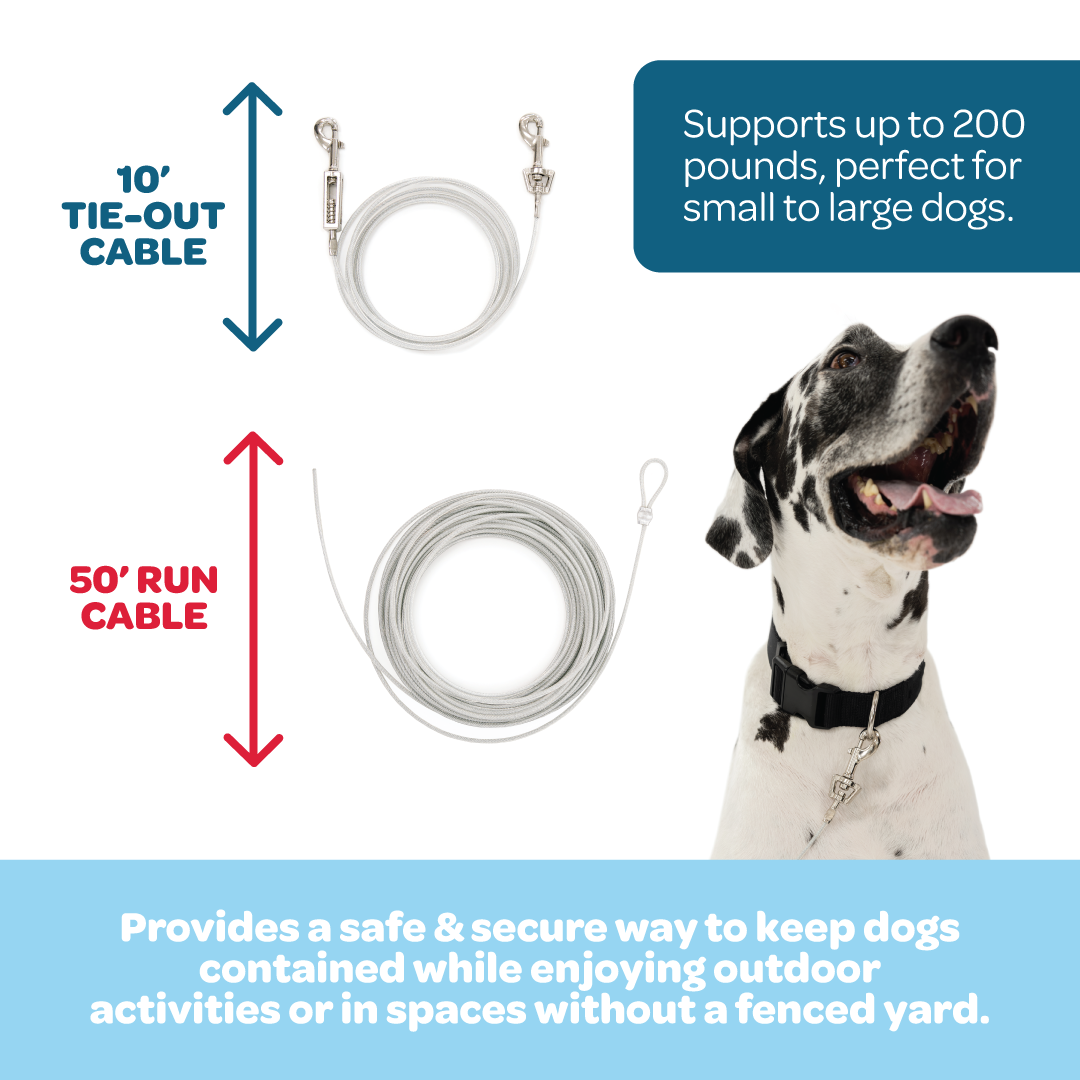
A long lead is a leash that extends well beyond the typical 4- to 6-foot walking leash. Many long lines are around 10 to 30 feet long, though shorter and longer options are available. Unlike a retractable leash, a standard long line has a fixed length that you manage yourself.
Long leads are especially helpful for training because they let a dog move farther away while giving the handler a way to prevent them from running off. They are best used in open, low-traffic areas—not on crowded sidewalks or near busy roads.
Choosing a Long Lead for a Small Dog
- Look for lightweight materials. A heavy line can drag on the ground, bother your dog, or make movement uncomfortable. Lightweight nylon or biothane-style leads may be easier for small dogs to manage.
- Check the clip size and weight. The clasp should be secure but not so bulky that it pulls on your dog’s harness or collar. Confirm that the lead is rated for your dog’s size and strength.
- Choose a practical length. A 10- to 15-foot line can be a manageable starting point. Longer lines offer more room, but they require more space and attention to prevent tangles.
- Consider visibility and grip. Bright colors can make a line easier to see outdoors. A comfortable handle or end loop can also make it easier to hold, though the line itself should never be wrapped around your hand.
- Match the lead to the activity. A lightweight line may suit recall practice, while a more durable option may work better for regular outdoor use. Always inspect the stitching, clips, and material before each outing.
Use a Harness for Added Comfort
For many small dogs, a well-fitted harness is a comfortable place to attach a long lead, especially during training. A sudden stop at the end of a long line can create force, so avoid letting your dog build up speed and hit the end of the lead. Keep enough slack to move naturally, and guide your dog gently rather than jerking the line.
Check that the harness fits securely without rubbing or restricting movement. If your dog tends to back out of a harness, ask a veterinarian or qualified trainer for help finding a safer fit.
Tips for Safe Long-Lead Use
- Practice in a fenced area or quiet, open space before using the lead in a new environment.
- Keep your dog within sight and pay attention to people, wildlife, other dogs, and nearby hazards.
- Let the line slide through your hands only when you can do so safely, and avoid wrapping it around your fingers or wrist.
- Prevent the line from crossing walkways or getting tangled around your dog, other people, or objects.
- Use a shorter leash near roads, crowds, and other places where extra length could create a hazard.
- Follow local leash rules, since long leads may not be allowed in some public areas.
Long Lead or Retractable Leash?
A long line offers a fixed amount of leash to manage, which can make it useful for structured training. A retractable leash changes length as the dog moves and may keep tension on the line. Both require close supervision, but a long line often gives the handler more direct control over how much distance is available. Neither option should replace a secure leash in areas with traffic or other hazards.
Give Your Small Dog Room to Explore
The best long dog lead for a small dog is light enough to be comfortable, strong enough for the dog using it, and a suitable length for the setting. Introduce it gradually, pair it with a secure harness, and use it in open areas where you can stay attentive. With thoughtful handling, a long lead can make walks and recall practice more enriching while keeping your small companion safely connected.
7 Benefits of Long Dog Leads for Small Dogs: Explore, Train, and Play Safely
- Gives small dogs more room to explore.
- Supports recall training at a safe distance.
- Encourages sniffing and enrichment.
- Offers more control than off-leash time.
- Lightweight options suit smaller breeds.
- Useful for practicing commands outdoors.
- Available in lengths for different spaces.
7 Drawbacks of Using Long Leads for Small Dogs
- Can feel heavy to very small dogs.
- May drag on the ground and collect dirt.
- Can tangle around legs or objects.
- Requires extra attention to manage safely.
- Less practical in crowded areas.
- Can cause a sudden jolt if a dog runs to the end.
- May not be allowed in some public spaces.
Gives small dogs more room to explore.
A long dog lead gives small dogs more room to sniff, wander, and explore their surroundings while keeping them safely connected to you. That extra space can make walks more enriching and let your dog investigate at a comfortable pace, while you remain close enough to guide them when needed.
Supports recall training at a safe distance.
A long dog lead lets your small dog practice coming when called while exploring farther away, without being fully off leash. You can give your dog room to respond to cues and gently guide them back if they get distracted, helping build reliable recall at a safe, manageable distance. Use the lead in an open area, keep it slack when possible, and avoid letting your dog run full speed to the end.
Encourages sniffing and enrichment.
A long dog lead gives small dogs more room to follow interesting scents and explore their surroundings at a comfortable pace. Sniffing provides mental stimulation and can make walks more engaging than simply moving from one point to another. With a long lead, your dog can investigate while you maintain a safe connection and guide them away from hazards.
Offers more control than off-leash time.
A long dog lead gives small dogs room to explore while keeping them connected to you—offering more control than off-leash time. You can let your dog sniff and wander within a set distance, then guide them away from hazards or toward you when needed. It’s a practical middle ground for practicing recall and enjoying open spaces, especially where letting your dog roam freely may be unsafe or against local rules.
Lightweight options suit smaller breeds.
Lightweight long dog leads are a great fit for smaller breeds because they’re easier for little dogs to move around with and less likely to drag or feel cumbersome. Choosing a lead with a lightweight line and a small, secure clasp can give your dog more room to explore without adding unnecessary weight.
Useful for practicing commands outdoors.
Long dog leads are useful for practicing commands outdoors because they let small dogs explore at a greater distance while remaining safely connected to their handler. With extra room to move, dogs can practice recall, “stay,” and other cues in a more realistic setting than indoors. The lead also gives the handler a way to guide the dog gently and prevent them from wandering too far while they build confidence and consistency.
Available in lengths for different spaces.
Long dog leads come in a range of lengths, so you can choose one that suits the space and activity. A shorter line can give your small dog a little extra room in a park or yard while staying easy to manage, while a longer lead can allow more freedom for supervised exploring and recall practice in a wide, open area.
Can feel heavy to very small dogs.
For very small dogs, a long lead can feel heavy or awkward, especially if the leash material is thick or the clip is bulky. The extra weight may tug on a harness or collar and make it less comfortable for your dog to move naturally. Choose a lightweight lead with a small, secure clip, and check that your dog can walk comfortably before using it for longer outings.
May drag on the ground and collect dirt.
Long dog leads can drag on the ground, making them more likely to pick up dirt, mud, leaves, and moisture—especially when used by a small dog. A dirty, wet lead can be unpleasant to handle and may need frequent cleaning, so choose an easy-to-wash material and check the line after each walk.
Can tangle around legs or objects.
Long dog leads can easily tangle around a small dog’s legs, nearby people, or objects such as trees and benches. Because a long line has more slack, it can be harder to manage in busy or cluttered areas, and sudden tangles may startle or trip your dog. Use a long lead in open spaces, watch where the line is trailing, and gather up excess slack when your dog comes closer.
Requires extra attention to manage safely.
Long dog leads require extra attention to manage safely, especially when a small dog is exploring far from you. The line can tangle around your dog, your legs, or nearby people and objects, and it may snag on branches or cross walkways. Keep the lead in hand without wrapping it around your fingers, watch your surroundings, and shorten the line near roads, crowds, or other hazards.
Less practical in crowded areas.
Long dog leads are less practical in crowded areas because the extra length can tangle around your dog, other people, or nearby objects. It may also be harder to guide a small dog quickly through foot traffic, and the line can create a tripping hazard. In busy places, a standard short leash is usually easier and safer to manage.
Can cause a sudden jolt if a dog runs to the end.
A long lead can cause a sudden jolt if a small dog runs to its limit, potentially startling or hurting the dog and straining the harness or leash. To reduce the risk, keep the line slack but controlled, practice in an open area, and prevent your dog from building up speed before reaching the end.
May not be allowed in some public spaces.
Long dog leads may not be allowed in some public spaces, where leash rules often require a standard-length lead for safety and easier control. Before heading out, check local regulations and posted signs—especially at parks, beaches, and shared trails. Keeping a shorter leash handy can help you follow the rules and navigate crowded areas safely.
Related Posts

Discover the Top Dog Food Choices for Your Canine Companion
Top Dog Food Choices for Your Furry Friend Top Dog…
Discover the Best Dog Daycare Near Me for Your Furry Friend!
Best Dog Daycare Near Me Discover the Best Dog Daycare…

Nourishing Your Pup: The Best Healthy Dog Treats for Your Furry Friend
The Importance of Healthy Dog Treats The Importance of Healthy…