
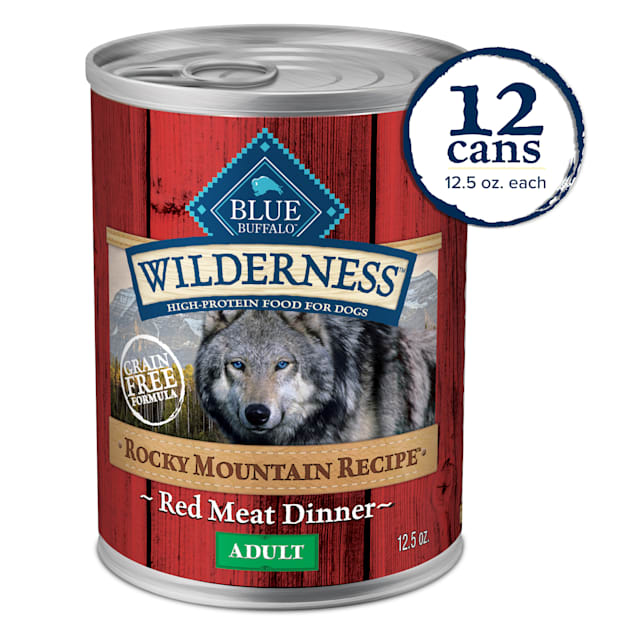
Blue Mountain Dog Food: What Pet Owners Should Know
Choosing a dog food can feel overwhelming, especially when you’re comparing brands, recipes, and ingredient lists. If you’re considering Blue Mountain dog food, start by checking the specific product’s label. Recipes and nutritional profiles can vary, so the details on the bag or can are the best guide to what a particular formula offers.
Start With Your Dog’s Needs
The right food depends on your dog’s age, size, activity level, and health. Puppies generally need food formulated for growth, while adult dogs need a diet designed to maintain their condition. Senior dogs may have different needs, and dogs with allergies or medical conditions may require guidance from a veterinarian.
Look for a statement on the package identifying the life stage the food is intended for and indicating whether it is complete and balanced. This helps you determine whether the recipe is designed to serve as your dog’s everyday diet or is meant for supplemental feeding.
Read the Label Carefully
Ingredient lists can offer useful information, but they don’t tell the whole story about a food’s nutritional quality. Review the guaranteed analysis for information such as protein, fat, fiber, and moisture. Also check feeding directions, calorie content, and any storage instructions.
If you have questions about a Blue Mountain recipe’s ingredients, sourcing, or nutritional adequacy, consult the product packaging or contact the manufacturer directly. Avoid relying on assumptions based on the brand name or on one ingredient alone.
Transition to a New Food Gradually
When changing your dog’s diet, make the transition over several days rather than switching foods all at once. Gradually mix increasing amounts of the new food with the old food, while watching for changes in appetite or digestion. If your dog develops persistent vomiting, diarrhea, itching, or other concerning symptoms, contact a veterinarian.
Choosing With Confidence
Blue Mountain dog food may be worth considering if a specific formula suits your dog’s needs and meets your expectations for nutrition, ingredients, and price. Compare the full product label, choose a recipe appropriate for your dog’s life stage, and ask your veterinarian for personalized advice—especially if your dog has health concerns or needs a specialized diet.
9 Essential Tips for Choosing and Using Blue Mountain Dog Food
- Choose a formula suited to your dog’s age and size.
- Check the label for a complete and balanced diet.
- Review ingredients for known allergens or sensitivities.
- Transition gradually over 7–10 days.
- Follow feeding guidance, then adjust for activity and weight.
- Keep fresh water available at every meal.
- Store food in a cool, dry place in a sealed container.
- Check the package’s expiration date before buying.
- Ask your veterinarian if your dog has health or dietary needs.
Choose a formula suited to your dog’s age and size.
Choose a Blue Mountain dog food formula that matches your dog’s age and size, since puppies, adults, and senior dogs can have different nutritional needs, and small and large breeds may benefit from different kibble sizes or feeding guidance. Check the package to make sure the formula is appropriate for your dog’s life stage, and ask your veterinarian if you’re unsure which option is best.
Check the label for a complete and balanced diet.
When choosing Blue Mountain dog food, check the label to make sure the formula is described as “complete and balanced” for your dog’s life stage, such as growth, adult maintenance, or all life stages. This indicates that the food is intended to provide the nutrients dogs need when fed as directed. If your dog has special dietary needs or a health condition, ask your veterinarian whether the formula is appropriate.
Review ingredients for known allergens or sensitivities.
When choosing Blue Mountain dog food, review the ingredient list for anything your dog is allergic or sensitive to, such as a particular protein, grain, or other ingredient. Recipes can differ, so check the label every time you buy—even if the packaging looks familiar—and ask your veterinarian if you’re unsure what may be triggering a reaction. If you’re switching foods, introduce the new recipe gradually and watch for signs such as itching, digestive upset, or changes in appetite.
Transition gradually over 7–10 days.
When switching your dog to Blue Mountain dog food, transition gradually over 7–10 days to help reduce the chance of digestive upset. Start by mixing a small amount of the new food with your dog’s current food, then slowly increase the proportion of Blue Mountain while decreasing the old food each day. Keep an eye on your dog’s appetite and digestion, and slow the transition if you notice any problems. If symptoms persist or you have concerns, contact your veterinarian.
Follow feeding guidance, then adjust for activity and weight.
Follow the feeding guidance on the Blue Mountain dog food package as a starting point, then adjust portions based on your dog’s activity level, body condition, and weight changes. More active dogs may need more food, while less active dogs may need smaller portions to maintain a healthy weight. Make changes gradually, keep fresh water available, and ask your veterinarian for advice if you’re unsure how much to feed.
Keep fresh water available at every meal.
Keep fresh, clean water available at every meal when serving Blue Mountain dog food. Dogs need water to stay hydrated and support healthy digestion, and having it nearby encourages them to drink as needed. Wash and refill your dog’s water bowl regularly, especially after meals or exercise.
Store food in a cool, dry place in a sealed container.
Store Blue Mountain dog food in a cool, dry place to help keep it fresh and protect it from moisture, heat, and pests. After opening the original bag, seal it tightly or place the entire bag inside an airtight container, and follow any storage instructions on the packaging.
Check the package’s expiration date before buying.
Before buying Blue Mountain dog food, check the package’s expiration or “best by” date to make sure it will stay fresh long enough for your dog to finish it. Choose a package with a date well in the future, and inspect the packaging for tears, punctures, or other damage that could affect freshness. Once opened, store the food according to the package directions.
Ask your veterinarian if your dog has health or dietary needs.
If your dog has a health condition, food allergy, sensitive stomach, or other dietary need, ask your veterinarian before choosing a Blue Mountain dog food formula. Your vet can help you review the recipe and select an appropriate diet based on your dog’s age, health, and nutritional requirements.
Related Posts

Discover the Nutritional Excellence of Abound Dog Food for Your Furry Friend
About Abound Dog Food About Abound Dog Food Abound dog…

Choosing the Best Dog Food for Your Senior Canine Companion
Best Dog Food for Senior Dogs The Best Dog Food…
The Ultimate Guide to Finding the Best Dog Muzzle for Your Canine Companion
Best Dog Muzzle The Best Dog Muzzle: Ensuring Safety and…