
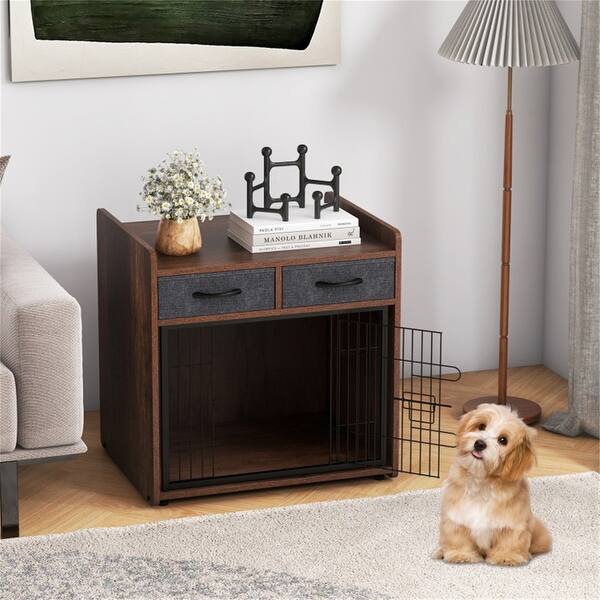
Choosing and Using a Dog Crate at Home
A dog crate can give your dog a comfortable place to rest and help make everyday routines easier. When introduced patiently and used appropriately, it can serve as a quiet retreat at home—not a punishment or a substitute for exercise, attention, and companionship.
How to Choose the Right Crate
Look for a crate that gives your dog enough room to stand up, turn around, and lie down comfortably. A crate that is too small can be uncomfortable, while one that is much larger than necessary may not feel like a cozy resting spot. If you have a growing puppy, consider an adjustable crate with a divider so the space can be changed as your dog grows.
Crates are commonly made of wire, plastic, or fabric. Wire crates often fold for storage and provide good airflow. Plastic crates can offer a more enclosed feel and are easy to clean. Fabric crates are lightweight and convenient for some calm, crate-trained dogs, but may not be suitable for dogs who chew, scratch, or try to escape. Choose a sturdy design that fits your dog’s size, temperament, and needs.
Make the Crate Comfortable
Place the crate in a comfortable area where your dog can relax and still feel connected to the household. Add a washable bed or blanket if your dog does not chew or swallow bedding. Keep the space free of items that could become choking hazards, especially when your dog is unattended. Check that the crate has secure latches, smooth edges, and adequate ventilation.
Every dog is different, so observe how your pet responds to the crate. Some dogs prefer a more open view of the room, while others settle better in a quieter spot. Avoid placing the crate in direct sunlight, near a heat source, or somewhere with uncomfortable drafts.
Introduce the Crate Gradually
Let your dog explore the crate at their own pace. Keep the door open at first and encourage curiosity with praise, treats, or a favorite toy. You can offer meals near the crate and gradually move the bowl inside as your dog becomes comfortable. Once your dog is willingly entering, practice closing the door for brief periods while you stay nearby, then slowly build up the time.
Keep early sessions calm and positive. If your dog shows signs of distress, take a step back and make the next session easier. Never force a dog into a crate or use it as punishment. Dogs with severe anxiety may need help from a veterinarian or a qualified, reward-based trainer.
Use the Crate Responsibly
A crate is not meant for long-term confinement. Dogs need regular opportunities to go to the bathroom, stretch, move around, and spend time with people. Puppies and senior dogs may need more frequent bathroom breaks, and every dog’s needs depend on age, health, and routine. If your schedule requires extended absences, arrange for a trusted person to provide care and a chance to move around.
Before crating your dog, make sure they have had an appropriate opportunity to exercise and relieve themselves. Keep water available when needed, particularly in warm conditions or for longer periods, and follow your veterinarian’s advice about your dog’s individual needs. Do not crate a dog in a hot or poorly ventilated area.
Keep the Crate Clean and Safe
Wash bedding regularly and clean the crate promptly after accidents. Check the crate from time to time for damage, loose parts, or chewing hazards. If your dog repeatedly tries to escape, injures themselves, or becomes very distressed, stop and seek professional guidance rather than relying on a stronger crate alone.
A Helpful Space, Not a Requirement
Many dogs enjoy having a familiar, private place to rest, but a crate is not right for every dog or every household. The goal is to create a safe and comfortable routine that suits your pet. With the right setup, patient introduction, and responsible use, a dog crate can become a welcome part of life at home.
Top 7 FAQs About Using Dog Crates at Home
- What is the correct crate size for my dog?
- Is it OK to leave dog in crate while at home?
- What can I use instead of a dog crate?
- Is leaving a dog in a crate all day cruel?
- Is it okay to crate a dog every night?
- Can I crate my dog overnight?
- Which brand of dog crates is considered the best?
What is the correct crate size for my dog?
Choose a crate that lets your dog stand up without crouching, turn around easily, and lie down comfortably with legs stretched out. Measure your dog from nose to the base of the tail and from the floor to the top of the head (or ears, if they stand upright), then compare those measurements with the crate’s interior dimensions. Since sizing varies by brand and breed, check the manufacturer’s guide, and consider an adjustable divider for a puppy so the crate can grow with them.
Is it OK to leave dog in crate while at home?
Yes, it can be OK to leave your dog in a crate for short periods while you’re at home, as long as your dog is comfortable there and has been introduced to the crate gradually. Use it as a safe resting space—not as punishment or a way to confine your dog for most of the day. Make sure your dog gets regular bathroom breaks, exercise, water as appropriate, and time with the family. If your dog shows signs of distress, such as persistent barking, panting, or attempts to escape, shorten the crate time and consult a veterinarian or qualified trainer.
What can I use instead of a dog crate?
If a dog crate isn’t the right fit, you can create a safe, comfortable space using a dog-proofed room, a sturdy exercise pen, or a gated area with a bed, water, and safe toys. Choose a spot where your dog has enough room to move around, and remove cords, medications, food, and anything they might chew or swallow. Introduce the area gradually and use positive reinforcement so it feels like a relaxing retreat. The best option depends on your dog’s age, behavior, and needs; puppies and dogs who are anxious or prone to chewing should be supervised and given regular breaks.
Is leaving a dog in a crate all day cruel?
Leaving a dog in a crate all day is generally not appropriate and may cause distress, discomfort, or unmet needs for exercise, bathroom breaks, and social interaction. Crates should be used for limited periods as a safe, comfortable resting space—not as a substitute for care or a way to confine a dog throughout the workday. How long a dog can comfortably stay crated depends on factors such as age, health, and training, but dogs need regular opportunities to move, relieve themselves, and connect with people. If you’ll be away for an extended period, arrange a dog walker, sitter, or other suitable care, and ask your veterinarian for guidance about your dog’s individual needs.
Is it okay to crate a dog every night?
For many crate-trained dogs, sleeping in a crate overnight can be okay if the crate is comfortable, appropriately sized, well ventilated, and a positive place to rest. Make sure your dog has a chance to exercise and go to the bathroom before bedtime, and provide bathroom breaks as needed—especially for puppies, senior dogs, or dogs with health concerns. A crate should never be used to punish a dog or keep them confined for excessive periods. If your dog shows ongoing distress or has trouble settling, try a gradual training approach and consult your veterinarian or a qualified trainer.
Can I crate my dog overnight?
Yes, many dogs can sleep in a crate overnight if they’ve been introduced to it gradually and are comfortable there. Choose a crate that lets your dog stand, turn around, and lie down naturally, and place it in a comfortable, well-ventilated area. Puppies, senior dogs, and dogs with medical needs may need overnight bathroom breaks, so adjust the routine to your dog’s age and needs. A crate should be a safe resting place, not a punishment or a way to confine your dog for longer than they can comfortably manage.
Which brand of dog crates is considered the best?
There isn’t one dog-crate brand that’s best for every dog, since the right choice depends on your dog’s size, temperament, and how you’ll use the crate. MidWest is often considered a dependable, budget-friendly option for wire crates, while Diggs is known for premium designs. Compare the specific model’s size, sturdiness, ventilation, ease of cleaning, and safety features, and check that it suits your dog’s needs.