
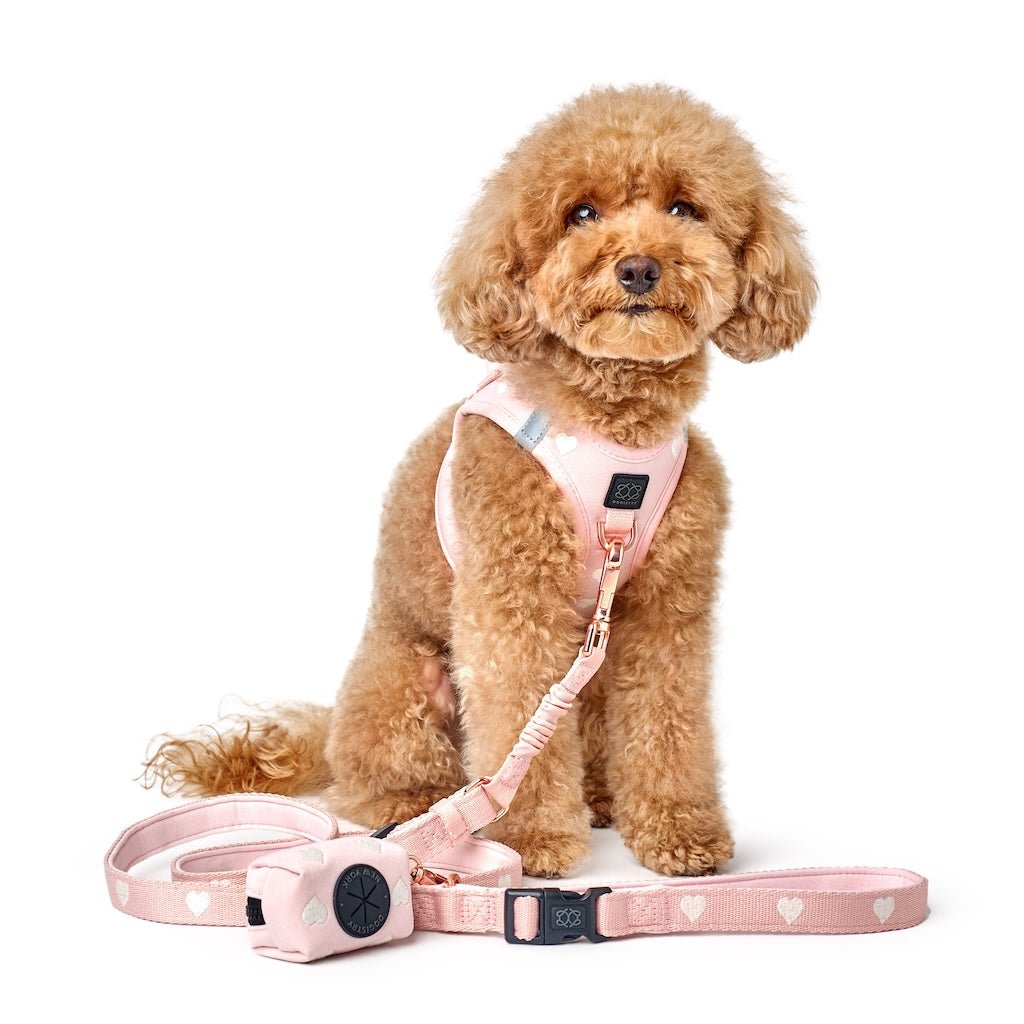
How to Choose the Right Dog Leash and Harness
A dog leash and harness can make walks more comfortable and manageable for both you and your dog. The right setup depends on your dog’s size, shape, walking habits, and training needs. A well-fitted harness can distribute leash pressure across the body, while a suitable leash gives you a reliable connection and enough control for your surroundings.
Why Use a Harness?
A harness fits around a dog’s chest and torso and attaches to a leash. Unlike a collar, which places pressure around the neck when a dog pulls, a harness can spread pressure over a broader area. This may be a more comfortable option for dogs that pull, have sensitive necks, or are still learning to walk politely on leash.
A harness does not automatically stop pulling. Dogs still need patient, consistent training, and the harness must fit properly to be comfortable and secure.
Common Types of Dog Harnesses
- Back-clip harness: The leash attaches to a ring on the dog’s back. This style is often simple to put on and can work well for calm walkers and many small dogs.
- Front-clip harness: The leash attaches at the chest. When a dog pulls, the front attachment can help redirect their movement. Use it alongside reward-based leash training.
- Dual-clip harness: This style has attachment points on both the chest and back. Some models allow either connection or use of a dual-ended leash.
- Step-in harness: A dog steps into the harness, which is then fastened around the body. This can be convenient for dogs that dislike having gear pulled over their heads.
- Vest-style harness: A wider, padded design may offer extra coverage. Check that the material does not rub, restrict movement, or become too warm for your dog.
How to Find the Right Fit
A harness should be snug enough that your dog cannot back out of it, but not so tight that it pinches or restricts movement. Follow the manufacturer’s sizing instructions and measure your dog rather than relying on weight alone. Many harnesses use measurements around the chest and neck.
After putting the harness on, check that:
- You can fit about two fingers between the straps and your dog’s body, unless the manufacturer recommends a different fit check.
- The straps do not rub behind the front legs or press into the throat.
- Your dog can walk, sit, and move their shoulders comfortably.
- Buckles and adjustment points stay in place during a walk.
- Your dog cannot slip backward out of the harness.
Recheck the fit as your dog grows or changes shape, and inspect the harness regularly for worn stitching, damaged buckles, or frayed straps.
Choosing a Dog Leash
The leash should match your dog’s size and walking environment. A standard fixed-length leash is a practical choice for everyday walks because it provides a consistent amount of control. Choose a comfortable handle and sturdy hardware that is suitable for your dog.
Consider the following options:
- Standard leash: A dependable choice for neighborhood walks, training, and busy areas.
- Long line: A longer leash can allow more room to explore in appropriate open spaces. Use it where permitted and keep it away from roads, cyclists, and other hazards.
- Hands-free leash: Designed to attach around the waist or across the body. It may suit some activities, but make sure you can maintain safe control of your dog.
- Retractable leash: This gives a dog more distance but can be difficult to manage in crowded places and may create hazards if the line tangles. Use it cautiously and follow the product’s instructions.
For most walks, a fixed-length leash offers a straightforward balance of control and freedom. Avoid attaching a leash to a harness point that the manufacturer does not designate for leash use.
Helping Your Dog Get Used to a Harness
Introduce a new harness gradually, especially if your dog is unsure about wearing gear. Let your dog sniff it, then reward calm interest with treats or praise. Put it on for short periods indoors and gradually build up to walks. Keep the experience positive, and do not force the harness if your dog becomes distressed.
Once your dog is comfortable, practice leash skills in a quiet area. Reward them for walking near you and for checking in. If they pull, pause or gently change direction rather than jerking the leash. Consistent, reward-based practice can help make walks more enjoyable over time.
Safety Tips for Walks
- Check that the harness is fastened and the leash is securely attached before leaving home.
- Use a leash in places where it is required or where it helps keep your dog safe.
- Keep your dog at a safe distance from traffic, unfamiliar animals, and situations that may cause stress.
- Choose reflective details or a light-up accessory for low-light walks.
- Do not leave a harness on an unattended dog if it could snag or become caught.
- Replace damaged gear promptly.
Frequently Asked Questions
Is a harness better than a collar?
It depends on the dog and the situation. A harness can distribute leash pressure across the body, while a collar may be suitable for dogs that walk calmly and are comfortable wearing one. Some owners use both a collar with identification tags and a harness for leash attachment.
Will a harness stop my dog from pulling?
A harness alone is unlikely to change pulling behavior. A front-clip design may help redirect a dog, but training and consistent handling are still important.
How tight should a dog harness be?
It should be secure without pinching or restricting movement. Use the manufacturer’s fit instructions, check for rubbing, and make sure your dog cannot back out of it.
Can a puppy wear a harness?
Many puppies can wear a properly sized harness, but they grow quickly and may need frequent fit checks or a new size. Introduce it gradually and supervise your puppy while they wear it.
Make Walks More Comfortable
The best dog leash and harness are the ones that fit securely, suit your dog’s needs, and feel comfortable to use. Take time to check the fit, introduce new gear gradually, and practice calm leash walking. With the right equipment and patient training, everyday walks can become a safer and more enjoyable part of life with your dog.
8 Dog Harness and Leash Tips for a Safe, Comfortable Walk
- Choose a harness that fits snugly without rubbing.
- Measure your dog before buying a harness.
- Check that you can fit two fingers under the straps.
- Attach the leash to the harness’s recommended ring.
- Use a front clip to help discourage pulling.
- Inspect buckles and stitching regularly.
- Introduce the harness gradually with treats.
- Keep your dog leashed near roads and crowds.
Choose a harness that fits snugly without rubbing.
Choose a harness that fits snugly without rubbing or restricting your dog’s movement. It should stay securely in place, but not pinch or press into the skin. Check that the straps don’t chafe behind the front legs, and adjust the fit as needed. A comfortable, well-fitted harness helps make walks safer and more enjoyable.
Measure your dog before buying a harness.
Measure your dog before buying a harness to help ensure a comfortable, secure fit. Use a soft measuring tape and follow the brand’s sizing guide, which commonly asks for measurements around the chest and neck. Don’t rely on weight or breed alone, since dogs of the same size can have different body shapes. A properly fitted harness should stay in place without rubbing, pinching, or restricting movement, so check the fit again after putting it on.
Check that you can fit two fingers under the straps.
When fitting your dog’s harness, check that you can slide two fingers comfortably under the straps. This simple test helps ensure the harness is snug enough to stay secure without pinching or rubbing. If it feels too tight, loosen the straps; if there’s too much room, adjust them so your dog can’t slip out. Always check the fit while your dog is standing naturally, and follow the harness manufacturer’s specific guidance.
Attach the leash to the harness’s recommended ring.
Attach the leash to the ring recommended by the harness manufacturer, since different attachment points are designed for different uses. Using the correct ring helps the harness work as intended and provides a secure connection during walks. Before heading out, check that the clip is fully closed and firmly attached.
Use a front clip to help discourage pulling.
A front-clip harness attaches the leash at your dog’s chest, which can gently redirect them toward you when they pull. It may make walks easier to manage, especially while your dog is learning to walk on a loose leash. Choose a properly fitted harness, introduce it gradually, and pair it with rewards for walking calmly—since the harness can help with control, but training is what teaches the habit.
Inspect buckles and stitching regularly.
Inspect your dog’s harness and leash regularly, paying close attention to buckles, clips, and stitching. Look for cracks, loose threads, fraying, or other signs of wear that could cause the gear to fail during a walk. Replace damaged equipment promptly, and make sure all fasteners are secure before heading out.
Introduce the harness gradually with treats.
Introduce your dog’s harness gradually to help them feel comfortable wearing it. Start by letting them sniff and explore the harness, rewarding calm behavior with treats and praise. Next, briefly place it on your dog without fastening it, then build up to fastening it for a few seconds at a time. Keep each step positive and unhurried, and gradually increase how long your dog wears the harness before going for a walk.
Keep your dog leashed near roads and crowds.
Keep your dog leashed near roads and crowded areas to help prevent sudden dashes, collisions, or unwanted encounters. Use a secure, well-fitted harness and a standard-length leash so you can guide your dog safely while leaving enough room to walk comfortably.
Related Posts

Unveiling the Enchanting World of Animal Diversity
The Wonders of the Animal Kingdom The Wonders of the…
Exploring the Great Outdoors: The Ultimate Guide to Hiking with Your Dog Backpack
The Benefits of Using a Hiking Dog Backpack The Benefits…
Enhance Your Sleep Space with a Cozy Dog Blanket for Your Bed
The Benefits of Using a Dog Blanket for Your Bed…