
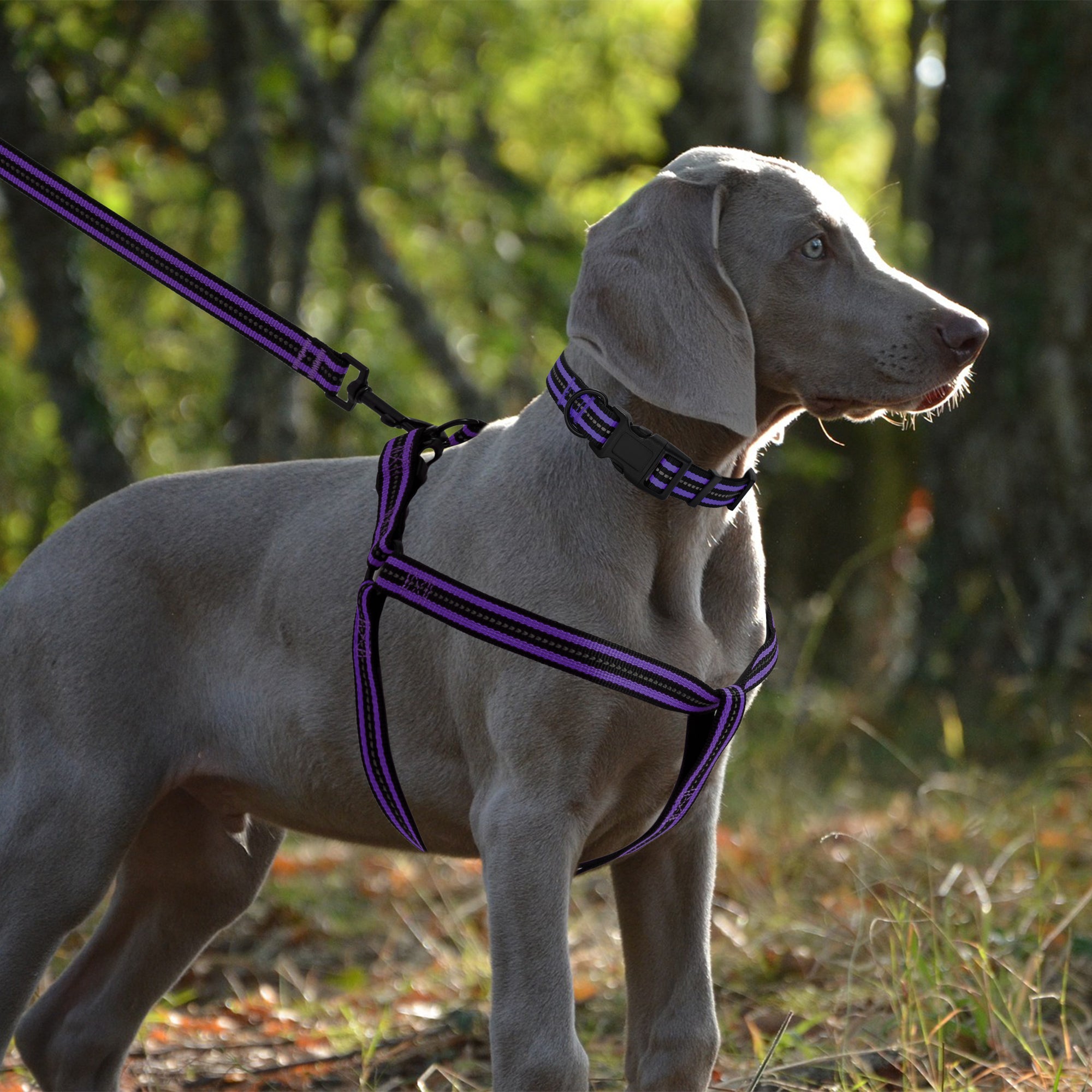
The Importance of Choosing the Right Dog Collar and Leash
When it comes to walking your furry friend, one of the most essential accessories you’ll need is a good dog collar and leash. Not only do they help keep your dog safe and secure, but they also provide a means of identification and control. Here’s why choosing the right collar and leash is crucial for both you and your canine companion:
Dog Collar:
A dog collar serves multiple purposes. It provides a place to attach identification tags, which are vital in case your dog gets lost. Additionally, a collar with a sturdy D-ring allows you to clip on a leash for walks or training sessions. When selecting a collar, consider your dog’s size, breed, and behavior. For example, larger breeds may require wider collars for better support, while smaller dogs might benefit from lightweight and adjustable options.
Dog Leash:
Leashes come in various materials such as nylon, leather, or chain. The length of the leash is also important; shorter leashes offer more control during walks, while longer ones provide freedom for exploration. Retractable leashes are popular for their adjustable length feature but may not be suitable for all dogs, especially those prone to pulling or running off.
Choosing the Right Fit:
Ensure that the collar fits comfortably around your dog’s neck without being too tight or too loose. You should be able to fit two fingers between the collar and your dog’s neck. For leashes, opt for a length that allows your dog some freedom of movement without compromising safety.
Safety First:
Always prioritize safety when using a collar and leash. Regularly check for signs of wear and tear on both items to prevent accidents or escapes. Avoid leaving collars on unsupervised dogs to prevent choking hazards.
Final Thoughts:
Your choice of dog collar and leash can significantly impact your daily walks with your furry companion. By selecting high-quality, well-fitting products that suit your dog’s needs, you can ensure both comfort and safety during outdoor adventures.
Remember, investing in the right collar and leash is an investment in your dog’s well-being!
Essential FAQs About Choosing the Right Dog Collar and Leash
- 1. What size collar should I get for my dog?
- 2. How do I measure my dog’s neck for a collar?
- 3. What material is best for a dog collar?
- 4. How long should a dog leash be?
- 5. What type of leash is best for training purposes?
- 6. How often should I replace my dog’s collar and leash?
- 7. Are there specific collars or leashes recommended for certain breeds?
1. What size collar should I get for my dog?
When determining the appropriate size collar for your dog, it is crucial to consider your dog’s breed, size, and neck measurements. A properly fitting collar should be snug enough to prevent slipping off but not too tight to restrict breathing or cause discomfort. To find the right size, measure your dog’s neck circumference and add a few inches for adjustment. Different breeds may require specific collar widths or styles for optimal comfort and security. Consulting with a veterinarian or professional dog trainer can also help guide you in selecting the perfect collar size for your furry companion.
2. How do I measure my dog’s neck for a collar?
To measure your dog’s neck for a collar, you will need a flexible measuring tape. Place the tape around the base of your dog’s neck, where the collar will sit. Make sure it is snug but not too tight. Take note of the measurement in inches or centimeters. It’s important to measure accurately to ensure a proper fit for your dog’s comfort and safety. If you’re unsure about sizing, consider consulting with a professional or referring to the manufacturer’s guidelines for sizing recommendations.
3. What material is best for a dog collar?
When considering the best material for a dog collar, it’s essential to prioritize both durability and comfort. Nylon is a popular choice for its strength and versatility, making it suitable for dogs of all sizes. Leather collars are known for their classic look and durability, molding to the dog’s neck over time. For those seeking a more eco-friendly option, hemp collars offer a sustainable choice that is also hypoallergenic. Ultimately, the best material for a dog collar depends on your dog’s individual needs and preferences, so consider factors such as breed, size, and activity level when making your selection.
4. How long should a dog leash be?
When determining the appropriate length for a dog leash, it’s essential to consider your dog’s size, behavior, and walking environment. In general, a standard leash length ranges from 4 to 8 feet, providing enough slack for comfortable walking while maintaining control. Smaller dogs may benefit from shorter leashes to keep them close by, while larger breeds might require longer leashes for more freedom of movement. Ultimately, the ideal leash length is one that allows your dog to explore safely while ensuring you can maintain control when needed.
5. What type of leash is best for training purposes?
When it comes to training your dog, a leash that offers control and responsiveness is essential. Many trainers recommend using a standard 6-foot leash made of durable nylon or leather for training purposes. This type of leash allows you to maintain close contact with your dog while providing enough freedom for movement during training exercises. The standard leash length ensures that you can effectively communicate with your dog and guide them through various commands and behaviors. Remember, consistency and positive reinforcement are key elements in successful training sessions with your canine companion.
6. How often should I replace my dog’s collar and leash?
When it comes to replacing your dog’s collar and leash, it’s important to assess their condition regularly. Factors such as wear and tear, fraying, or damage from chewing can impact the safety and effectiveness of these accessories. As a general guideline, consider replacing your dog’s collar and leash at least once a year or sooner if signs of deterioration are evident. Regularly inspecting and maintaining these items ensures that your furry friend stays secure and comfortable during walks and daily activities.
7. Are there specific collars or leashes recommended for certain breeds?
When it comes to choosing collars and leashes for your furry friend, considering your dog’s breed can be beneficial. Certain breeds may have unique characteristics or behaviors that could influence the type of collar or leash that is best suited for them. For example, larger breeds may require sturdier collars for added support, while smaller breeds might benefit from lightweight and adjustable options. Similarly, some breeds may respond better to specific leash styles based on their energy levels or tendencies during walks. It’s always a good idea to research breed-specific recommendations or consult with a professional to ensure you select the most suitable collar and leash for your canine companion.
Related Posts
The Enchanting Charm of the Toy Spaniel: A Beloved Companion
The Toy Spaniel: A Charming Companion The Toy Spaniel: A…
Enhance Your Pet’s Safety with the Garmin Dog Collar Technology
Garmin Dog Collar: A Reliable Tool for Keeping Your Pup…
The Great Pursuit: Unleashing Your Full Potential
The Beauty of Greatness The Beauty of Greatness Greatness is…