
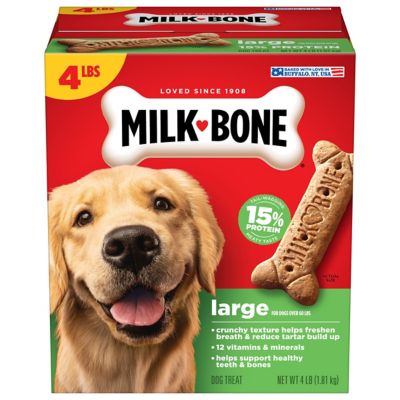
Best Dog Bones for Puppies: Safe Chews for Growing Dogs
Puppies love to chew. It helps them explore the world, stay occupied, and soothe sore gums as adult teeth come in. The right chew can be a useful addition to your puppy’s routine—but not every product labeled a “dog bone” is suitable for young dogs.
The best choice depends on your puppy’s age, size, chewing style, and health. No chew is completely risk-free, so supervise your puppy and check with your veterinarian if you’re unsure what’s appropriate.
What Makes a Good Puppy Chew?
Look for a chew that is:
- Appropriate for your puppy’s age and size: Follow the manufacturer’s age and weight guidance. A chew that is too small can be swallowed, while one that is too large or hard may be difficult to use safely.
- Soft enough for developing teeth: Very hard chews can crack or damage teeth. If you can’t make a slight impression in the chew with a fingernail, it may be too hard for your puppy.
- Made for dogs: Choose products from reputable manufacturers and review the ingredients, feeding directions, and safety information.
- Easy to monitor: Avoid chews that break into sharp pieces or become small enough to swallow.
Types of Chews to Consider
Soft Puppy Teething Chews
Chews specifically designed for puppies are often a good starting point. They’re made with young dogs in mind and may offer a gentler texture than adult chews. Use them only as directed, and replace them if they become damaged or small enough to swallow.
Durable Rubber Chew Toys
Some rubber toys can be filled with puppy-appropriate food or treats, giving your dog a safe-feeling way to chew and stay engaged. Choose a size that’s too large to swallow, and inspect it regularly for cracks, tears, or loose pieces.
Dental Chews Labeled for Puppies
Some dental chews are formulated for puppies, but age and size requirements vary. Check the label carefully and ask your veterinarian whether the product fits your puppy’s stage of development. Dental chews should complement—not replace—regular tooth care.
Vet-Approved Edible Chews
Some edible chews may be suitable for puppies, depending on their ingredients, texture, and your dog’s age and chewing habits. Introduce new foods gradually and account for their calories in your puppy’s daily diet. Stop using a chew if it causes stomach upset or your puppy tries to gulp large pieces.
Chews to Avoid or Use With Extra Caution
- Cooked bones: Cooked bones can splinter and cause choking or injury to the mouth and digestive tract.
- Very hard bones and antlers: These can damage or fracture teeth, especially in strong chewers.
- Small chews: Any chew that can fit entirely in your puppy’s mouth may pose a choking risk.
- Chews that splinter, shred, or soften into large chunks: These pieces may be swallowed and cause problems.
- Rawhide and unfamiliar animal-based chews: Digestibility and quality can vary. Ask your veterinarian before offering them, and supervise closely if approved.
How to Give Your Puppy a Chew Safely
- Choose a chew labeled for your puppy’s age and weight.
- Supervise every chewing session, especially when introducing something new.
- Take the chew away if it becomes small, damaged, or easy to swallow.
- Offer fresh water and limit chewing sessions according to the product directions.
- Watch for coughing, gagging, vomiting, diarrhea, or signs of mouth pain. Contact a veterinarian if you notice concerning symptoms.
So, What Are the Best Dog Bones for Puppies?
For many puppies, the best option is a puppy-specific chew or appropriately sized rubber chew toy with a texture that’s not excessively hard. The safest choice is one that suits your individual puppy, is used under supervision, and is replaced before it becomes damaged or small enough to swallow.
Because puppies grow quickly and their teeth are still developing, ask your veterinarian for recommendations at your puppy’s next checkup. A little care when choosing chews can help make chewing a more enjoyable—and safer—part of growing up.
6 Benefits of the Best Dog Bones for Puppies
- Soothes sore teething gums
- Keeps puppies happily occupied
- Encourages healthy chewing habits
- Puppy-specific options suit developing teeth
- Variety of sizes and textures available
- Supervised chewing can support enrichment
7 Drawbacks to Consider When Choosing the Best Dog Bones for Puppies
- Some chews can crack or damage a puppy’s teeth.
- Small pieces may create a choking risk.
- Hard bones and antlers can be too tough for developing teeth.
- Some edible chews may cause digestive upset.
- Puppies need close supervision while chewing.
- Chews can become unsafe as they wear down.
- The right chew depends on a puppy’s age, size, and chewing style.
Soothes sore teething gums
A puppy-appropriate chew can help soothe sore gums during teething by giving your puppy a safe, satisfying surface to gnaw on. The gentle pressure may ease discomfort and redirect chewing away from shoes, furniture, and other household items. Choose a size and texture made for your puppy’s age, and supervise chewing to make sure the bone stays intact and doesn’t become small enough to swallow.
Keeps puppies happily occupied
A puppy-safe chew can keep your puppy happily occupied, giving them a satisfying activity during quiet time or while you’re nearby getting things done. Chewing offers mental stimulation and can help channel your puppy’s natural urge to gnaw toward an appropriate item instead of shoes or furniture. Choose a chew suited to your puppy’s age and size, and supervise them while they enjoy it.
Encourages healthy chewing habits
Puppy-appropriate bones and chews can help encourage healthy chewing habits by giving your dog a suitable outlet for a natural behavior. When puppies have safe, appealing items to chew, they may be less likely to turn to shoes, furniture, or other household belongings. Choose a chew that matches your puppy’s age and size, and supervise chewing to make sure it stays safe.
Puppy-specific options suit developing teeth
Puppy-specific bones and chews are designed with a young dog’s developing teeth in mind. Compared with very hard chews intended for adult dogs, appropriately sized puppy options may offer a gentler texture for teething gums and growing teeth. Check the label for age and weight guidance, supervise your puppy while chewing, and ask your veterinarian if you’re unsure which option is suitable.
Variety of sizes and textures available
One of the advantages of puppy chews is the variety of sizes and textures available. This makes it easier to find an option suited to your puppy’s breed, age, and chewing style—from smaller, softer chews for young puppies to sturdier choices for growing dogs. Offering an appropriate texture can also keep chewing interesting, but always follow the product’s age and size guidance and supervise your puppy to help prevent choking or injury.
Supervised chewing can support enrichment
Supervised chewing can be a rewarding form of enrichment for puppies, giving them a safe, engaging activity that encourages natural chewing behavior. A suitable chew may help keep your puppy occupied and mentally stimulated, while your attention lets you step in if it becomes damaged or small enough to swallow.
Some chews can crack or damage a puppy’s teeth.
Some chews are too hard for a puppy’s developing teeth and can cause chips, cracks, or other dental injuries, especially when your puppy chews enthusiastically. Avoid very hard items, such as antlers and hard bones, and choose a puppy-appropriate chew with a softer texture. Supervise chewing and stop if you notice pain, bleeding, or a damaged tooth; contact your veterinarian for guidance.
Small pieces may create a choking risk.
Small pieces can pose a choking risk, especially if a puppy chews off a chunk and tries to swallow it whole. Choose a bone or chew that’s appropriately sized for your puppy, supervise chewing, and take it away once it becomes small enough to fit entirely in their mouth.
Hard bones and antlers can be too tough for developing teeth.
Hard bones and antlers may seem like long-lasting chews, but their tough texture can be too much for a puppy’s developing teeth. Chewing on them may cause painful chips or fractures, so choose a softer, puppy-appropriate chew instead. Supervise your puppy and ask your veterinarian if you’re unsure which options are safe.
Some edible chews may cause digestive upset.
Some edible chews may upset a puppy’s still-developing digestive system, especially if they’re introduced too quickly or eaten in large amounts. Your puppy may experience vomiting, diarrhea, gas, or reduced appetite. Introduce any new chew gradually, follow the feeding directions, and stop offering it if symptoms develop. Contact your veterinarian if symptoms are severe, persist, or your puppy seems unwell.
Puppies need close supervision while chewing.
Puppies need close supervision whenever they chew, which can make even a suitable dog bone less convenient for busy owners. A puppy may chew off and swallow a large piece, choke, or damage the chew until it becomes unsafe. Stay nearby, check the bone often, and take it away if it cracks, splinters, or becomes small enough to swallow.
Chews can become unsafe as they wear down.
Chews can become unsafe as puppies use them. A bone or chew that starts out the right size may wear down, break into pieces, or become small enough to swallow, creating a choking risk or potentially causing digestive problems. Check chews often while your puppy is using them, and take them away as soon as they’re damaged, splintering, or small enough to fit in your puppy’s mouth.
The right chew depends on a puppy’s age, size, and chewing style.
Choosing the right chew can be tricky because puppies vary in age, size, and chewing style. A bone that’s suitable for one puppy may be too hard for a younger dog, too small for a larger breed, or too easy to break apart for an enthusiastic chewer. Owners need to check product guidance carefully and supervise chewing, since the wrong choice may create a choking risk or damage developing teeth.
Related Posts
Choosing the Right Dog Leashes for Your Furry Companion
The Importance of Dog Leashes The Importance of Dog Leashes…
Rapawzel: The Enchanting Canine with a Fairy Tale Coat
Rapawzel: The Canine Rapunzel Rapawzel: The Canine Rapunzel Meet Rapawzel,…

Find Reliable Overnight Dog Sitters Near Me for Peace of Mind
Overnight Dog Sitters Near Me Overnight Dog Sitters Near Me…