
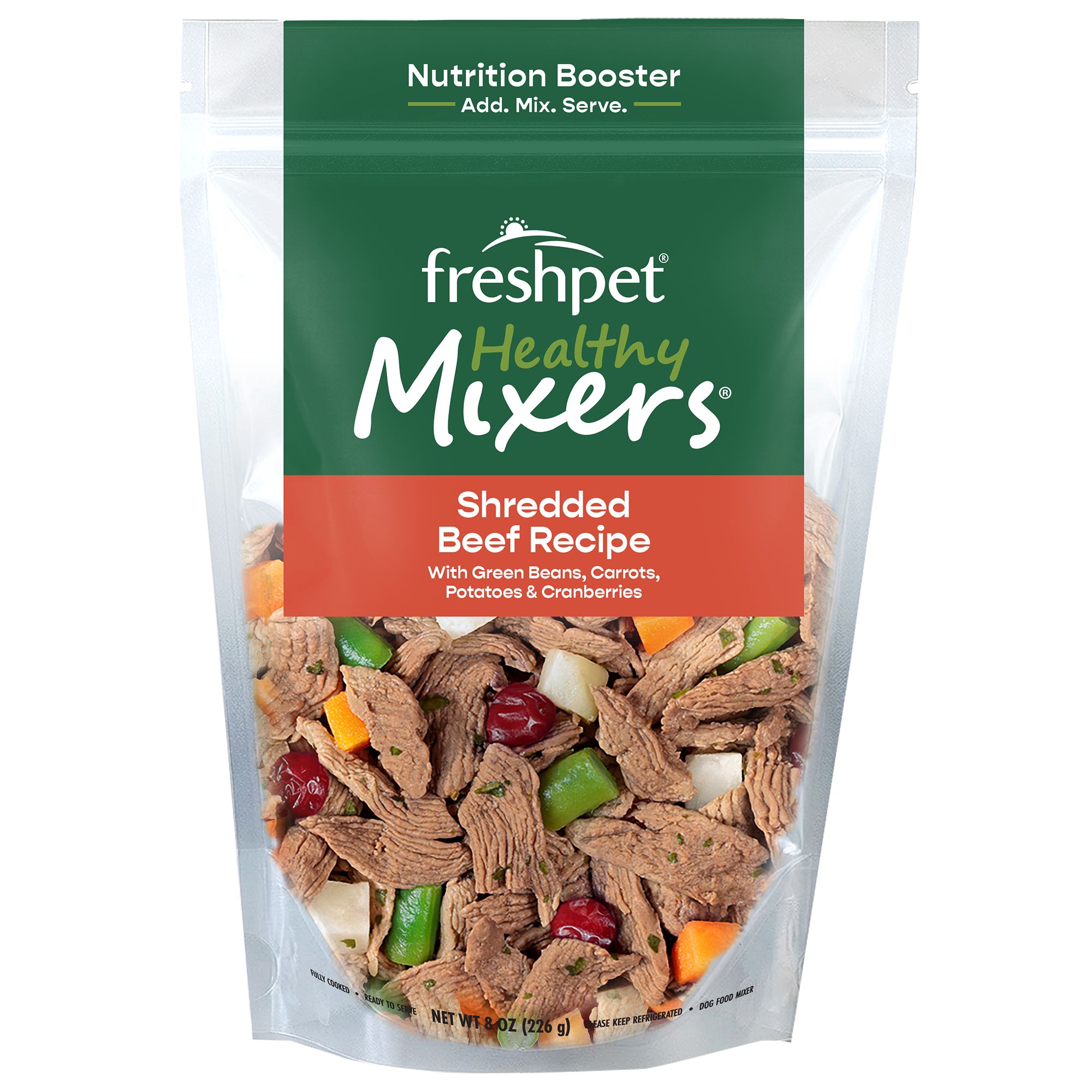
Fresh Dog Food Brands: What to Know Before You Choose
Fresh dog food has become a popular alternative to traditional kibble. These meals are generally made with recognizable ingredients, gently cooked, and refrigerated or frozen until serving. Many brands offer pre-portioned meals delivered to your home, making fresh food convenient for busy dog owners.
But “fresh” does not automatically mean “right for every dog.” Recipes, nutrition standards, prices, and feeding instructions vary from brand to brand. Here’s an overview of several fresh dog food brands in the United States and what to consider when comparing them.
Popular Fresh Dog Food Brands
The Farmer’s Dog
The Farmer’s Dog offers refrigerated, pre-portioned meals formulated around a dog’s profile, including details such as age, weight, and activity level. Its recipes are typically delivered frozen and thawed before serving. The subscription model can be convenient, though owners should check the current recipe options, portion sizes, and delivery schedule to see whether they suit their dog and budget.
Ollie
Ollie sells fresh meals in several protein varieties, with personalized feeding recommendations and recurring delivery. The company also offers other food formats, so shoppers should confirm which product they are choosing. As with any diet, review the recipe’s nutritional adequacy statement and follow the storage and serving directions.
JustFoodForDogs
JustFoodForDogs offers fresh, frozen meals as well as pantry-friendly options. It provides recipes intended for everyday feeding and has options that may be used under veterinary guidance for specific needs. If a dog has a medical condition, ask a veterinarian whether a particular recipe is appropriate before making a change.
Nom Nom
Nom Nom is known for individually portioned, cooked meals delivered frozen. Its recipes are designed for complete feeding, and the brand provides feeding guidance based on a dog’s profile. Availability, packaging, and product options may change, so check the company’s current information before ordering.
Spot & Tango
Spot & Tango offers fresh meals alongside its UnKibble product, a dry format made with whole-food ingredients. The distinction matters: shoppers looking specifically for refrigerated fresh food should make sure they select the fresh-meal line. Compare the feeding instructions and storage requirements for each format.
A Pup Above
A Pup Above sells cooked, frozen meals in a range of recipes. The company emphasizes its cooking process and ingredient sourcing. Owners can compare the brand’s recipes by protein, calorie content, and feeding guidance to find an option that fits their dog.
PetPlate
PetPlate offers prepared meals and other dog food products through its website. Some meals are delivered frozen, while product formats and availability can vary. Read the label closely to confirm whether a recipe is intended as a complete diet or as a topper or supplemental food.
How to Compare Fresh Dog Food
Look for a complete-and-balanced diet
For a food intended to be a dog’s main diet, look for a statement on the label indicating that it is complete and balanced for the appropriate life stage under the nutritional standards established by the Association of American Feed Control Officials (AAFCO). A topper or treat may not provide all the nutrients a dog needs as its sole food.
Consider your dog’s individual needs
Age, size, activity level, and health can all affect which food is suitable. Puppies, adults, and senior dogs may have different nutritional needs. Dogs with allergies, digestive issues, or medical conditions may require specific ingredients or a veterinary therapeutic diet. A veterinarian can help assess whether a fresh recipe is appropriate.
Compare calories and portions
Fresh foods contain more moisture than kibble, so a serving may look larger even when it provides a similar number of calories. Compare calories per serving or per unit of weight, and use the brand’s feeding guide as a starting point. Monitor your dog’s weight and body condition, then adjust portions with guidance from your veterinarian.
Check storage and handling instructions
Fresh meals usually require freezer or refrigerator space. Check how long meals can be stored frozen, how long thawed portions remain usable, and whether the packaging can be resealed. Handle pet food safely: wash hands and food bowls, keep raw or cooked food separate from human food, and follow the package instructions.
Think about cost and convenience
Fresh food can cost more than many dry foods, and the total price depends on your dog’s size, calorie needs, delivery frequency, and chosen recipes. Include shipping, storage, and any transition-period waste in your comparison. If a subscription is required, review its cancellation and delivery policies before signing up.
Transitioning to a Fresh Diet
Switch foods gradually rather than changing your dog’s diet all at once. A common approach is to mix a small amount of the new food with the current food, then increase the new food over several days. The ideal pace can vary, especially for dogs with sensitive stomachs. If your dog develops persistent vomiting, diarrhea, itching, or other concerning symptoms, stop the transition and contact a veterinarian.
Is Fresh Dog Food the Right Choice?
Fresh dog food may appeal to owners who want cooked meals made with recognizable ingredients and appreciate home delivery. It also requires attention to portioning, refrigeration, and cost. The best choice is not necessarily the newest or most heavily advertised brand—it is a nutritionally appropriate food that your dog tolerates, that fits your household routine, and that you can provide consistently.
Before choosing a brand, compare its nutritional statement, calorie information, ingredients, storage directions, and feeding instructions. When in doubt, bring the product label to your veterinarian for personalized advice.
Fresh Dog Food Brands: 7 FAQs on Quality, Cost, Delivery, and Feeding
- What are the best fresh dog food brands in the United States?
- How do I choose a fresh dog food brand for my dog?
- Are fresh dog food brands nutritionally complete and balanced?
- How much does fresh dog food cost compared with kibble?
- Are fresh dog food delivery subscriptions worth it?
- How should I store and serve fresh dog food?
- How do I transition my dog safely to a fresh food brand?
What are the best fresh dog food brands in the United States?
Some popular fresh dog food brands in the United States include The Farmer’s Dog, JustFoodForDogs, Ollie, Nom Nom, A Pup Above, and Spot & Tango. The best choice depends on your dog’s age, health, preferences, and nutritional needs, as well as your budget and storage space. Compare recipes, calorie information, feeding and storage instructions, and the label’s complete-and-balanced statement for your dog’s life stage. If your dog has a medical condition or special dietary needs, ask your veterinarian before switching foods.
How do I choose a fresh dog food brand for my dog?
Choose a fresh dog food brand that offers a complete-and-balanced recipe for your dog’s life stage and clearly lists its nutritional information, ingredients, calories, and storage instructions. Consider your dog’s age, size, activity level, health needs, and any food sensitivities, and compare portion sizes, delivery options, and cost. If your dog has a medical condition or you’re unsure which recipe is appropriate, ask your veterinarian for guidance. Transition to the new food gradually and monitor how your dog responds.
Are fresh dog food brands nutritionally complete and balanced?
Many fresh dog food brands offer recipes formulated to be complete and balanced, but this isn’t true of every product. Check the label for a nutritional adequacy statement showing that the food meets AAFCO nutrient profiles for your dog’s life stage, or that feeding trials support its adequacy. Toppers and treats may not provide all the nutrients needed as a dog’s main diet. If your dog is a puppy, has a medical condition, or needs a specialized diet, ask your veterinarian before switching foods.
How much does fresh dog food cost compared with kibble?
Fresh dog food typically costs more than kibble, though the price varies based on your dog’s size, daily calorie needs, brand, and delivery plan. Kibble is often more budget-friendly and easier to store, while fresh meals may require refrigeration or freezer space and can cost substantially more per day. To compare fairly, look at the cost of feeding your dog for a month—not just the price per package—and check whether shipping, add-ons, or subscription fees apply.
Are fresh dog food delivery subscriptions worth it?
Fresh dog food delivery subscriptions can be worth it if you value convenience, pre-portioned meals, and regular deliveries that reduce trips to the store. The cost may be higher than kibble, and you’ll need room in your freezer or refrigerator, so compare the price per day, shipping fees, delivery schedule, and cancellation terms before signing up. Check that the food is complete and balanced for your dog’s life stage, and ask your veterinarian whether it fits your dog’s needs.
How should I store and serve fresh dog food?
Store fresh dog food according to the package directions, keeping unopened portions frozen or refrigerated as instructed. Thaw frozen meals in the refrigerator, not on the counter, and use thawed food within the time stated by the brand. Serve the recommended portion in a clean bowl; avoid leaving food out longer than the label allows, and refrigerate or discard leftovers as directed. Wash your hands, bowls, and food-preparation surfaces after handling, and check the packaging for product-specific storage and serving guidance.
How do I transition my dog safely to a fresh food brand?
Transition your dog to a fresh food brand gradually, typically over 7–10 days, to give their digestive system time to adjust. Start by mixing a small amount of the new food with their current food, then slowly increase the fresh food while decreasing the old food. Follow the brand’s transition instructions, and adjust the pace if your dog has a sensitive stomach. Monitor for changes such as vomiting, diarrhea, or loss of appetite; if symptoms persist or concern you, contact your veterinarian before continuing.
Related Posts

Choosing the Best: Pro Plan Puppy Food for Your Growing Pup
Article: Pro Plan Puppy Food The Benefits of Pro Plan…

Indulge Your Pup with True Chews Dog Treats: Delicious and Nutritious Rewards!
The Delicious and Nutritious True Chews Dog Treats When it…
Enhance Your Pup’s Style with Premium Leather Dog Collars
Premium Leather Dog Collars The Elegance and Durability of Premium…