
Rope Dog Collars: Style, Comfort, and What to Know Before You Buy
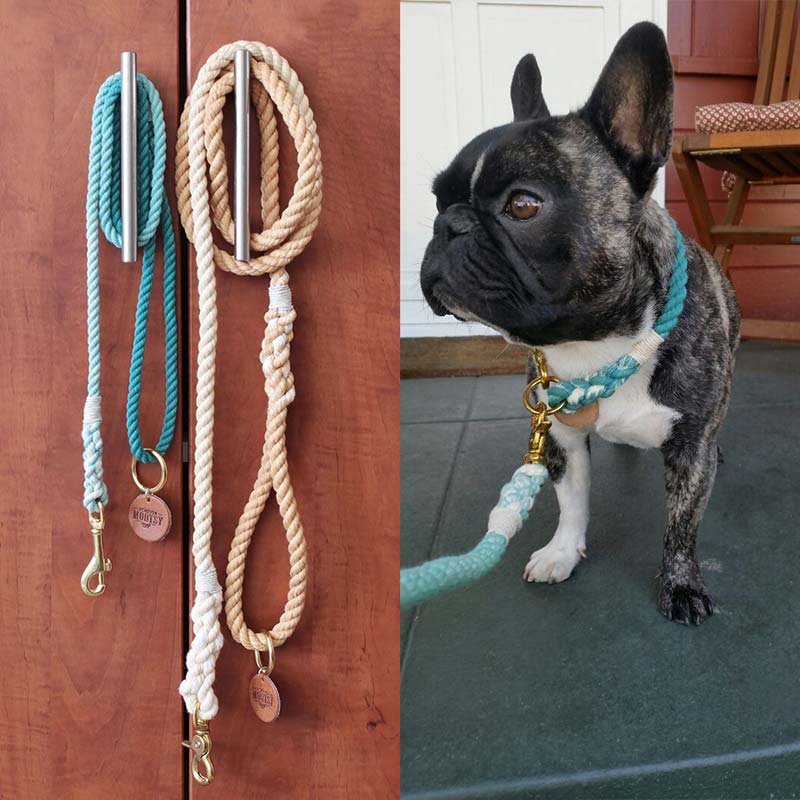
Rope dog collars combine a distinctive, outdoorsy look with a simple design. They’re commonly made from braided or twisted rope and may feature metal or plastic hardware. With many colors, widths, and styles available, a rope collar can be a practical everyday accessory—provided it fits your dog and is made for the way you plan to use it.
What Is a Rope Dog Collar?
A rope dog collar is a neck collar made partly or entirely from rope-like material, such as nylon or cotton. Some designs use rope for the collar band, while others incorporate rope details alongside webbing, leather, or other materials. Most have a buckle or clasp, an adjustable section, and a ring for attaching a leash or ID tags.
Rope collars are not the same as slip leads or choke collars. A standard rope collar should fit around the neck without tightening when the leash is pulled. Always check how a particular product works before using it.
Potential Benefits
- Distinctive appearance: Braided textures and a range of colors make rope collars a popular choice for dogs with an individual style.
- Lightweight feel: Some rope designs are relatively light and flexible, which may suit dogs that dislike bulky accessories.
- Everyday versatility: Many are designed to hold ID tags and connect to a leash for ordinary walks.
- Easy to coordinate: Matching rope leashes are often available for a coordinated look.
Comfort and durability vary by material, construction, and hardware. A rope collar is not automatically softer, stronger, or more comfortable than other collar styles.
How to Choose the Right Rope Collar
Measure your dog’s neck
Use a flexible measuring tape to measure around the middle of your dog’s neck, where the collar will sit. Follow the manufacturer’s sizing guide rather than relying only on breed or weight. The collar should be snug but not tight; you should generally be able to fit two fingers between the collar and your dog’s neck, while still ensuring the collar cannot slip over the head.
Check the width and construction
Choose a width that suits your dog’s size and build. Inspect the stitching, braiding, seams, and connection points, especially where the leash ring attaches. Hardware should feel secure and be appropriate for your dog’s strength and activity level.
Consider the material
Nylon rope is often chosen for its color options and quick-drying qualities, while cotton rope may have a softer, more natural feel. Materials differ in how they handle moisture, dirt, abrasion, and repeated washing. Check the product label for cleaning instructions and any material limitations.
Think about your dog’s needs
A rope collar may not be the best fit for every dog. Dogs that pull hard, have sensitive skin, or are prone to slipping out of collars may need a different design or additional equipment, such as a well-fitted harness. Ask a veterinarian or qualified trainer for guidance if you’re unsure what is appropriate.
Safety and Fit Tips
- Check the fit regularly, especially for puppies and growing dogs.
- Inspect the rope, seams, buckle, and leash ring for fraying, looseness, or damage.
- Remove a damaged collar and replace it before using it on a walk.
- Make sure ID tags are attached securely and remain readable.
- Do not leave a collar on a dog unattended if it could catch on a crate, fence, or other object. Follow the collar maker’s guidance and use extra caution during play.
- Use a collar and leash only as intended. A regular rope collar should not be used as a tie-out or as a device for correcting pulling.
Cleaning and Care
Dirt and moisture can collect in rope fibers and around hardware. Follow the manufacturer’s care instructions. If hand washing is permitted, use mild soap and water, rinse thoroughly, and let the collar dry completely before putting it back on your dog. Avoid harsh cleaners or high heat unless the maker specifically says they are safe.
After walks in mud, salt, or water, check the collar for debris and wear. Regular inspection helps you spot damage before it becomes a safety concern.
Are Rope Dog Collars Right for Your Dog?
A rope dog collar can be a comfortable-looking and stylish option for everyday wear when it fits properly, is made with suitable materials, and is kept in good condition. The most important factors are fit, secure construction, and using the collar appropriately. Choosing a collar that meets your dog’s individual needs matters more than choosing one for appearance alone.
6 Tips for Choosing and Safely Using a Rope Dog Collar
- Choose a rope collar sized for a comfortable, snug fit.
- Leave room for two fingers between the collar and your dog’s neck.
- Check seams, knots, and hardware regularly for wear.
- Remove the collar if it becomes frayed or damaged.
- Supervise your dog to prevent the rope from snagging.
- Use a harness instead if your dog pulls hard on walks.
Choose a rope collar sized for a comfortable, snug fit.
Choose a rope collar that fits comfortably and snugly around your dog’s neck. Measure your dog and compare the result with the manufacturer’s sizing guide, since sizes can vary between brands. The collar should be secure without pinching or restricting movement; as a general check, you should be able to slide two fingers between the collar and your dog’s neck without the collar slipping over their head.
Leave room for two fingers between the collar and your dog’s neck.
When fitting a rope dog collar, leave enough space to slide two fingers between the collar and your dog’s neck. This helps keep the collar comfortably snug without being too tight. Check the fit regularly, especially as your dog grows or if their weight changes, and make sure the collar can’t slip over their head.
Check seams, knots, and hardware regularly for wear.
Regularly inspect your dog’s rope collar for frayed seams, loose or unraveling knots, and worn or damaged hardware. Pay special attention to the leash ring, buckle, and any points where the rope connects to metal or plastic parts. If you notice damage, replace the collar before using it again to help prevent it from breaking during a walk.
Remove the collar if it becomes frayed or damaged.
Check your dog’s rope collar regularly for fraying, loose stitching, or damaged hardware. If you notice any wear, remove the collar and replace it before your next walk. A damaged collar may fail unexpectedly, so don’t rely on it to keep your dog safely connected to a leash.
Supervise your dog to prevent the rope from snagging.
Supervise your dog while they’re wearing a rope collar, especially during play or around fences, crates, and branches. The rope can snag on nearby objects, potentially causing injury or trapping your dog. Remove the collar when your dog is unsupervised if there’s a risk it could get caught.
Use a harness instead if your dog pulls hard on walks.
If your dog pulls hard on walks, consider using a well-fitted harness instead of attaching the leash to a rope collar. A harness distributes leash pressure across the body rather than concentrating it around the neck, which may make walks more comfortable. Choose a design that fits securely, and ask a veterinarian or qualified trainer for advice if you’re unsure which style is right for your dog.
Related Posts
Comprehensive Guide to Dog Care: Ensuring Your Canine Companion’s Well-Being
The Importance of Dog Care: Ensuring a Happy and Healthy…

Essential Tips for Optimal Pet Care: Ensuring the Health and Happiness of Your Furry Friends
The Importance of Pet Care The Importance of Pet Care…

Delicious and Nutritious: Healthy Snacks for Dogs to Enjoy
Healthy Snacks for Dogs The Best Healthy Snacks for Your…