
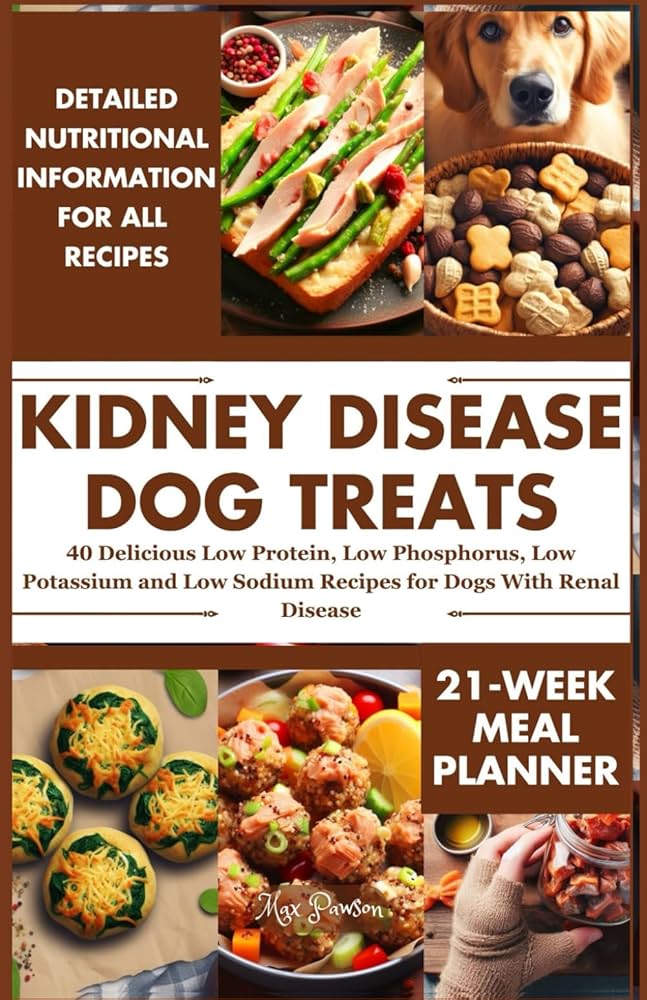
The Benefits of Low Protein Dog Food
Dogs, like humans, require a balanced diet to stay healthy and active. One important aspect of their diet is protein intake. While protein is essential for dogs’ growth and development, there are instances where low protein dog food may be beneficial.
When is Low Protein Dog Food Necessary?
Low protein dog food is often recommended for dogs with certain health conditions such as kidney disease or liver issues. These conditions can make it difficult for the dog’s body to process high levels of protein effectively. In such cases, switching to a low protein diet can help reduce the strain on the organs and improve the dog’s overall well-being.
The Importance of Quality Ingredients
When selecting low protein dog food, it’s crucial to choose products made from high-quality ingredients. Look for options that still provide essential nutrients like vitamins, minerals, and amino acids despite having reduced protein content. Consult with your veterinarian to ensure you are selecting a balanced diet that meets your dog’s specific nutritional needs.
Benefits of Low Protein Dog Food
- Supports Organ Function: By reducing the amount of protein in your dog’s diet, you can help ease the workload on their kidneys and liver, especially if they have pre-existing conditions.
- Weight Management: Low protein dog food can be beneficial for dogs that need to manage their weight or have certain dietary restrictions.
- Digestive Health: Some dogs may have sensitivities to high-protein diets, and switching to a low protein option can improve their digestive health.
- Maintains Muscle Mass: Despite lower protein levels, quality low protein dog food can still support your dog’s muscle health and overall vitality.
Consult Your Veterinarian
Prior to making any significant changes to your dog’s diet, it is essential to consult with your veterinarian. They can provide guidance on whether a low protein diet is suitable for your dog’s specific health needs and recommend the best course of action.
7 Benefits of Low Protein Dog Food: Supporting Health and Vitality
- Supports organ function in dogs with kidney or liver issues
- Helps manage weight for dogs needing to control their calorie intake
- Improves digestive health, especially for dogs with sensitivities to high-protein diets
- May reduce the risk of certain health conditions related to excessive protein consumption
- Can be beneficial for senior dogs with lower protein requirements
- Maintains muscle mass and overall vitality despite reduced protein levels
- Offers a balanced diet option for dogs with specific dietary restrictions
6 Drawbacks of Low Protein Dog Food: From Nutrient Deficiencies to Digestive Issues
- 1. Reduced muscle support
- 2. Potential nutrient deficiencies
- 3. Limited energy levels
- 4. Digestive issues
- 5. Unsuitable for active dogs
- 6. Taste preferences
Supports organ function in dogs with kidney or liver issues
Supporting organ function in dogs with kidney or liver issues is a crucial benefit of low protein dog food. By reducing the protein intake in their diet, these specialized foods help alleviate the strain on the kidneys and liver, which may struggle to process high levels of protein efficiently. This dietary adjustment can contribute to improved overall health and well-being for dogs with these specific health conditions, allowing their organs to function more effectively and promoting a better quality of life.
Helps manage weight for dogs needing to control their calorie intake
Low protein dog food can be a valuable tool in helping dogs manage their weight by controlling their calorie intake. For dogs that require weight management or have specific dietary restrictions, opting for a low protein diet can support their efforts to achieve and maintain a healthy weight. By providing balanced nutrition with lower protein levels, this type of dog food allows pet owners to monitor and regulate their canine companions’ caloric intake more effectively, promoting overall well-being and optimal weight control.
Improves digestive health, especially for dogs with sensitivities to high-protein diets
Low protein dog food can significantly benefit dogs with sensitivities to high-protein diets by improving their digestive health. By reducing the protein content in their diet, these dogs are less likely to experience digestive issues or discomfort. Switching to a low protein option can help alleviate gastrointestinal distress and promote better overall digestive function, ensuring that sensitive dogs can enjoy their meals without adverse reactions.
May reduce the risk of certain health conditions related to excessive protein consumption
Low protein dog food may reduce the risk of certain health conditions related to excessive protein consumption in dogs. By providing a diet with controlled protein levels, pet owners can help prevent potential issues such as kidney strain and liver complications that can arise from an overabundance of protein in the diet. Choosing a balanced low protein dog food can contribute to maintaining optimal health and well-being for our canine companions.
Can be beneficial for senior dogs with lower protein requirements
Low protein dog food can be particularly beneficial for senior dogs with lower protein requirements. As dogs age, their metabolism and activity levels tend to decrease, resulting in reduced protein needs. Switching to a low protein diet tailored for senior dogs can help prevent excess strain on their kidneys and liver while still providing essential nutrients to support their overall health and well-being. By adjusting their diet to meet their changing nutritional needs, senior dogs can maintain optimal health and vitality in their golden years.
Maintains muscle mass and overall vitality despite reduced protein levels
One significant advantage of low protein dog food is its ability to maintain muscle mass and overall vitality in dogs, even with reduced protein levels. Quality low protein diets are formulated to provide essential nutrients that support muscle health and energy levels, ensuring that dogs can stay active and healthy while managing their protein intake. This benefit makes low protein dog food a valuable option for maintaining a balanced diet tailored to the specific needs of dogs with certain health conditions or dietary requirements.
Offers a balanced diet option for dogs with specific dietary restrictions
For dogs with specific dietary restrictions, low protein dog food offers a balanced diet option that can cater to their unique needs. By providing a controlled amount of protein, this type of food ensures that these dogs receive the necessary nutrients while accommodating their dietary limitations. Whether due to health conditions or sensitivities, opting for low protein dog food can help maintain their overall health and well-being without compromising on essential nutrition.
1. Reduced muscle support
Low protein dog food poses a con in terms of reduced muscle support for dogs. Insufficient protein levels in their diet can hinder the optimal development and maintenance of muscles. Protein is crucial for muscle growth, strength, and repair, so a diet lacking in adequate protein content may lead to weakened muscles over time. It is important to ensure that your dog’s diet provides enough protein to support their muscle health and overall well-being.
2. Potential nutrient deficiencies
Insufficient protein intake in low protein dog food can pose a significant con due to the potential risk of nutrient deficiencies. Dogs require essential amino acids and other vital nutrients that are commonly found in protein sources for their overall health and well-being. When a dog’s diet lacks sufficient protein, they may not receive an adequate amount of these essential nutrients, which can lead to various health issues and deficiencies. It is crucial to carefully monitor and ensure that any low protein diet for dogs is supplemented with the necessary nutrients to prevent any deficiencies from arising.
3. Limited energy levels
Dogs may experience reduced energy levels on a low protein diet, impacting their activity and vitality. Protein is a crucial source of energy for dogs, and when their intake is limited, they may not have the necessary fuel to sustain high activity levels. This can lead to decreased stamina, lethargy, and overall reduced enthusiasm for physical activities. It’s important to monitor your dog’s energy levels closely when transitioning to a low protein diet and consider alternative ways to ensure they maintain adequate energy for their daily needs.
4. Digestive issues
Some dogs may experience digestive issues when consuming certain low protein formulations. Due to the reduced protein content, some dogs may have difficulty digesting these types of food, which can result in gastrointestinal upset. It is important for pet owners to monitor their dog’s response to low protein dog food and consult with a veterinarian if any digestive issues arise to ensure their furry companion’s health and well-being.
5. Unsuitable for active dogs
For active dogs with high energy levels or specific performance requirements, a diet low in protein may not be suitable. Protein is essential for muscle development, energy production, and overall physical performance in active dogs. Restricting protein intake can hinder their ability to maintain muscle mass, repair tissues after exercise, and meet the increased energy demands of their active lifestyle. For these dogs, a balanced diet with adequate protein levels is crucial to support their athletic endeavors and ensure optimal health and performance.
6. Taste preferences
Dogs accustomed to higher protein diets may face a challenge with low protein dog food due to taste preferences. The difference in flavor and texture between high and low protein options can impact a dog’s enthusiasm for their meals, potentially leading to a decrease in appetite. Ensuring that the transition to low protein food is gradual and offering variety in flavors may help address this con and encourage dogs to continue enjoying their meals despite the change in protein content.
Related Posts
The Benefits of Raw Bones for Dogs: A Guide to Dental Health and Nutritional Value
Article: Raw Bones for Dogs The Benefits of Raw Bones…

Wholesome Homemade Dog Treats: Healthy Delights for Your Pup
Healthy Homemade Treats for Dogs The Benefits of Homemade Dog…

Exploring the Benefits of Venison Dog Food for Your Furry Companion
The Benefits of Venison Dog Food The Benefits of Venison…