
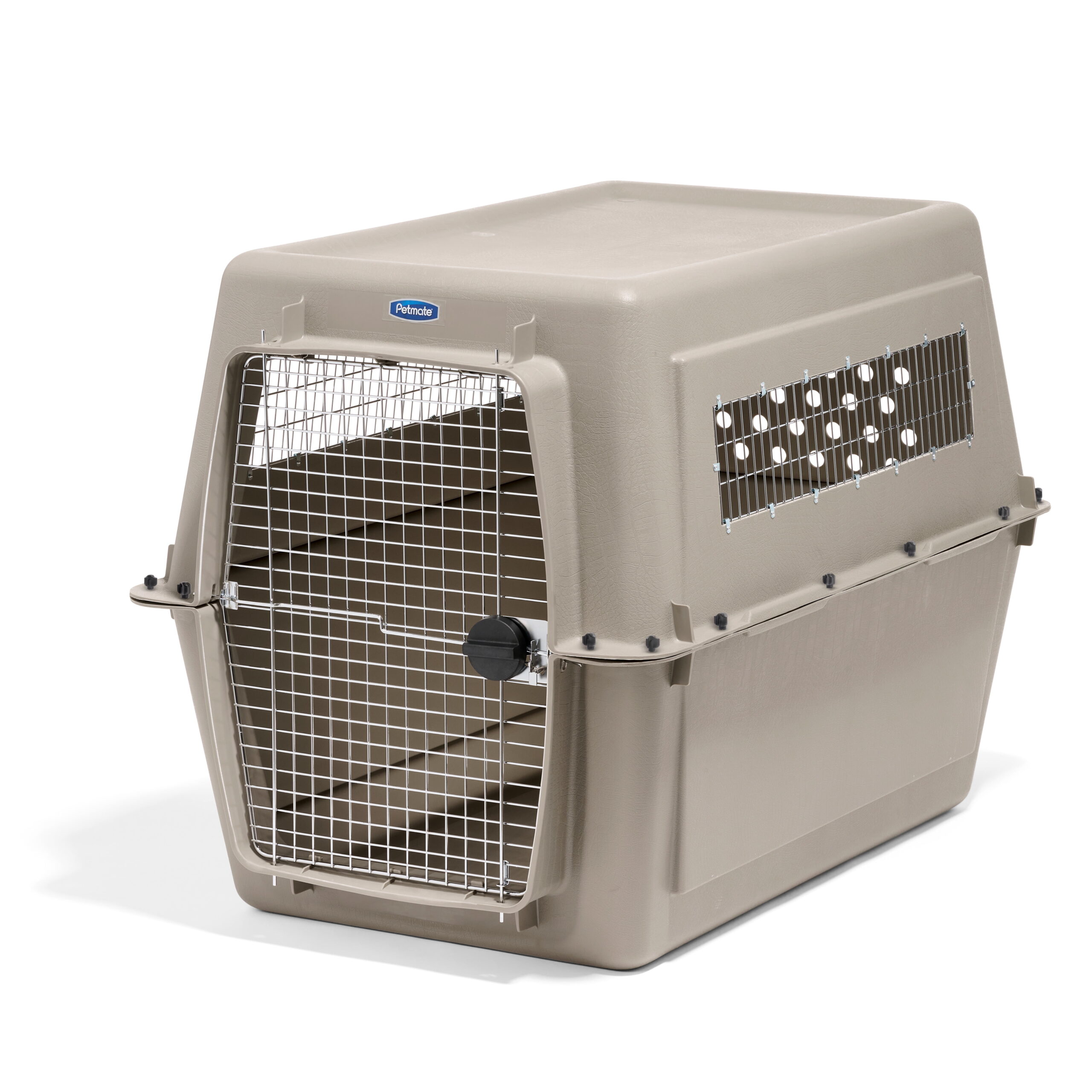
How to Choose a Large Dog Carrier
A large dog carrier can make trips to the vet, road travel, and other outings more manageable. The right carrier gives your dog enough room to rest comfortably while making it easier for you to transport them safely. Because “large” can mean very different things from one product to another, choose a carrier based on your dog’s measurements, weight, temperament, and the way you plan to use it.
Measure Your Dog Before You Shop
Start by measuring your dog while they are standing naturally. Measure from the tip of the nose to the base of the tail, then from the floor to the top of the head or ears, whichever is higher. Compare those measurements with the carrier’s interior dimensions—not just its exterior size.
Your dog should be able to stand, turn around, and lie down in a natural position. Check the manufacturer’s weight limit as well, but don’t rely on weight alone: two dogs with the same weight may need very different amounts of space. If your dog is between sizes, look for the carrier’s specific fit guidance and consider how much room your dog needs to move comfortably.
Choose a Carrier for the Intended Use
- Soft-sided carriers: Often lightweight and easy to store, but they may not be suitable for dogs who chew, scratch, or push against the sides.
- Hard-sided carriers: Provide a structured enclosure and are generally easier to wipe clean. Check that the door and latches feel secure.
- Rolling carriers: Wheels and a handle can help with transporting a heavy carrier, but they may be awkward on stairs or uneven ground.
- Foldable crates: Useful for travel and temporary containment, though they may be less convenient to carry than a traditional carrier.
- Backpack-style carriers: These are usually designed for smaller pets. Verify the product’s dimensions and weight rating carefully before considering one for a large dog.
Not every carrier is appropriate for every kind of trip. For air travel, check the airline’s current rules before buying; requirements vary, and many large dogs cannot travel in the cabin. For car travel, use a carrier that can be secured in the vehicle and follow the manufacturer’s instructions. A regular carrier is not automatically a crash-tested car restraint.
Look for Comfort and Practical Details
Good ventilation helps keep your dog comfortable, while a sturdy floor and a washable or removable liner make cleanup easier. Inspect the zippers, seams, handles, and closures, especially if your dog is strong or tends to test boundaries. A wide opening can make it easier for your dog to enter, and multiple access points may be helpful in tight spaces.
For a large dog, carrying comfort matters too. Consider the carrier’s empty weight, grip, and balance when your dog is inside. Handles or wheels can help, but make sure they feel stable and are rated for the combined load. If the loaded carrier would be difficult to lift safely, choose a different transport option.
Help Your Dog Get Used to the Carrier
Introduce the carrier gradually rather than waiting until the day of a trip. Set it up at home with the door open and place familiar bedding or treats inside. Let your dog explore at their own pace, then practice short sessions with the door closed. Gradually increase the time and, if appropriate, practice brief trips. Keep the experience calm and positive, and never leave your dog unattended in a carrier in an unsafe or hot environment.
Make the Choice That Fits Your Dog
The best large dog carrier is one that fits your dog, suits your travel plans, and is manageable for you to use. Measure carefully, confirm weight and size limits, check construction and ventilation, and review any travel rules that apply. A comfortable, well-fitted carrier—and a dog who has had time to get familiar with it—can make outings easier for both of you.
8 Essential Tips for Choosing the Right Large Dog Carrier
- Measure your dog before choosing a carrier.
- Check the carrier’s weight limit.
- Choose sturdy, chew-resistant materials.
- Look for secure, easy-to-use latches.
- Ensure good ventilation on all sides.
- Pick a size that lets your dog stand and turn.
- Use a washable liner for easy cleanup.
- Secure the carrier during car travel.
Measure your dog before choosing a carrier.
Measure your dog before choosing a large dog carrier to make sure there’s enough room for them to stand, turn around, and lie down comfortably. Measure from the nose to the base of the tail and from the floor to the top of the head or ears, then compare those measurements with the carrier’s interior dimensions. Check the carrier’s weight limit, too, since a dog’s weight alone doesn’t determine how much space they need.
Check the carrier’s weight limit.
Check the carrier’s weight limit before you buy, and compare it with your dog’s current weight. A carrier that’s overloaded may be harder to handle and its seams, handles, or frame may not hold up safely. If your dog is close to the maximum, consider a sturdier option with a higher weight rating, and check the manufacturer’s guidance for use and transport.
Choose sturdy, chew-resistant materials.
Choose a large dog carrier made from sturdy, chew-resistant materials, especially if your dog tends to chew or scratch when anxious. Reinforced fabric, durable mesh, strong seams, and secure zippers can help the carrier hold up to regular use and reduce the risk of your dog damaging an opening. No carrier is completely chew-proof, so check it regularly for wear and choose a design suited to your dog’s behavior.
Look for secure, easy-to-use latches.
Choose a large dog carrier with secure, easy-to-use latches that stay firmly closed during travel but are simple for you to operate. Check that the door locks into place and that your dog can’t nudge, paw, or chew the latches open. Test them before each trip, and avoid mechanisms that stick or require excessive force—especially if you need to open the carrier quickly.
Ensure good ventilation on all sides.
Choose a large dog carrier with ventilation openings on all sides to support steady airflow and help your dog stay comfortable. Before each trip, make sure the vents aren’t blocked by bedding, luggage, or nearby surfaces, and keep the carrier out of direct sun and away from excessive heat.
Pick a size that lets your dog stand and turn.
Choose a large dog carrier with enough interior space for your dog to stand naturally, turn around, and lie down comfortably. Measure your dog before shopping, and compare those measurements with the carrier’s interior dimensions, since weight limits alone don’t guarantee a good fit.
Use a washable liner for easy cleanup.
Choose a large dog carrier with a washable liner to make cleanup quick and simple. Muddy paws, shed fur, and occasional accidents are easier to manage when you can remove the liner and wash it according to the care instructions. Keeping a clean liner in the carrier also helps your dog travel in a more comfortable, fresh space.
Secure the carrier during car travel.
Secure the carrier during car travel to help keep it from sliding, tipping, or becoming a hazard if you stop suddenly. Follow the carrier and vehicle manufacturers’ instructions for proper placement and restraint, and make sure the carrier is stable before setting off. Never place it where it could interfere with the driver or block an airbag.
Related Posts

Best Dental Treats for Dogs: How to Choose a Safe, Effective Chew
Best Dental Treats for Dogs: What to Look For Dental…

Hill’s i/d Dog Food: Nourishing Canine Digestive Health
Hill's i/d Dog Food: A Solution for Canine Digestive Health…
Enhance Your Pet’s Freedom with a Convenient Doggy Door Installation
The Convenience of a Doggy Door The Convenience of a…