
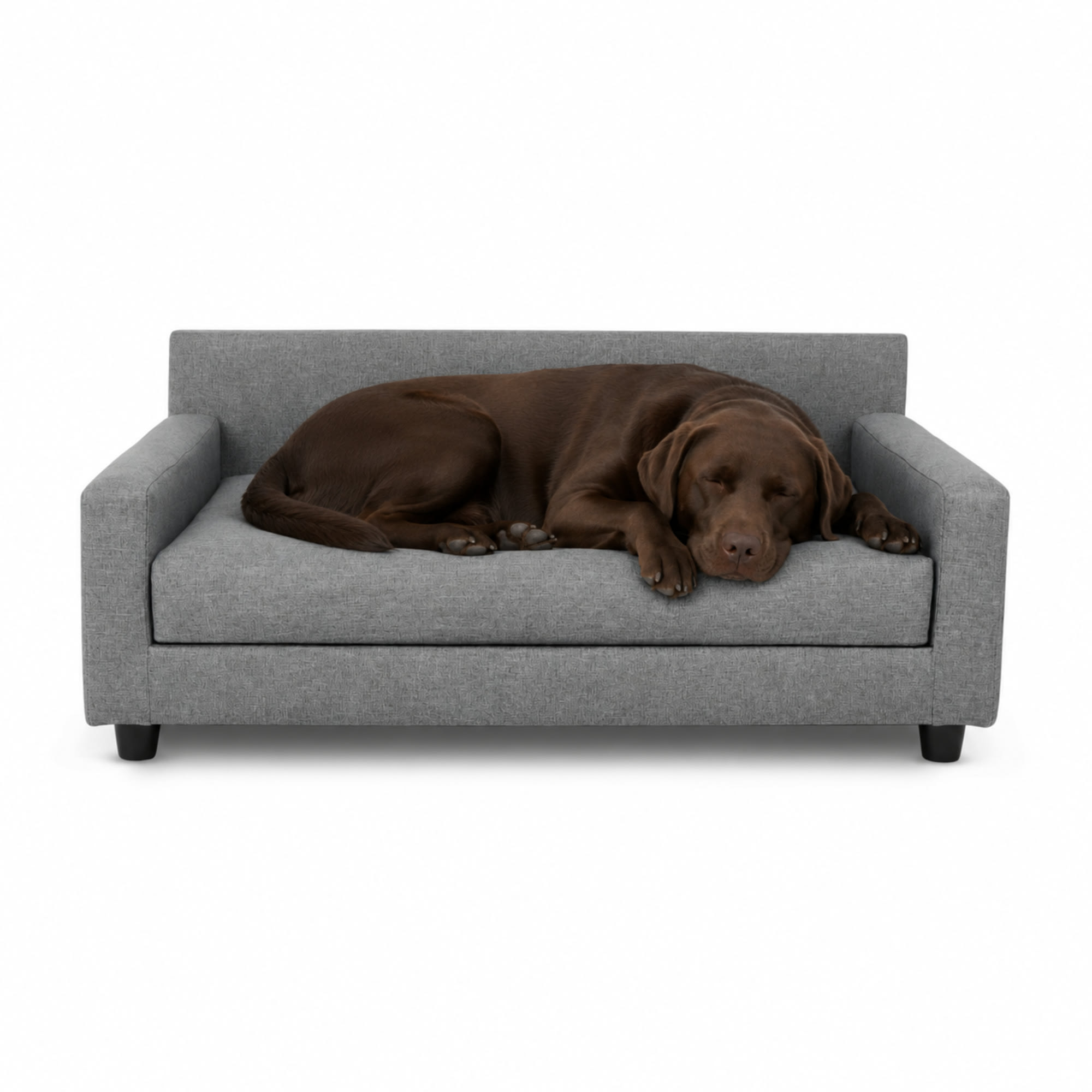
How to Choose the Best Orthopedic Dog Bed
The best orthopedic dog bed gives your dog a comfortable place to rest while providing steady support for their body. It can be especially helpful for senior dogs, large breeds, and dogs with stiff or sensitive joints—but a supportive bed can benefit dogs of many ages and sizes.
There’s no single bed that’s best for every dog. The right choice depends on your dog’s size, sleeping style, mobility, and preferences, as well as where the bed will be used. Here’s what to look for before you buy.
What Makes a Dog Bed Orthopedic?
“Orthopedic” dog beds are designed to provide more substantial support than many standard cushioned beds. They often use dense foam that conforms to a dog’s body and helps distribute pressure more evenly. Memory foam is a common option, while other beds use supportive foam or a combination of materials.
The label alone doesn’t guarantee quality. Check the bed’s construction, foam details, and care instructions, and choose a size and shape that suit your dog.
Key Features to Look For
Supportive, resilient foam
A good bed should feel supportive rather than quickly flattening under your dog’s weight. Look for a substantial foam base and clear information about the materials used. If the foam is described as layered, check whether the supportive layer extends across the full sleeping surface.
The right size and thickness
Your dog should be able to stretch out without hanging over the edges. Measure your dog while they’re lying in their usual sleeping position, then compare those measurements with the bed’s interior dimensions. A thicker bed may be more comfortable for a large or heavy dog, but the ideal thickness also depends on the foam’s density and construction.
A shape that matches your dog’s sleeping style
- For dogs who stretch out: Choose a roomy rectangular mattress.
- For dogs who curl up: Consider a round or oval bed, or one with raised sides.
- For dogs who like a headrest: A bolster-style bed can provide a place to rest their head, though it may have less usable sleeping space.
- For dogs who move around: A flat mattress with plenty of room may be easier to get on and off.
A removable, washable cover
Dog beds collect fur, dirt, and odors over time. A removable cover that can be machine-washed makes routine cleaning much easier. Check the care label before washing, and confirm whether the foam itself can be cleaned or should only be spot-treated.
A non-slip bottom
A grippy underside can help keep the bed in place on smooth floors. This may be useful for dogs who have trouble with footing or who tend to step onto the bed quickly.
Durable materials
If your dog chews, scratches, or digs at bedding, look for durable fabric and strong seams. No bed is guaranteed to withstand destructive chewing, so supervise your dog and replace damaged bedding that could become a safety risk.
Choosing a Bed for Senior Dogs
Older dogs may appreciate a supportive surface that’s easy to access. Consider a low-profile design with a stable base if your dog has difficulty stepping over tall sides. A bolster can feel cozy, but make sure it doesn’t block your dog from getting in and out comfortably.
If your dog has joint pain, mobility changes, or trouble getting comfortable, talk with your veterinarian. A bed can support restful downtime, but it does not diagnose or treat an underlying health condition.
Choosing a Bed for Large or Heavy Dogs
Large dogs put more weight on a bed, so support and durability matter. Check the bed’s dimensions and construction rather than relying on a size label alone. A generous sleeping area and a sturdy foam base can help prevent the bed from feeling cramped or compressing too quickly.
Common Mistakes to Avoid
- Buying by breed or weight alone: Dogs of the same breed can have different sleeping habits and body shapes. Measure your dog and review the interior dimensions.
- Assuming “orthopedic” means high quality: Look for specific information about the foam, cover, and construction.
- Choosing a bed that’s too small: A dog should be able to lie in their preferred position without spilling over the edges.
- Ignoring cleaning instructions: A washable cover is useful, but washing it incorrectly can cause shrinking or damage.
- Overlooking your dog’s preferences: Some dogs prefer a firm, flat mattress; others like soft surfaces or raised edges.
How to Help Your Dog Adjust to a New Bed
Place the bed somewhere your dog already likes to rest. Adding a familiar blanket or toy can make it more inviting. Give your dog time to explore the new bed at their own pace, and reward them when they choose to settle on it. Avoid forcing them to use it—some dogs need a little time to get used to a different texture or shape.
Final Thoughts
The best orthopedic dog bed is one that fits your dog properly, offers dependable support, and is easy to keep clean. Start with your dog’s measurements and sleeping habits, then compare the bed’s foam, design, cover, and care instructions. With the right fit, your dog can have a comfortable, supportive place to rest every day.
9 Essential Tips for Choosing the Best Orthopedic Dog Bed
- Choose supportive memory foam or high-density foam.
- Match bed size to your dog’s sleeping style.
- Look for pressure relief for older dogs or sore joints.
- Pick a washable, removable cover.
- Check that the foam stays supportive over time.
- Consider a waterproof liner for accidents.
- Choose a non-slip base for hard floors.
- Select a shape with bolsters if your dog likes to nest.
- Read reviews for durability and easy cleaning.
Choose supportive memory foam or high-density foam.
Choose a dog bed made with supportive memory foam or high-density foam to help cushion your dog’s body and distribute weight more evenly. The foam should hold its shape under your dog’s weight rather than flattening quickly, especially for larger or heavier dogs. Check the product details for information about the foam’s construction, and consider your dog’s size and sleeping style when choosing the bed’s thickness.
Match bed size to your dog’s sleeping style.
Choose a bed size based on how your dog actually sleeps, not just their breed or weight. Measure them while they’re stretched out if they like to sprawl, and make sure the bed has enough room for them to change positions comfortably. Dogs who curl up may prefer a round or oval bed, while dogs who stretch out often do better on a roomy rectangular mattress. If you’re between sizes, the larger option usually gives your dog more freedom to get comfortable.
Look for pressure relief for older dogs or sore joints.
For older dogs or dogs with sore joints, look for a bed designed to cushion pressure points and distribute weight evenly. Supportive foam, such as well-constructed memory foam, may help your dog rest more comfortably, but the bed should still feel stable and supportive rather than sagging. Choose a size that lets your dog stretch out, and ask your veterinarian for guidance if your dog’s discomfort or mobility changes.
Pick a washable, removable cover.
Choose an orthopedic dog bed with a removable, washable cover to make everyday cleanup easier. Dog beds can collect fur, dirt, and odors, so a cover that’s simple to take off and machine-wash helps keep your dog’s resting spot fresh. Before washing, check the care label for instructions to avoid shrinking or damaging the fabric.
Check that the foam stays supportive over time.
Choose an orthopedic dog bed with foam that holds its shape and support over time, rather than flattening quickly under your dog’s weight. Check the product details for information about foam density, thickness, and construction, and read customer reviews for comments about long-term durability. Regularly inspect the bed for sagging or uneven spots, since worn-out foam may no longer provide the support your dog needs.
Consider a waterproof liner for accidents.
Consider adding a waterproof liner to protect the bed’s foam from accidents, spills, drool, and moisture. Foam can be difficult to clean thoroughly and may retain odors, while a liner helps keep it dry and can extend the bed’s useful life. Choose a breathable, quiet liner that fits securely beneath the removable cover, and check the care instructions to make sure it’s easy to clean.
Choose a non-slip base for hard floors.
Choose an orthopedic dog bed with a non-slip base if it will sit on hardwood, tile, or another smooth floor. The grippy underside helps keep the bed from sliding when your dog climbs on or off, making it feel more stable underfoot. This can be especially helpful for senior dogs or dogs with mobility challenges.
Select a shape with bolsters if your dog likes to nest.
If your dog likes to curl up or nest before settling down, choose an orthopedic bed with bolstered sides. The raised edges can create a cozy, enclosed feel and give your dog a comfortable place to rest their head. Just make sure the sleeping area is roomy enough for them to stretch out when they want.
Read reviews for durability and easy cleaning.
Before choosing an orthopedic dog bed, read customer reviews for real-world feedback on durability and cleaning. Look for comments about whether the foam keeps its shape over time, whether seams and fabric hold up to everyday use, and whether the removable cover is easy to wash and put back on. Reviews from owners with dogs similar in size and habits to yours can help you find a bed that stays supportive and is simple to maintain.
Related Posts

Ultimate Guide to K9 Dog Boarding: Ensuring a Home Away from Home for Your Canine Companion
K9 Dog Boarding: A Home Away from Home for Your…

Elevate Your Pup’s Style with Trendy Dog Accessories
Dog Accessories: Enhancing Your Canine Companion's Lifestyle Dog Accessories: Enhancing…
Elevate Your Canine’s Style with Premium Dog Accessories
Premium Dog Accessories The Ultimate Guide to Premium Dog Accessories…