
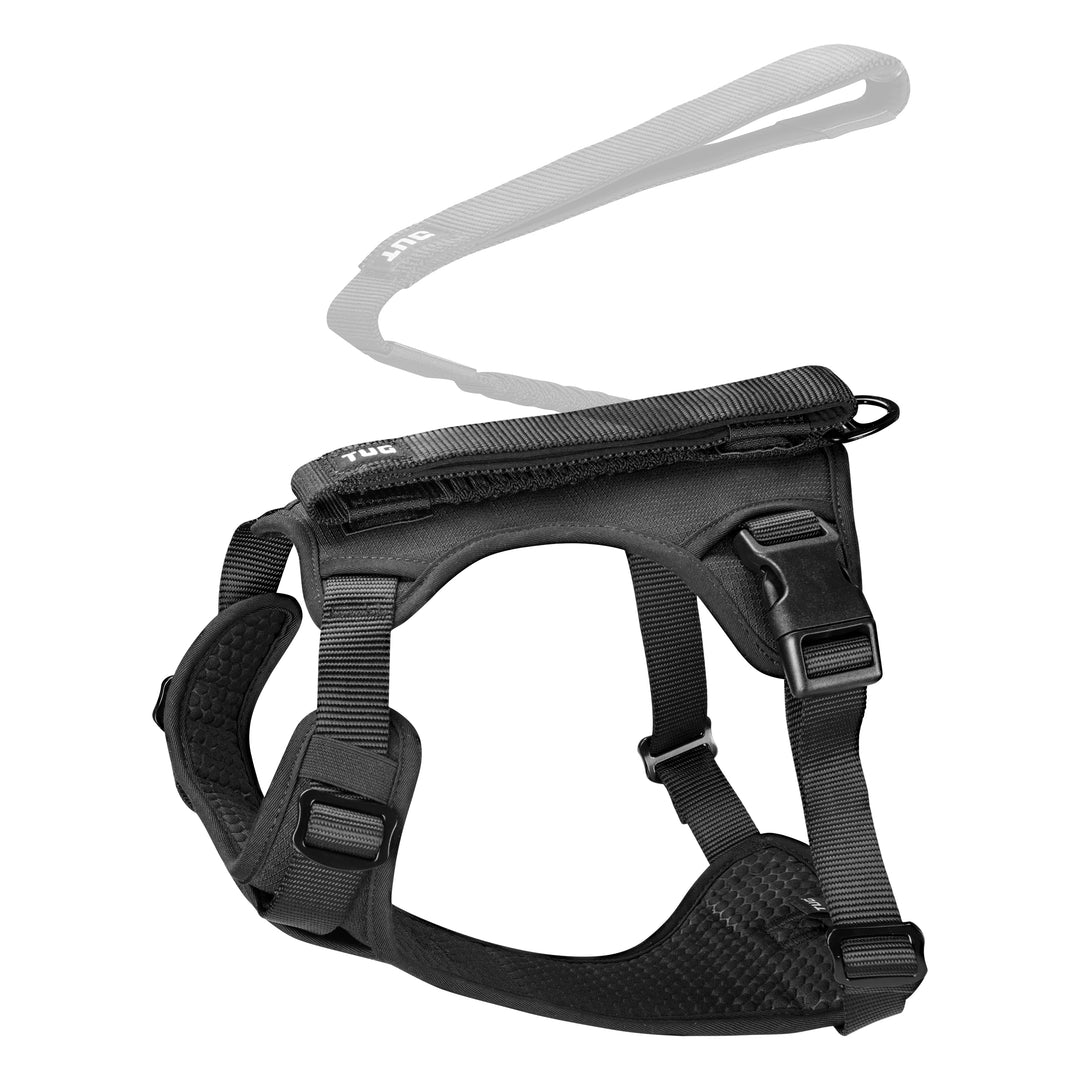
Dog Straps: How to Choose the Right One for Your Dog
A dog strap can refer to several useful accessories, including a leash, a harness strap, a collar strap, or a seat-belt restraint. The right option depends on where and how you plan to use it. A well-fitted, sturdy strap can make walks and travel more comfortable, while helping you keep your dog secure.
Common Types of Dog Straps
Leash Straps
A leash connects to your dog’s collar or harness and gives you control during walks. Standard leashes are often about 4 to 6 feet long, while longer training lines give dogs more room to explore in appropriate settings. Hands-free and traffic leashes may include extra features for particular activities.
Harness Straps
Harnesses use straps that fit around a dog’s chest and torso. They can distribute pressure across the body rather than placing it all on the neck. Harness styles vary, so look for one that fits securely without rubbing or restricting movement.
Car Restraint Straps
A dog car restraint attaches to a vehicle’s seat-belt system or another approved anchor point. It can help limit your dog’s movement while traveling. Choose a restraint designed for your vehicle and dog, and follow the manufacturer’s instructions. A restraint should not be attached to a collar if sudden braking could put pressure on your dog’s neck.
How to Choose a Dog Strap
- Check the size: Follow the product’s measuring guide. A strap should be secure but not tight, and you should be able to fit a couple of fingers beneath a collar or harness.
- Consider the material: Nylon is lightweight and easy to clean, while leather may soften with use. Reflective details can improve visibility in low light.
- Inspect the hardware: Look for sturdy stitching, reliable clips, and hardware suited to your dog’s size and strength.
- Match it to the activity: A short leash may work well in busy areas, while a long line may be useful for supervised training in open spaces.
- Think about comfort: Padded handles, adjustable straps, and smooth edges can make daily use more comfortable.
Safety and Care
Check your dog’s strap regularly for fraying, loose stitching, cracks, or damaged clips. Replace worn equipment before it fails. Make sure clips are fully attached before heading out, and supervise your dog when introducing a new strap. For puppies or dogs that are still growing, check the fit often.
For car travel, use a restraint as part of a safe travel setup and keep your dog away from the driver. No strap replaces attentive supervision or a properly secured carrier when one is more appropriate for your dog.
Finding the Best Fit
The best dog strap is one that suits your dog’s size, behavior, and daily routine. Measure carefully, choose durable materials, and check the fit whenever you use it. With the right strap and regular inspections, you can help make walks, training, and travel safer and more comfortable for your dog.
Dog Straps and Harnesses: 7 FAQs About Comfort, Safety, and Control
- What is the best harness for dogs that don’t like wearing them?
- What dog harness do vets recommend?
- What is a strap used to control a dog?
- Are no-pull harnesses safe?
- What is the strap used to walk a dog?
- What is a strap that can help my dog walk?
- Are strap harnesses good for dogs?
What is the best harness for dogs that don’t like wearing them?
For a dog that dislikes wearing a harness, look for a lightweight, soft, adjustable style that’s easy to put on without pulling it over the head—such as a step-in harness with a simple buckle. Choose a comfortable fit that doesn’t rub or restrict movement, and introduce it gradually: let your dog sniff it, reward calm interactions, then practice wearing it for a few seconds at a time before taking a short walk. No harness suits every dog, so if your dog shows persistent fear or discomfort, stop and ask your veterinarian or a qualified trainer for guidance.
What dog harness do vets recommend?
Veterinarians generally recommend a well-fitting, comfortable harness that distributes pressure across the chest rather than the throat, especially for dogs that pull or have breathing or neck concerns. A Y-shaped or front-clip harness may be a good option, but the best style depends on your dog’s size, health, behavior, and walking needs. Look for adjustable straps that don’t rub or restrict movement, and ask your veterinarian for a personalized recommendation if your dog has a medical condition or trouble walking on leash.
What is a strap used to control a dog?
A strap used to control a dog is usually called a leash. It attaches to a dog’s collar or harness and allows the handler to guide and restrain the dog during walks or in public places. Leashes come in different lengths and materials, so choose one that feels comfortable, is sturdy enough for your dog, and suits the setting.
Are no-pull harnesses safe?
No-pull harnesses can be safe when they fit properly and are used gently, without jerking or yanking your dog. Some designs attach the leash at the chest to help redirect pulling, but a poor fit may rub, restrict movement, or put uncomfortable pressure on your dog. Check the fit regularly, especially for growing dogs, and watch for signs of discomfort. If your dog has breathing, mobility, or other health concerns—or continues pulling—ask your veterinarian or a qualified, force-free trainer for guidance.
What is the strap used to walk a dog?
The strap used to walk a dog is called a leash. It attaches to a dog’s collar or harness and lets you guide and keep your dog close during walks. Leashes come in different lengths and materials, so choose one that feels comfortable to hold and is sturdy enough for your dog.
What is a strap that can help my dog walk?
A dog leash is the strap that helps you guide and control your dog during walks. It clips to a collar or harness, and a standard 4- to 6-foot leash is a practical choice for everyday outings. Choose a comfortable, durable leash that suits your dog’s size, and attach it to a well-fitted harness or collar.
Are strap harnesses good for dogs?
Yes, strap harnesses can be a good choice for many dogs when they fit properly. They distribute pressure across the chest and body instead of concentrating it on the neck, which may be more comfortable for dogs that pull or have sensitive airways. Choose a harness that stays secure without rubbing or restricting movement, and check the fit regularly—especially for growing dogs. Since every dog is different, consult your veterinarian if your dog has mobility, breathing, or other health concerns.
Related Posts

Ensuring Peace of Mind: The Benefits of Professional Dog Sitting Services
The Benefits of Dog Sitting Services The Benefits of Dog…

Ultimate Guide to Dog Collars, Harnesses, and Leashes: Choosing the Best Gear for Your Pup
The Importance of Dog Collars, Harnesses, and Leashes The Importance…

Find the Perfect Private Dog Daycare Near Me for Your Furry Friend
Private Dog Daycare Near Me Private Dog Daycare Near Me:…