
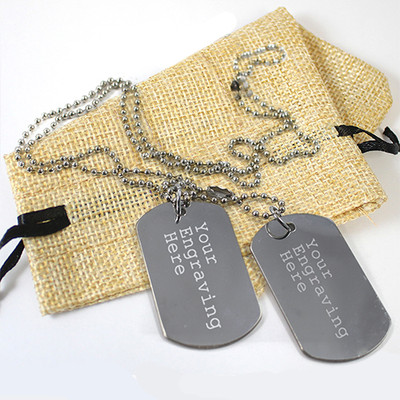
Engraved Dog Tags: A Simple Way to Help Your Dog Get Home
Dogs are curious by nature. A gate left open, a sudden noise, or an unexpected dash after a squirrel can turn an ordinary outing into a stressful search. An engraved dog tag gives people who find your dog a quick way to contact you—and may help your companion get home sooner.
Why Choose an Engraved Dog Tag?
A microchip can provide permanent identification, but someone needs a scanner to read it. A dog tag makes essential contact information visible at a glance. It’s a practical everyday accessory for walks, trips, and time spent outside.
For the best protection, use both a tag and a registered microchip. They serve different purposes: the tag offers immediate contact details, while a microchip can help identify your dog if the collar or tag is lost.
What Information Should Go on a Dog Tag?
Space is limited, so focus on details that help someone reach you quickly. Consider including:
- Your dog’s name
- Your phone number, including the area code
- A second phone number, if space allows
- A brief note such as “I’m microchipped” or “Needs medication,” when relevant
Your phone number is usually the most useful information. A home address is optional; many pet owners prefer to leave it off for privacy. If you move or change numbers, update the engraving as soon as possible.
Choosing a Material and Shape
Dog tags come in materials such as stainless steel, aluminum, and brass. Stainless steel is a popular choice because it is durable and resistant to rust. Aluminum is lightweight, while brass offers a classic look. The right option depends on your dog’s size, activity level, and comfort.
Choose a tag that is easy to read and not too heavy for your dog. Rounded edges can help reduce snagging, and a sturdy attachment ring can help keep the tag secured to the collar. For dogs that dislike jingling, a silent tag or collar-mounted option may be more comfortable.
Make the Engraving Easy to Read
Clear, simple engraving is more useful than decorative text that is difficult to make out. Use a readable font, avoid unnecessary wording, and check every letter and number before placing an order. If the tag has multiple lines, put the most important contact information where it will be easiest to see.
Keep the Tag in Good Condition
Check your dog’s tag regularly to make sure it is still attached and the engraving remains legible. Replace it if it becomes worn, damaged, or difficult to read. It’s also a good idea to check that the collar fits properly and that the tag’s attachment is secure.
A Small Accessory with an Important Job
An engraved dog tag is a simple, everyday way to share the information someone needs to contact you if your dog gets lost. Choose a comfortable, durable tag, keep the details current, and pair it with a registered microchip for an extra layer of identification.
9 Essential Tips for Choosing and Engraving Your Dog’s ID Tag
- Include your dog’s name and a current phone number.
- Use clear, easy-to-read lettering.
- Choose a durable, rust-resistant material.
- Keep the engraving brief and readable.
- Add a backup contact number if space allows.
- Check spelling and phone digits before ordering.
- Pick a tag size that fits your dog comfortably.
- Make sure the tag attaches securely to the collar.
- Update the engraving whenever your contact details change.
Include your dog’s name and a current phone number.
Include your dog’s name and a current phone number on the engraved tag so anyone who finds your pet can quickly identify them and reach you. Check the number regularly, and update the tag promptly if your contact information changes.
Use clear, easy-to-read lettering.
Choose clear, easy-to-read lettering for your dog’s engraved tag so anyone who finds them can quickly read your contact information. Avoid overly decorative fonts and keep the text simple, with your phone number easy to spot. Before ordering, double-check that every letter and number is correct.
Choose a durable, rust-resistant material.
Choose an engraved dog tag made from a durable, rust-resistant material, such as stainless steel, so it can stand up to daily wear, rain, and outdoor adventures. A sturdy tag is less likely to corrode or become damaged over time, helping keep your dog’s contact information clear and readable.
Keep the engraving brief and readable.
Keep your dog’s tag engraving brief and easy to read. Prioritize the information that matters most—especially a current phone number—and use a clear font with no unnecessary wording. A simple, legible tag helps someone find your contact details quickly if your dog gets lost.
Add a backup contact number if space allows.
If space allows, add a backup contact number to your dog’s engraved tag. A second number—such as a trusted family member or friend—can help someone reach you if your phone is unavailable or you can’t answer right away. Make sure the backup contact knows they’re listed and is comfortable helping reunite your dog with you.
Check spelling and phone digits before ordering.
Before ordering an engraved dog tag, carefully check the spelling of your dog’s name and every digit in your phone number. A small typo can make the tag much less useful when someone needs to reach you. Double-check the details before submitting your order, and ask someone else to review them if possible.
Pick a tag size that fits your dog comfortably.
Choose an engraved dog tag that’s appropriately sized for your dog. A tag that’s too large or heavy may feel uncomfortable, especially for a small dog, while one that’s too small can be difficult to read. Consider your dog’s size and the tag’s weight, and make sure it hangs comfortably without getting in the way during walks, play, or rest.
Make sure the tag attaches securely to the collar.
Make sure your dog’s tag is securely attached to the collar so it doesn’t fall off during walks, playtime, or everyday adventures. Use a sturdy split ring or tag clip, and check it regularly for looseness or wear.
Update the engraving whenever your contact details change.
Keep your dog’s tag up to date by replacing or re-engraving it whenever your phone number or other contact details change. If someone finds your dog, accurate information makes it easier to reach you quickly and help your companion get home.
Related Posts
Top Must-Have Dog Grooming Accessories for Your Furry Friend
The Essential Dog Grooming Accessories Every Pet Owner Needs The…
Essential Dog Grooming Supplies: Tools for Keeping Your Pup Looking Great
The Essential Dog Grooming Supplies Every Pet Owner Needs The…

Empowering Lives: The Impact of Assistance Dog Training
Assistance Dog Training: A Guide to Helping Dogs Help Others…