
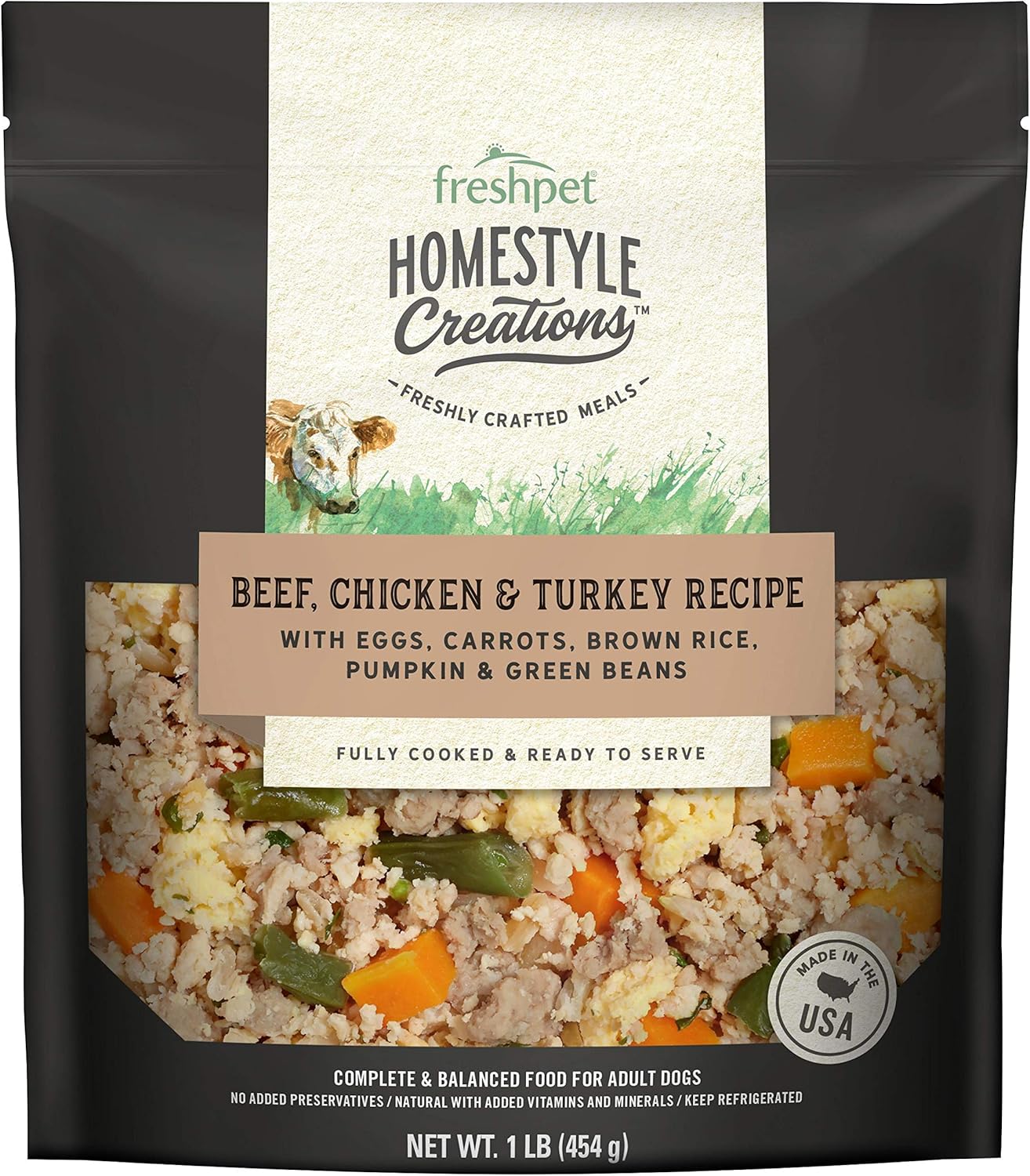
Fresh Pet Food: What Pet Owners Should Know
Fresh pet food is generally made with recognizable ingredients such as meat, vegetables, and grains. It is often gently cooked, refrigerated, or frozen, rather than heavily processed into shelf-stable kibble. For some dogs and cats, fresh food can be a convenient way to add variety to mealtime. But “fresh” does not automatically mean nutritionally complete or right for every pet.
What Counts as Fresh Pet Food?
The term “fresh pet food” can describe several types of products. Some are cooked and sold refrigerated or frozen; others are prepared at home. Recipes and processing methods vary, so it is important to check the label rather than rely on the word “fresh” alone.
Fresh food is different from raw pet food. Raw diets contain uncooked ingredients and can carry harmful bacteria or parasites. Cooked fresh food has been heat-treated, though it still needs to be handled and stored according to its packaging instructions.
Potential Benefits
Some pets may find fresh food appealing because of its aroma, texture, or moisture content. The higher moisture level in many fresh foods may also contribute to a pet’s overall water intake. Depending on the recipe, fresh food can offer variety for pets that are selective eaters.
These benefits depend on the individual pet and the food’s formulation. Fresh food is not automatically healthier than other options. A complete, balanced dry or canned diet can also meet a pet’s nutritional needs.
Check for Nutritional Completeness
Before choosing a food, look for a statement on the package that says it is “complete and balanced” for your pet’s species and life stage. In the United States, this statement may refer to nutritional standards established by the Association of American Feed Control Officials (AAFCO). A food intended only for supplemental feeding should not be used as a pet’s sole diet unless a veterinarian advises otherwise.
Pets have different nutritional needs based on factors such as age, size, activity level, health, and pregnancy or nursing status. Ask your veterinarian whether a particular food is appropriate, especially if your pet has a medical condition or requires a therapeutic diet.
Food Safety and Storage
Fresh food usually requires more careful storage than shelf-stable kibble. Follow the manufacturer’s directions for refrigeration, freezing, thawing, and use after opening. Keep food at the recommended temperature, serve it with clean utensils, and discard any portion left out longer than the package allows.
Wash your hands, food bowls, and preparation surfaces after handling pet food. Avoid using the same utensils for pet food and human food without washing them. These everyday precautions help reduce the risk of foodborne illness for pets and people.
How to Switch Foods
Changing your pet’s diet suddenly can cause digestive upset. Unless your veterinarian recommends an immediate change, transition gradually by mixing a small amount of the new food with the current food. Increase the proportion of the new food over several days, adjusting the pace if your pet develops loose stool, vomiting, or reduced appetite.
Contact your veterinarian if symptoms are severe, persist, or include signs such as repeated vomiting, blood in the stool, weakness, or refusal to eat. A veterinarian can also help determine whether a reaction is related to the food or another issue.
Making an Informed Choice
When comparing fresh pet foods, review the ingredient list, nutritional adequacy statement, feeding directions, storage requirements, and cost per day. Consider whether the product fits your routine and whether you can store and serve it safely. If you are considering a homemade diet, consult a board-certified veterinary nutritionist; recipes found online may not provide all the nutrients a pet needs.
Fresh pet food can be one suitable option among many. The best choice is a safe, complete, and balanced diet that meets your pet’s needs and works for your household. A veterinarian can help you make that choice with confidence.
Freshpet Dog Food FAQs: Benefits, Cost, Side Effects, Processing, and The Farmer’s Dog Comparison
- Is Freshpet dog food actually good for dogs?
- How much does Freshpet cost per month?
- What are the side effects of Freshpet dog food?
- Is Freshpet food good for your dog?
- Is Freshpet just as good as Farmer’s dog?
- Is Freshpet highly processed?
Is Freshpet dog food actually good for dogs?
Freshpet dog food can be a good option for many dogs when you choose a recipe labeled complete and balanced for your dog’s life stage and feed it according to the directions. Its refrigerated format may appeal to some dogs, but “fresh” does not automatically make a food better than other complete diets. Check the nutritional adequacy statement and storage instructions, and ask your veterinarian whether it suits your dog’s age, health, and needs—especially if your dog has a medical condition or a sensitive stomach.
How much does Freshpet cost per month?
The monthly cost of Freshpet varies based on your pet’s size, the specific recipe, and local store prices. To estimate it, check the package’s feeding guide, calculate how much your pet needs each day, and multiply the daily cost by about 30. Larger pets or higher-priced recipes may cost more, and treats or other foods can add to the total.
What are the side effects of Freshpet dog food?
Some dogs may experience digestive changes—such as gas, soft stools, diarrhea, or vomiting—when starting Freshpet or any new food, especially if the switch happens too quickly. These symptoms can also have causes unrelated to the food, and not every dog will experience them. Transition gradually over several days, follow the package’s storage and serving instructions, and contact your veterinarian if symptoms are severe, persist, or include blood in the stool, repeated vomiting, or loss of appetite.
Is Freshpet food good for your dog?
Freshpet food can be a good option for your dog if the specific recipe is labeled complete and balanced for your dog’s life stage and suits their health needs. Check the package for feeding and storage instructions, since Freshpet products require refrigeration, and ask your veterinarian before switching—especially if your dog has a medical condition or dietary restrictions. Like any food, it may not be the right choice for every dog.
Is Freshpet just as good as Farmer’s dog?
Freshpet and The Farmer’s Dog can both be suitable options, but neither is automatically better for every pet. Their recipes, ingredients, nutritional profiles, portioning, prices, and storage requirements differ, so compare the specific products you’re considering and check that each is labeled complete and balanced for your dog’s life stage. Your dog’s health needs, preferences, and how well they tolerate the food matter most. If your dog has a medical condition or needs a special diet, ask your veterinarian before switching.
Is Freshpet highly processed?
Freshpet is cooked and refrigerated, so it is processed for safety and preservation, but it is not made the same way as shelf-stable kibble, which is typically cooked and formed through extrusion. Whether you consider it “highly processed” depends on how you define the term and which product you choose; recipes and ingredients vary. Check the package for the ingredient list, handling instructions, and nutritional adequacy statement, and ask your veterinarian whether it suits your pet.
Related Posts

Safely Sedating Your Dog for Nail Cutting: A Guide to Stress-Free Grooming
Sedating a Dog for Nail Cutting: What You Need to…

Mastering the Art of Walking: The Essential Role of Leashes for Dog Owners
The Importance of Leashes for Dogs The Importance of Leashes…

Purr-fect Picks: Essential Cat Stuff for Your Feline Friend
Cat Stuff: Essentials for Your Feline Friend Cat Stuff: Essentials…