
Best Dog Bowls: How to Choose the Right One for Your Dog
The best dog bowl is one that fits your dog’s size, eating habits, and daily routine. A bowl should be easy to clean, stable enough to resist sliding, and made from materials you’re comfortable using every day. Since no single bowl suits every dog, it helps to compare the main styles and features before choosing.
Best Types of Dog Bowls
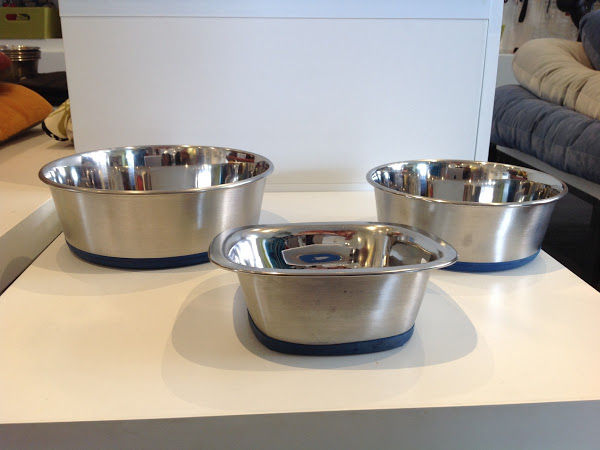
Stainless Steel Bowls: Best for Everyday Use
Stainless steel is a popular choice for food and water bowls because it’s durable, lightweight, and generally easy to wash. Many stainless steel bowls are dishwasher-safe, but check the manufacturer’s care instructions. A non-slip base or a separate rubber ring can help keep the bowl from skidding across the floor.
Choose a sturdy bowl with a smooth interior and no sharp edges. If your dog tends to chew or push bowls around, a heavier model may be a better fit.
Ceramic Bowls: Best for Stability and Style
Ceramic bowls are often heavier than stainless steel, which can make them harder for dogs to move. They also come in a wide range of colors and designs. Look for bowls labeled food-safe and made with a durable glaze.
Inspect ceramic bowls regularly for chips or cracks, which can be difficult to clean and may create sharp edges. Follow the care instructions, especially if you plan to put the bowl in a dishwasher or microwave.
Slow-Feeder Bowls: Best for Dogs Who Eat Too Quickly
Slow-feeder bowls have raised patterns or compartments that encourage dogs to take smaller bites and spend more time eating. They may be useful for dogs that gulp their meals, though some dogs need a simple, easy-to-navigate design to get started.
Choose a size and pattern that suits your dog. If the bowl causes frustration or makes eating difficult, try a less complex design. A slow feeder is not a substitute for veterinary advice if your dog regularly vomits, coughs, or seems uncomfortable after meals.
Elevated Bowls: Best When Recommended for a Specific Need
Raised bowls can make food and water easier to reach for some dogs, but they are not necessary for every pet. Ask your veterinarian whether an elevated bowl is appropriate for your dog, particularly if you are considering one because of a medical condition or mobility issue.
Travel Bowls: Best for Walks and Trips
Collapsible silicone or lightweight fabric bowls are convenient for carrying food and water on outings. Look for a design that folds securely, is easy to rinse, and fits comfortably in your bag. For everyday home use, a more durable bowl may be easier to keep clean.
What to Look for in a Dog Bowl
- Correct capacity: The bowl should hold your dog’s usual serving without being filled to the brim. Check the product’s listed capacity and consider your dog’s meal size.
- Suitable height and shape: Small dogs may do better with a shallow bowl, while larger dogs may need a wider or deeper one. Long-eared dogs may find a narrower bowl less messy.
- Stability: A wide base, heavier construction, or non-slip bottom can help prevent spills.
- Easy cleaning: Smooth surfaces and simple shapes are generally easier to wash. Confirm whether the bowl is dishwasher-safe before cleaning it that way.
- Durable materials: Consider how your dog uses the bowl. A dog that chews may need a different style than one that eats calmly.
- Replacement parts: For bowls with removable rings or stands, check that those parts can be cleaned and replaced if needed.
How to Choose the Right Size
Start with the amount of food your dog eats at each meal. The bowl should comfortably fit that portion while leaving room for your dog to eat without pushing food over the sides. For water, choose a bowl with enough capacity for your dog’s needs and refill it regularly with fresh water.
If you’re unsure, measure your dog’s current bowl and compare its capacity with the serving size on your dog’s food plan. Your veterinarian can help with feeding questions, including portion sizes and any special needs.
Cleaning and Care
Wash food and water bowls regularly with hot, soapy water, then rinse them thoroughly. Clean up leftover food rather than letting it sit in the bowl for long periods. Check bowls for scratches, cracks, worn coatings, or damaged non-slip parts, and replace them if they can no longer be cleaned properly or safely.
It’s also a good idea to keep separate bowls for food and water and to wash travel bowls after outings. Always follow the bowl maker’s care instructions.
So, What Are the Best Dog Bowls?
For many households, a well-made stainless steel bowl is a practical everyday choice. A ceramic bowl may be a good option if you want something heavier and decorative, while a slow feeder can suit a dog that eats too quickly. For travel, a collapsible bowl is easy to carry. The best choice is the one that is comfortable for your dog, simple to keep clean, and suited to how it will be used.
Top FAQs About Choosing the Best and Healthiest Dog Bowls
- What is the healthiest food bowl for dogs?
- What is the best bowl for dogs to drink out of?
- Is it better for dogs to have elevated bowls?
- Is ceramic or stainless steel bowls better for dogs?
- What is the healthiest water bowl for dogs?
- What is the best type of bowl for dogs?
- What type of bowls are best for dogs?
- What is the healthiest material for a dog bowl?
What is the healthiest food bowl for dogs?
The healthiest food bowl for most dogs is a clean, well-maintained bowl made from food-grade stainless steel. It’s durable, nonporous, and easy to wash, which helps prevent food residue and bacteria from building up. Ceramic can also be a good option if it’s labeled food-safe and kept free of chips or cracks. Whatever material you choose, wash the bowl regularly and replace it if it becomes damaged.
What is the best bowl for dogs to drink out of?
For most dogs, a clean, sturdy stainless steel bowl is a great choice for drinking water. It’s durable, easy to wash, and usually resists odors and stains. Choose a size that lets your dog drink comfortably, and use a non-slip base if the bowl tends to slide. Ceramic is another good option, provided it’s food-safe and free of chips or cracks. Whichever bowl you choose, wash it regularly and refill it with fresh water.
Is it better for dogs to have elevated bowls?
Elevated bowls aren’t automatically better for dogs. Some dogs may find them more comfortable, especially if bending down is difficult, but the right height and setup depend on the individual dog. Raised feeding has also been associated with a higher risk of bloat in some large, deep-chested dogs, so ask your veterinarian before switching—particularly if your dog is at increased risk or has a medical condition. For most healthy dogs, a bowl placed securely on the floor is a suitable choice.
Is ceramic or stainless steel bowls better for dogs?
Both ceramic and stainless steel bowls can be good choices for dogs. Stainless steel is lightweight, durable, and easy to clean, making it a practical option for everyday use. Ceramic bowls are heavier, so they may be less likely to slide, and they come in many styles. Choose a food-safe bowl with a smooth, intact surface, and check it regularly for damage—scratched or chipped bowls can be harder to clean safely. Follow the manufacturer’s care instructions, and pick the material that best suits your dog and your routine.
What is the healthiest water bowl for dogs?
The healthiest water bowl for most dogs is a clean, food-grade stainless steel bowl. It’s durable, nonporous, and easy to wash, which helps prevent residue and buildup. Ceramic can also be a good choice if it’s labeled food-safe and kept free of chips or cracks. Wash your dog’s bowl daily with soap and water, rinse it well, and refill it with fresh water.
What is the best type of bowl for dogs?
The best type of bowl for most dogs is a durable, easy-to-clean stainless steel bowl. It’s lightweight, resists rust, and is often dishwasher-safe; a non-slip base can help keep it from sliding. Ceramic bowls are another good option if they’re labeled food-safe and checked regularly for chips or cracks. The right choice depends on your dog’s size, eating habits, and needs—slow-feeder bowls may help dogs that gulp their food, while travel bowls are handy on the go.
What type of bowls are best for dogs?
The best dog bowls are durable, easy to clean, and suited to your dog’s size and eating habits. Stainless steel is a popular everyday choice because it’s sturdy and simple to wash, while ceramic bowls offer extra weight that can help prevent sliding. If your dog eats too quickly, a slow-feeder bowl may help encourage slower eating. Choose a bowl with enough capacity for your dog’s meals, check it regularly for damage, and follow the manufacturer’s cleaning instructions.
What is the healthiest material for a dog bowl?
Stainless steel is often considered one of the healthiest choices for a dog bowl because it’s durable, nonporous, and easy to clean when cared for properly. Choose a food-grade bowl with a smooth, intact surface, and wash it regularly with hot, soapy water. Ceramic can also be a good option if it’s labeled food-safe and remains free of chips or cracks. Whatever material you choose, replace bowls that are damaged and follow the manufacturer’s cleaning instructions.
Related Posts

Finding the Right Canine Behaviorist Near Me: A Guide to Addressing Your Dog’s Behavioral Needs
Canine Behaviorist Near Me Understanding the Importance of a Canine…

Happy Tails at Good Dogs Daycare: Where Your Pup’s Happiness Comes First
Good Dogs Daycare: A Haven for Happy Pups Good Dogs…
Mastering Control: The Essential Role of a Dog Leash in Pet Ownership
The Importance of a Dog Leash The Importance of a…