
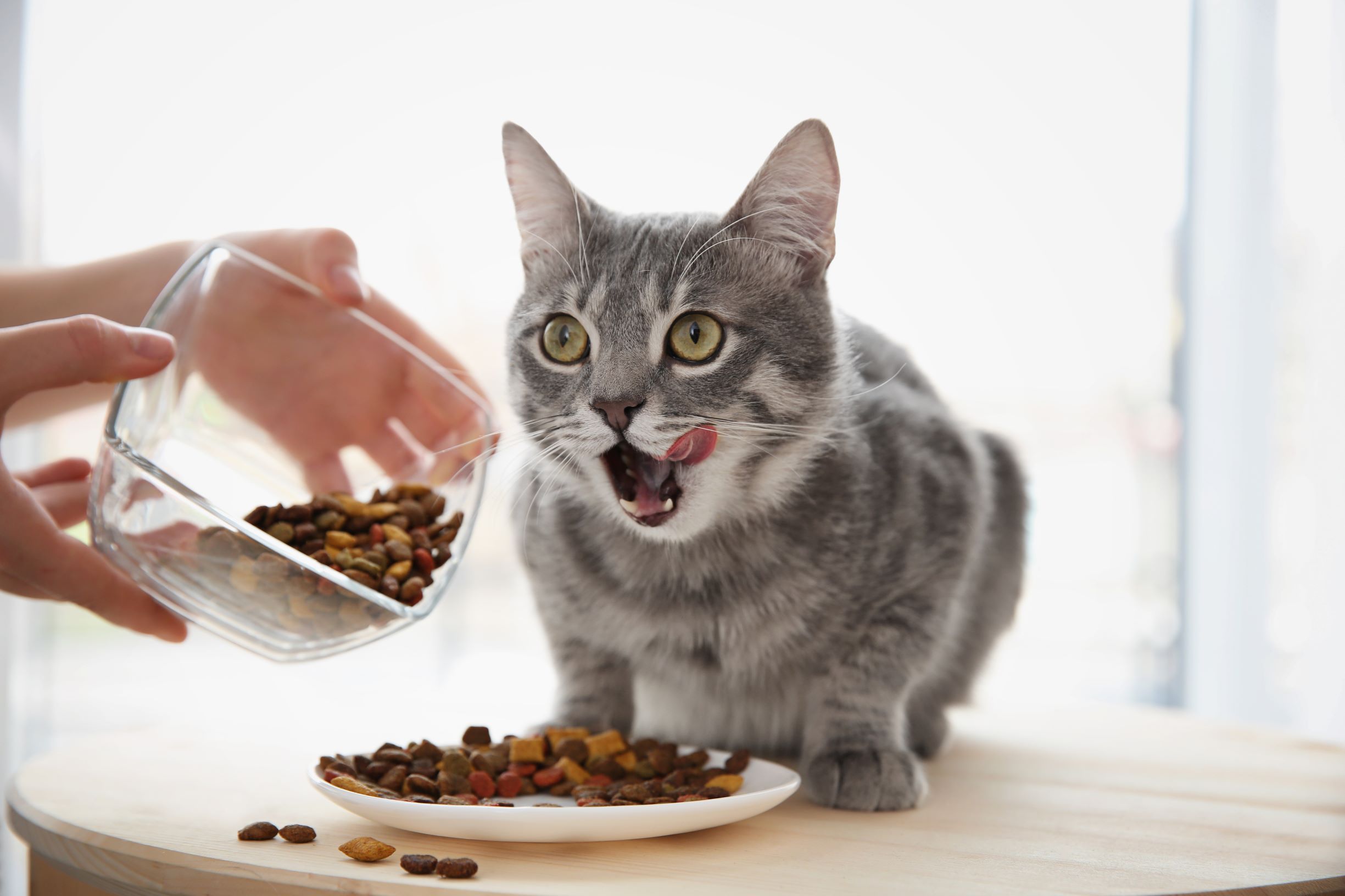
The Top Cat Foods for Your Feline Friend
Choosing the right food for your cat is essential for their health and well-being. With so many options available on the market, it can be overwhelming to decide which one is best for your furry companion. To help you make an informed decision, we have compiled a list of some of the best cat foods that cater to different dietary needs and preferences.
Royal Canin Indoor Adult Dry Cat Food
This formula is specially designed for indoor cats to support their unique needs. It helps maintain a healthy weight and promotes digestive health with a blend of fibers.
Blue Buffalo Wilderness Grain-Free Dry Cat Food
If you prefer grain-free options, this high-protein formula mimics the natural diet of wild cats. It contains real meat as the first ingredient and is packed with essential nutrients.
Hill’s Science Diet Adult Indoor Cat Food
This dry food is formulated to meet the specific nutritional needs of indoor cats, including hairball control and weight management. It contains high-quality ingredients for optimal health.
Wellness CORE Grain-Free Indoor Chicken & Chicken Liver Recipe Canned Cat Food
For cats who enjoy wet food, this grain-free option provides a balanced diet with real chicken and chicken liver as primary ingredients. It supports urinary health and overall wellness.
Purina Pro Plan Focus Adult Weight Management Formula Dry Cat Food
If your cat needs help managing their weight, this formula offers a balanced diet with controlled calories to support healthy weight loss or maintenance without sacrificing taste.
No matter which option you choose, remember to consult with your veterinarian to ensure that the selected cat food meets your cat’s specific dietary requirements and health needs.
9 Essential Tips for Choosing the Best Cat Food
- Choose cat foods that list a high-quality protein source as the first ingredient.
- Look for cat foods that are AAFCO-approved to ensure they meet nutritional standards.
- Avoid cat foods with artificial colors, flavors, and preservatives.
- Consider your cat’s age and activity level when selecting the right type of food.
- Consult with your veterinarian to determine any specific dietary needs or restrictions for your cat.
- Gradually transition your cat to a new food to prevent digestive upsets.
- Provide fresh water alongside your cat’s dry or wet food at all times.
- Monitor your cat’s weight and adjust their food intake accordingly to maintain a healthy weight.
- Rotate between different flavors and textures of cat food to provide variety in their diet.
Choose cat foods that list a high-quality protein source as the first ingredient.
When selecting the best cat food for your feline friend, prioritize options that list a high-quality protein source as the primary ingredient. Protein is essential for cats’ overall health and well-being, supporting their muscle development and energy levels. By opting for cat foods with a high-quality protein source at the top of the ingredient list, you ensure that your cat receives the necessary nutrients to thrive and maintain optimal health.
Look for cat foods that are AAFCO-approved to ensure they meet nutritional standards.
When selecting cat foods for your feline friend, it is crucial to look for products that are AAFCO-approved. The AAFCO (Association of American Feed Control Officials) sets nutritional standards for pet foods to ensure they provide essential nutrients for your cat’s health. By choosing AAFCO-approved cat foods, you can have confidence that you are providing your cat with a balanced and complete diet that meets their nutritional needs.
Avoid cat foods with artificial colors, flavors, and preservatives.
When selecting cat foods for your feline companion, it is advisable to steer clear of products that contain artificial colors, flavors, and preservatives. These additives can potentially have negative effects on your cat’s health. Opting for cat foods that are free from artificial ingredients can help ensure that your pet receives a diet that is more natural and wholesome, promoting their overall well-being and longevity. By choosing products with real, high-quality ingredients, you can provide your cat with a nutritionally balanced diet that supports their health and vitality.
Consider your cat’s age and activity level when selecting the right type of food.
When choosing the best cat food for your feline friend, it is crucial to consider factors such as their age and activity level. Young kittens have different nutritional needs compared to senior cats, so selecting a food that aligns with their life stage is essential for their overall health and well-being. Additionally, a cat’s activity level can impact their calorie requirements and dietary preferences. By taking into account your cat’s age and activity level, you can ensure that they receive the appropriate nutrients to support their specific lifestyle and maintain optimal health.
Consult with your veterinarian to determine any specific dietary needs or restrictions for your cat.
It is essential to consult with your veterinarian to determine any specific dietary needs or restrictions for your cat. Your veterinarian can provide valuable insights based on your cat’s age, weight, health conditions, and overall well-being. By seeking professional advice, you can ensure that the cat food you choose aligns with your cat’s individual requirements, promoting their health and longevity.
Gradually transition your cat to a new food to prevent digestive upsets.
When introducing a new cat food to your feline friend, it is essential to transition gradually to prevent digestive upsets. Abrupt changes in diet can lead to gastrointestinal issues such as vomiting or diarrhea in cats. To help your cat adjust smoothly, mix small amounts of the new food with their current food over a period of about 7-10 days, gradually increasing the proportion of the new food. This gradual transition allows your cat’s digestive system to adapt to the new ingredients and reduces the likelihood of any stomach upset. By taking this simple step, you can ensure a smoother transition to a healthier diet for your beloved pet.
Provide fresh water alongside your cat’s dry or wet food at all times.
It is essential to provide fresh water alongside your cat’s dry or wet food at all times. Cats have a low thirst drive compared to other animals, so ensuring they have access to clean water throughout the day is crucial for their hydration and overall health. By offering fresh water consistently, you help prevent dehydration and support proper kidney function in your feline friend. Remember to regularly refill their water bowl and keep it clean to encourage your cat to stay hydrated and maintain optimal well-being.
Monitor your cat’s weight and adjust their food intake accordingly to maintain a healthy weight.
Monitoring your cat’s weight and adjusting their food intake accordingly is crucial for maintaining their overall health and well-being. Just like humans, cats can be prone to weight gain if they consume more calories than they burn. By keeping an eye on your cat’s weight and adjusting their food portions as needed, you can help prevent obesity and related health issues. Regularly assessing your cat’s body condition and consulting with your veterinarian will ensure that they are receiving the appropriate amount of food to keep them at a healthy weight.
Rotate between different flavors and textures of cat food to provide variety in their diet.
To ensure a well-rounded diet for your feline friend, it’s beneficial to rotate between different flavors and textures of cat food. This variety not only keeps mealtime interesting for your cat but also exposes them to a diverse range of nutrients. By offering a mix of options, you can prevent your cat from becoming bored with their food and potentially develop finicky eating habits. Remember to introduce new foods gradually to avoid digestive upset and consult with your veterinarian for guidance on creating a balanced and nutritious meal plan for your furry companion.
Related Posts
Mastering Control: The Power of a Reliable Leash for Your Dog
The Importance of a Leash for Your Dog The Importance…

Nurturing Connections Through Compassionate Caring
The Importance of Caring: Nurturing Relationships and Creating Connections The…

Enhance Mealtime with Premium Dog Bowls and Feeders
The Importance of Dog Bowls and Feeders The Importance of…