
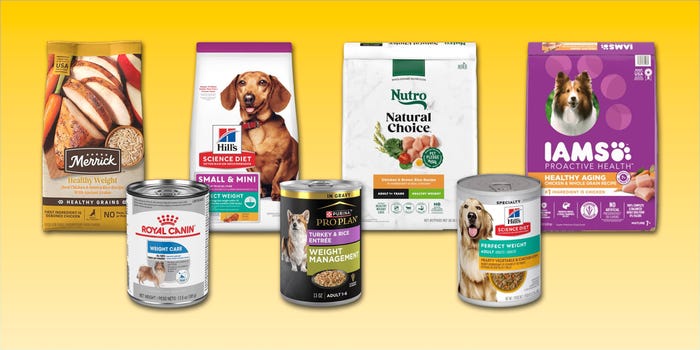
Low-Calorie Dog Food: A Guide to Healthy Weight Management
Keeping your dog at a healthy weight can support mobility, energy, and overall well-being. If your dog needs to lose weight or is prone to gaining it, low-calorie dog food may be one helpful part of a weight-management plan. The right choice depends on your dog’s age, size, health, activity level, and current body condition, so it’s best to consult your veterinarian before changing their diet.
What Is Low-Calorie Dog Food?
Low-calorie dog food provides fewer calories per serving than a standard maintenance formula. Some products are labeled for weight management, while others are simply less calorie-dense. Weight-management foods may also be formulated with adjusted levels of protein, fat, fiber, and other nutrients to help dogs feel satisfied while eating fewer calories.
“Low calorie” does not automatically mean nutritionally complete or appropriate for every dog. Check the packaging for a statement confirming that the food is complete and balanced for your dog’s life stage, and ask your veterinarian whether the formula suits your dog’s needs.
When Might a Dog Need Fewer Calories?
A veterinarian may recommend reducing your dog’s calorie intake if your dog is overweight or has a tendency to gain weight. Changes in activity, age, neuter status, or health can also affect how much food a dog needs. However, a dog’s weight alone does not tell the whole story. A veterinarian can assess body condition and help set a safe target weight and feeding plan.
How to Choose a Low-Calorie Food
- Ask your veterinarian for guidance. Your vet can recommend an appropriate calorie goal and help identify any health concerns that could affect food choices.
- Compare calories per serving. Look at the calories per cup, can, or pouch—not just the feeding instructions. Serving sizes and calorie density can vary considerably between foods.
- Check the nutrition statement. Choose a complete and balanced food that is appropriate for your dog’s life stage.
- Consider your dog’s preferences and needs. Texture, flavor, allergies, and medical conditions can all influence which food is a good fit.
- Measure each portion. A measuring cup can help, though a kitchen scale may provide more consistent portions. Follow your veterinarian’s plan rather than relying only on the package’s general feeding guide.
Make Mealtimes Part of the Plan
Even a suitable low-calorie food may not help if portions are too large or treats add too many calories. Measure meals consistently, account for snacks and training rewards, and keep treats to a modest share of your dog’s daily calories. Your veterinarian can help you decide how treats fit into the plan. Small pieces of your dog’s regular kibble can sometimes work as training rewards.
Regular walks, play, and other activities appropriate for your dog’s age and health can support weight management, too. Increase exercise gradually, especially if your dog is out of shape or has joint or breathing problems.
Switch Food Gradually
When changing foods, transition over several days by gradually mixing more of the new food with the old. A slow transition can make the change easier on your dog’s digestion. If vomiting, diarrhea, or other concerning symptoms occur, contact your veterinarian.
Track Progress Safely
Weight loss should be gradual and monitored. Weigh your dog regularly, keep track of portions and treats, and check in with your veterinarian to adjust the plan as needed. Avoid crash diets or sharply cutting food without professional guidance; feeding too little can leave a dog short of essential nutrients.
Some dogs need a specially formulated veterinary diet rather than a standard lower-calorie food. Puppies, pregnant or nursing dogs, and dogs with certain medical conditions may have different nutritional requirements and should not be switched to a weight-loss diet without veterinary advice.
The Bottom Line
Low-calorie dog food can be useful when it is part of a thoughtful, veterinarian-guided plan. The best approach combines a suitable complete and balanced food, accurately measured portions, mindful treats, appropriate activity, and regular progress checks. With a plan tailored to your dog, healthy weight management can be both safe and sustainable.
Essential FAQs About Low-Calorie Dog Food: Understanding, Choosing, and Feeding
- What is low-calorie dog food?
- How do I know if my dog needs low-calorie food?
- How do I choose the right low-calorie dog food for my dog?
- How much low-calorie food should I feed my dog?
- Can I help my dog lose weight without switching to low-calorie food?
- How quickly should my dog lose weight on a low-calorie diet?
What is low-calorie dog food?
Low-calorie dog food is formulated to provide fewer calories per serving than standard dog food, often to support weight management. Some recipes adjust fat, protein, or fiber to help dogs feel satisfied while eating fewer calories. Calorie content and nutrition vary by product, so check the label to confirm the food is complete and balanced for your dog’s life stage. Ask your veterinarian whether it’s appropriate for your dog and how much to feed.
How do I know if my dog needs low-calorie food?
You may want to consider low-calorie dog food if your dog is gaining excess weight, but appearance alone can be misleading. Check with your veterinarian, who can assess your dog’s body condition, ideal weight, activity level, and health needs, then recommend an appropriate feeding plan. Don’t reduce portions or switch to a weight-management food without guidance, especially if your dog is a puppy, pregnant, nursing, or has a medical condition.
How do I choose the right low-calorie dog food for my dog?
To choose the right low-calorie dog food, ask your veterinarian to assess your dog’s weight, health, age, and activity level and recommend an appropriate calorie target. Compare the calories per cup or can, and choose a complete and balanced food suited to your dog’s life stage and any health needs. Measure portions carefully, include treats in the daily calorie count, and transition to the new food gradually. Monitor your dog’s weight and check in with your veterinarian to adjust the plan as needed.
How much low-calorie food should I feed my dog?
The right amount of low-calorie dog food depends on your dog’s ideal weight, age, activity level, health, and the food’s calorie content. Check the label for calories per cup or can, but treat its feeding guide as a starting point—not a precise prescription. Ask your veterinarian to recommend a daily calorie target, then measure portions carefully and include treats in the total. Monitor your dog’s weight and body condition, and adjust the plan with your veterinarian rather than sharply reducing food on your own.
Can I help my dog lose weight without switching to low-calorie food?
Yes. Your dog may be able to lose weight without switching foods by eating smaller, carefully measured portions and getting fewer treats and table scraps. Regular, veterinarian-approved exercise can also help. Ask your veterinarian to set a safe calorie goal and check that your dog’s current food still provides the nutrients they need; avoid making drastic portion cuts, since that can lead to nutritional deficiencies.
How quickly should my dog lose weight on a low-calorie diet?
Most dogs should lose weight gradually—often around 1% of their starting body weight per week, though the right pace varies by dog. Faster weight loss can be unsafe, so work with your veterinarian to set a target, adjust portions, and monitor progress with regular weigh-ins. If your dog is losing weight unusually quickly, seems unwell, or isn’t making progress, check in with your veterinarian before changing the diet.
Related Posts
Unleash Your Dog’s Joy with the Perfect Bone Chew Toy
The Importance of Dog Bones in Your Pet's Life The…
Exploring the Benefits of Small Batch Dog Food for Your Canine Companion
Article: Small Batch Dog Food The Benefits of Small Batch…
Exploring the World of Delicious Doggie Treats
The Joy of Doggie Treats The Joy of Doggie Treats…