
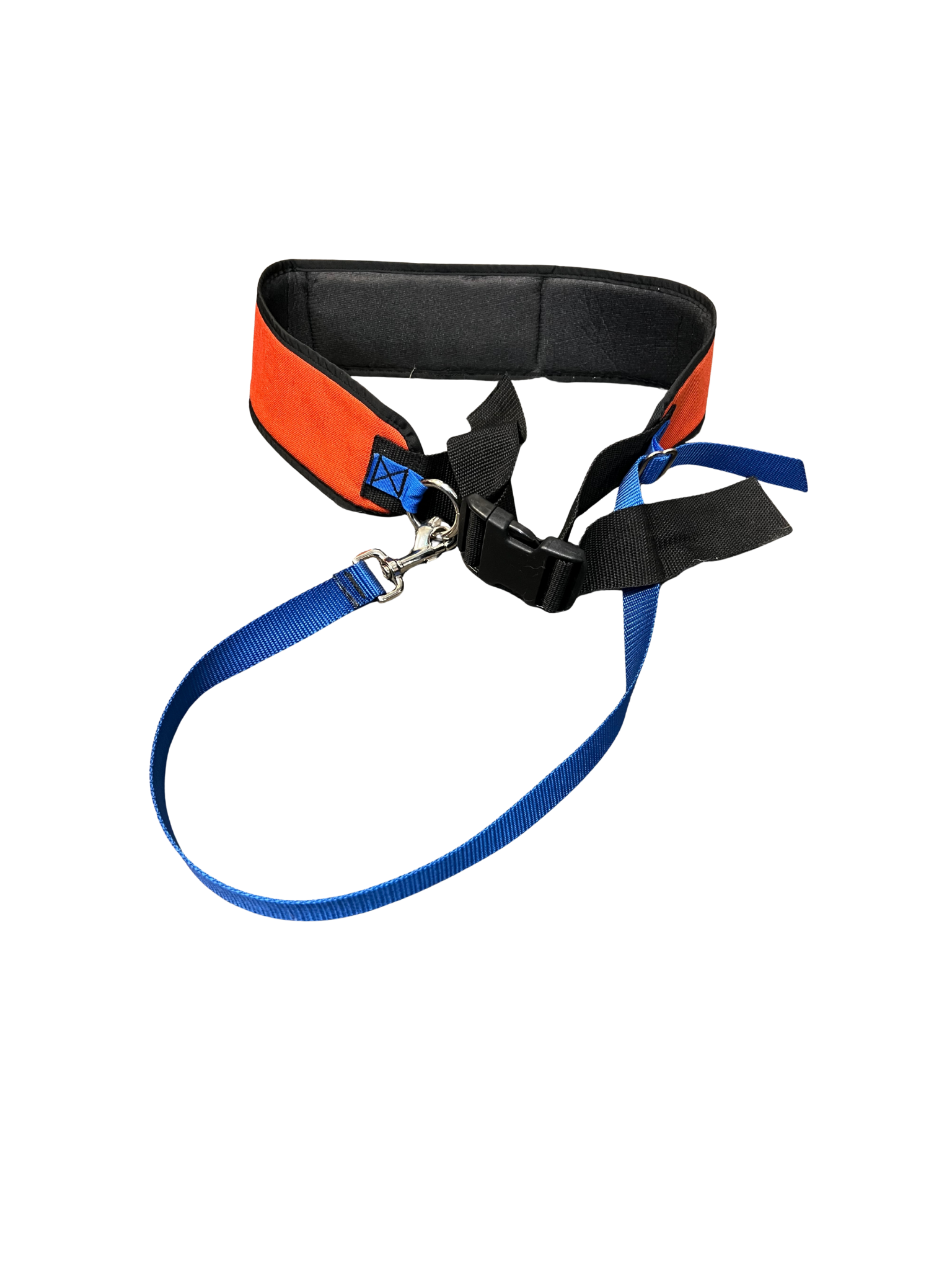
Dog Leash Belts: A Hands-Free Way to Walk Your Dog
A dog leash belt attaches your dog’s leash to a belt worn around your waist, leaving your hands free while you walk, hike, or jog. For some people and dogs, it can make outings feel more comfortable and convenient. The right setup depends on your dog’s size, behavior, and walking environment, so it’s worth considering both the benefits and the safety features before choosing one.
What Is a Dog Leash Belt?
A dog leash belt typically includes a waist belt and a leash or attachment point that connects to your dog’s harness or collar. Many models include adjustable straps, padded sections, reflective details, or pockets for treats and waste bags. Some use a fixed leash attachment, while others include a bungee section designed to soften sudden pulls.
Dog leash belts are commonly used for casual walks, hiking, and running. They are not a substitute for a properly fitted harness, a suitable leash, or attentive handling.
Potential Benefits
- Hands-free movement: Keeping your hands free can make it easier to carry items, use trekking poles, or maintain a natural arm swing while jogging.
- Convenience: A belt can keep the leash attached to you when you need to manage a water bottle, pick up waste, or open a gate.
- More even load distribution: When fitted correctly, a belt may distribute some leash pressure around your waist rather than concentrating it in your hand. However, a strong pull can still strain your hips or back.
- Useful features: Some designs include storage for essentials such as keys, treats, or waste bags.
How to Choose a Dog Leash Belt
Consider Your Dog’s Size and Behavior
Check the manufacturer’s weight and use recommendations, but also think about your dog’s strength and walking habits. A small dog that walks calmly has different needs from a large dog that lunges or pulls. If your dog frequently pulls, work on leash manners and consider getting guidance from a qualified trainer before using a waist-attached leash.
Look for a Secure, Comfortable Fit
Choose an adjustable belt that stays in place without digging into your waist. A wider, padded belt may feel more comfortable on longer walks. Make sure buckles and attachment points are sturdy and easy to inspect. The belt should not be so loose that it can slip off, or so tight that it restricts your movement or breathing.
Choose the Right Leash Length
A shorter leash can offer more control in busy areas, while a longer leash may give your dog more room in open spaces. Some belts use a bungee leash to reduce the jolt of a sudden pull. Bungee leashes can help soften movement, but they do not prevent pulling and may make it harder to keep your dog close. Follow local leash rules wherever you walk.
Check for Visibility and Storage
Reflective details can help you and your dog be more visible in low light, though they are not a replacement for a light or other visibility gear when needed. Pockets and loops are useful, but avoid designs that become bulky or interfere with your stride.
Safety Tips for Using a Leash Belt
- Attach the leash to a well-fitted harness when appropriate, especially if your dog tends to pull. A collar may put pressure on a dog’s neck if they lunge.
- Start in a quiet, familiar place and get used to the belt before walking near traffic or crowds.
- Keep a hand near the leash when you need extra control, and be ready to detach quickly if necessary.
- Do not wrap the leash around your hand, waist, or body.
- Avoid attaching a strong, reactive, or unpredictable dog to your waist until you are confident you can manage sudden pulls safely.
- Inspect the belt, leash, clips, and stitching regularly for wear or damage.
- Stay attentive. Hands-free does not mean you can stop supervising your dog.
Is a Dog Leash Belt Right for You?
A dog leash belt may be a practical choice for people who want hands-free convenience and have a dog that can walk safely on leash. It may be less suitable for dogs that lunge, pull hard, or react unpredictably, since a sudden movement can affect your balance or cause injury. In those cases, a standard handheld leash and training support may be a safer option.
Choose a belt that fits well, matches your dog’s needs, and allows you to stay in control. With a gradual introduction and sensible safety precautions, a dog leash belt can be a useful addition to your walking gear.
Everything You Need to Know About Dog Leash Belts: FAQs and Tips
- What is a dog leash belt, and how does it work?
- Are dog leash belts safe for dogs and their owners?
- How do I choose the right dog leash belt for my dog?
- Can I use a dog leash belt for running or hiking?
- Is a dog leash belt suitable for a dog that pulls?
- How should I attach and adjust a dog leash belt?
What is a dog leash belt, and how does it work?
A dog leash belt is a hands-free walking system that secures around your waist and connects to your dog’s leash. It lets you walk, hike, or jog with your hands free while keeping your dog attached to you. Depending on the design, the leash may clip directly to the belt or connect through a short, sometimes elastic section that can soften sudden tugs. For safety and comfort, choose a belt that fits securely and pair it with a suitable, well-fitted harness—especially if your dog tends to pull.
Are dog leash belts safe for dogs and their owners?
Dog leash belts can be safe for both dogs and their owners when they fit properly and are used with a suitable leash and harness. They may be a good option for calm dogs that walk reliably, but a dog that lunges or pulls hard can throw the wearer off balance or strain their hips and back. Start in a quiet area, keep a hand near the leash for extra control, and check the belt and clips for wear. If your dog is strong, reactive, or difficult to manage, a handheld leash and guidance from a qualified trainer may be safer.
How do I choose the right dog leash belt for my dog?
To choose the right dog leash belt, consider your dog’s size, strength, and walking habits, as well as your own comfort. Look for an adjustable, secure belt with sturdy attachment points and a leash length suited to where you’ll walk. A padded waist belt may feel more comfortable on longer outings, while reflective details can improve visibility in low light. If your dog pulls or lunges, choose a setup that gives you reliable control and consider attaching the leash to a well-fitted harness; a waist belt may not be appropriate if sudden pulls could throw you off balance.
Can I use a dog leash belt for running or hiking?
Yes, a dog leash belt can be useful for running or hiking because it keeps your hands free and may make it easier to carry essentials or use trekking poles. Choose a comfortable, secure belt with a sturdy leash attachment, and make sure the leash length suits the trail or route. Start in a quiet area to get used to the setup, and use it only if your dog walks reliably on leash—sudden pulling can affect your balance, especially on uneven ground.
Is a dog leash belt suitable for a dog that pulls?
A dog leash belt may not be the best choice for a dog that pulls strongly or lunges, because sudden force can affect your balance or strain your hips and back. A bungee-style leash may soften jolts, but it won’t stop pulling or give you more control. Consider using a sturdy handheld leash while working on loose-leash training, and attach the leash to a well-fitted harness if appropriate. If you try a belt, start in a quiet, safe area and keep a hand on the leash so you can respond quickly.
How should I attach and adjust a dog leash belt?
Attach the leash belt around your waist according to the manufacturer’s instructions, then tighten or loosen it until it sits securely without restricting your movement or breathing. Fasten the leash clip to your dog’s well-fitted harness—especially if your dog pulls—and check that every buckle and connection is secure before you set off. Adjust the leash length so your dog can walk comfortably while remaining under control, and test the setup in a quiet, enclosed area first.
Related Posts

Elevate Your Style with Chic Accessories: A Guide to Effortless Fashion
The Essential Role of Accessories in Enhancing Your Style Accessories…

The Benefits of Raw Bones for Dogs: A Guide to Dental Health and Nutritional Value
Article: Raw Bones for Dogs The Benefits of Raw Bones…
Choosing the Best Dog Food for Small Dogs: A Nutritional Guide
Best Dog Food for Small Dogs The Best Dog Food…