
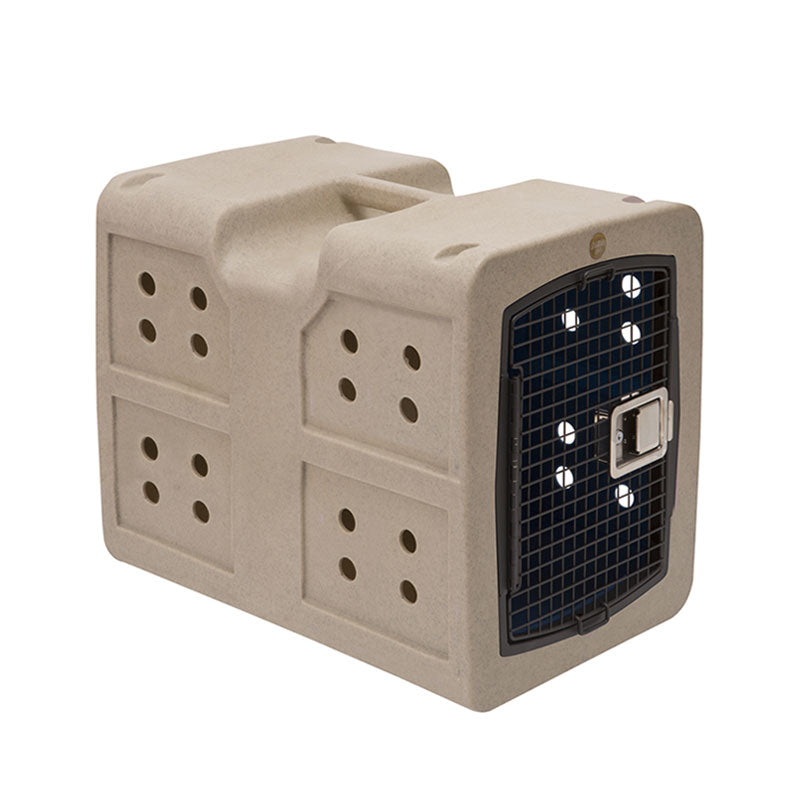
Choosing a Large Dog Plastic Kennel
A large dog plastic kennel can give your dog a comfortable place to rest at home or travel safely in a vehicle. Plastic kennels are popular because they’re relatively lightweight, easy to clean, and have solid sides that can help create a cozy, den-like space. The right kennel should fit your dog, suit how you plan to use it, and be sturdy enough for everyday handling.
Benefits of a Plastic Kennel
Many plastic kennels have a two-piece shell, a secure door, and ventilation openings on the sides or back. Their enclosed design can offer dogs a little more privacy than an open wire crate, which some dogs find reassuring. Plastic surfaces are also generally straightforward to wipe down after muddy paws or minor spills.
Because plastic kennels are often easier to carry than similarly sized metal enclosures, they may be convenient for trips and temporary setups. However, weight, durability, and portability vary by model, so check the product specifications before buying.
How to Choose the Right Size
“Large” is not a standard size, and kennel dimensions differ between brands. Measure your dog before shopping. For length, measure from the nose to the base of the tail, then add a few inches. For height, measure from the floor to the top of the head or ears, whichever is taller, and allow extra room.
Your dog should be able to stand naturally, turn around, and lie down comfortably inside. A kennel that is too small can be uncomfortable, while one that is much too large may not feel as secure to some dogs. Check the interior dimensions—not just the outside measurements—and compare them with your dog’s measurements.
Features to Look For
- Secure door: Look for a sturdy latch that is easy for a person to operate and difficult for a dog to nudge open.
- Good ventilation: Openings should allow airflow around the kennel. Never cover ventilation slots or leave a dog in a kennel in an unsafe hot environment.
- Durable construction: Check the shell, door, hinges, and connection points for a solid build. A determined chewer may damage plastic.
- Easy cleaning: A removable top or simple assembly can make routine cleaning easier.
- Stable base: A kennel should sit securely without rocking or sliding easily on the surfaces where it will be used.
- Replacement parts: If the manufacturer offers replacement doors, fasteners, or other parts, repairs may be simpler if something wears out.
Plastic Kennel or Wire Crate?
A plastic kennel has more enclosed sides, while a wire crate offers a more open view and often better airflow through its walls. Plastic may be a practical choice for travel or for dogs that prefer a more sheltered resting spot. A wire crate may suit dogs that do better with a clear view of their surroundings. Neither style is right for every dog; consider your dog’s behavior, the intended setting, and the product’s ventilation and construction.
Using a Kennel Safely
Introduce the kennel gradually and make it a positive place to rest. Leave the door open at first, place comfortable bedding inside if appropriate, and reward your dog for choosing to enter. Build up to closing the door for short periods while you are nearby. A kennel should not be used as punishment or as a substitute for exercise, attention, or supervision.
Before each use, check that the door latches properly and that there are no cracks, sharp edges, or loose parts. Keep the kennel in a well-ventilated location away from direct heat and other hazards. Do not leave a dog unattended in a plastic kennel if the dog is panicking, persistently trying to escape, or chewing the kennel. Ask a veterinarian or qualified trainer for guidance if your dog has trouble settling.
Using a Plastic Kennel for Travel
For car trips, secure the kennel so it cannot slide or tip, and plan regular stops for water, bathroom breaks, and movement. Never leave a dog alone in a parked vehicle, where temperatures can become dangerous quickly.
If you plan to fly, check the airline’s current pet travel rules before purchasing a kennel. Requirements can vary by airline and route, and not every large plastic kennel will be accepted. Confirm the required dimensions, door and latch design, ventilation, and any other specifications directly with the carrier.
Finding the Best Fit
The best large dog plastic kennel is one that fits your dog comfortably, has secure construction and adequate ventilation, and matches your intended use. Compare interior measurements and product details, then introduce the kennel patiently so your dog can learn to treat it as a calm, familiar space.
Large Plastic Dog Kennels: FAQs on Size, Safety, Heat, and Stay Duration
- How long can a dog stay in a large kennel?
- Do plastic dog kennels get hot?
- Are plastic kennels good for dogs?
- How big should a kennel be for a large dog?
How long can a dog stay in a large kennel?
A large kennel doesn’t mean a dog can stay confined longer: most healthy adult dogs should have a break to stretch, exercise, and relieve themselves every 4–6 hours. Puppies, senior dogs, and dogs with medical needs may need breaks much more often, and puppies generally can’t hold their bladder as long as adults. Overnight stays may be different for a kennel-trained adult dog, but avoid using the kennel for extended periods or as a substitute for exercise and attention. Each dog’s needs vary, so plan regular breaks and ask your veterinarian for guidance if you’re unsure.
Do plastic dog kennels get hot?
Plastic dog kennels can get hot, especially in direct sunlight, warm rooms, or poorly ventilated areas. Their solid sides may limit airflow compared with an open wire crate, so choose a kennel with ample ventilation and place it in a cool, shaded spot. Never leave your dog in a kennel in a parked car or another hot environment, and make sure fresh water and comfortable airflow are available.
Are plastic kennels good for dogs?
Yes, plastic kennels can be a good option for many dogs. Their enclosed sides may create a cozy, sheltered space, and the smooth surfaces are often easy to clean. Choose a kennel that lets your dog stand, turn around, and lie down comfortably, with secure latches and plenty of ventilation. Plastic kennels may not suit dogs that chew or panic when confined, so supervise your dog and introduce the kennel gradually using positive reinforcement.
How big should a kennel be for a large dog?
A kennel should be large enough for your dog to stand naturally, turn around, and lie down comfortably. Measure your dog from nose to the base of the tail for length and from the floor to the top of the head or ears for height, then add a few inches to each measurement. Since sizes vary by brand, compare your measurements with the kennel’s interior dimensions rather than relying on labels such as “large.”
Related Posts

Ultimate Guide to Dog Crates for Large Dogs: Ensuring Comfort and Safety for Your Big Canine Companion
Dog Crates for Large Dogs The Importance of Dog Crates…

Choosing the Best Plastic Dog Crate for Your Canine Companion
The Benefits of a Plastic Dog Crate The Benefits of…