
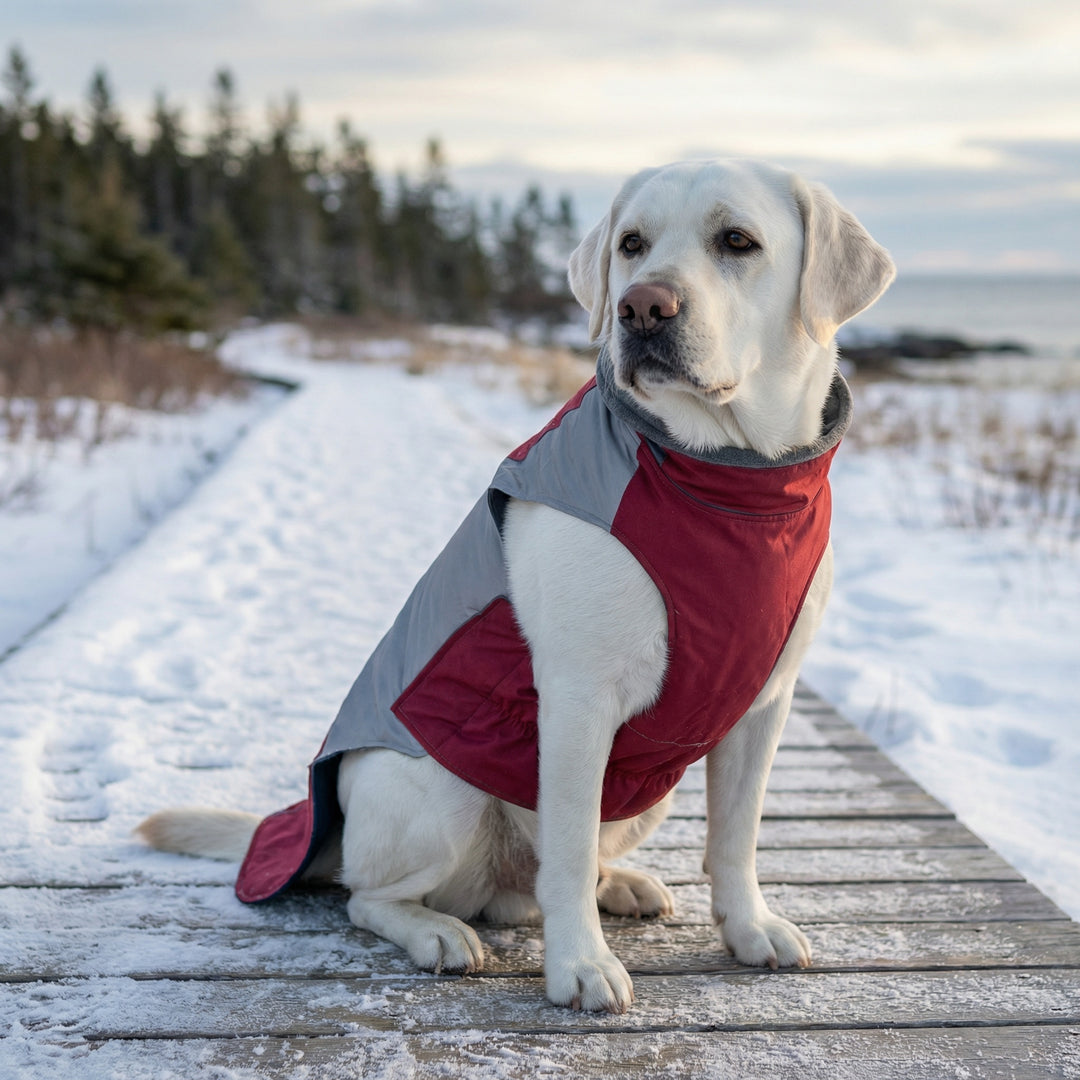
Choosing the Right Jacket for Your Dog
A dog jacket can help keep your pup comfortable during chilly walks, windy days, and light rain. The right choice depends on your dog’s size, coat, activity level, and the weather where you live. A jacket should offer protection without restricting movement or causing your dog to overheat.
Does Your Dog Need a Jacket?
Some dogs are more sensitive to cold than others. Small dogs, senior dogs, puppies, dogs with short or thin coats, and dogs with certain health conditions may benefit from an extra layer. Dogs with thick coats may be comfortable without one in mild weather, but individual needs vary.
Watch your dog outside. Shivering, slowing down, lifting paws, or trying to head home may be signs that your dog is uncomfortable. When in doubt, ask your veterinarian what is appropriate for your dog.
Types of Dog Jackets
- Insulated jackets: Add warmth for cold-weather walks.
- Water-resistant jackets: Help shield your dog from drizzle and damp conditions.
- Raincoats: Provide more coverage during wet weather, often with a lightweight design.
- Reflective jackets: Improve visibility during early-morning or evening walks.
- Fleece layers: Offer light warmth for cool days or indoor-to-outdoor transitions.
How to Find the Right Fit
A well-fitting jacket should sit comfortably around your dog’s chest and neck while allowing a full range of motion. Measure your dog according to the manufacturer’s instructions, since sizing can vary between brands. Check that the jacket does not rub under the legs, press against the throat, or cover your dog’s tail.
Fasteners should be secure but easy to adjust. If the jacket has a harness opening, make sure the leash attaches safely and that the opening works with your dog’s harness. After putting the jacket on, watch your dog walk, sit, and turn to make sure it stays in place.
Getting Your Dog Comfortable
Introduce a new jacket gradually. Let your dog sniff it, then try it on for a short time indoors. Offer praise or treats and keep the first few outings brief. If your dog seems distressed or has trouble moving naturally, remove the jacket and check the fit.
Care and Safety
Follow the care label when washing a dog jacket, and inspect it regularly for loose seams, damaged fasteners, or worn areas. A jacket is not a substitute for supervision in cold or wet weather. Keep walks appropriate for the conditions, and bring your dog indoors if they seem uncomfortable.
The best dog jacket is one that suits the weather, fits comfortably, and works for your dog’s everyday routine. With the right fit and a gradual introduction, it can make outdoor adventures more comfortable for both of you.
7 Benefits of Dog Jackets for Warmth, Comfort, and Protection
- Helps keep dogs warm in cold weather
- Adds protection from wind and light rain
- Can improve visibility with reflective details
- Offers extra comfort for short-haired dogs
- Useful for puppies and senior dogs
- Provides an extra layer on chilly walks
- Available in styles for different sizes and needs
7 Drawbacks of Dog Jackets
- Some dogs dislike wearing jackets.
- A poor fit can restrict movement.
- Jackets may cause overheating.
- They can get wet or dirty easily.
- Some styles are hard to put on.
- Quality jackets can be expensive.
- They may rub or irritate the skin.
Helps keep dogs warm in cold weather
A dog jacket helps keep your pup warm in cold weather by adding an insulating layer between their coat and the chilly air. This can make outdoor walks more comfortable, especially for small, short-haired, senior, or cold-sensitive dogs. Choose a jacket that fits well and allows your dog to move freely.
Adds protection from wind and light rain
A dog jacket can add a helpful layer of protection on breezy days and during light rain. By shielding your dog’s body from wind and drizzle, it can help keep them more comfortable on walks, especially if they have a short coat or are sensitive to chilly weather.
Can improve visibility with reflective details
Reflective details on a dog jacket can make your dog easier for drivers, cyclists, and other pedestrians to see in low-light conditions. This added visibility is especially helpful during early-morning or evening walks, though it doesn’t replace a leash, supervision, or other safety measures.
Offers extra comfort for short-haired dogs
A dog jacket can provide extra comfort for short-haired dogs, which often have less natural insulation against chilly weather. A soft, well-fitting layer helps keep your dog warm on cool walks and breezy days while still allowing them to move freely.
Useful for puppies and senior dogs
A dog jacket can be especially helpful for puppies and senior dogs, who may have a harder time staying comfortable in cold weather. Puppies are still developing, while older dogs may be more sensitive to chilly temperatures or have health and mobility concerns. A properly fitted jacket adds an extra layer of warmth during walks and outdoor breaks, helping make time outside more comfortable.
Provides an extra layer on chilly walks
A dog jacket provides an extra layer on chilly walks, helping your dog stay comfortable when the temperature drops. It can be especially useful for small dogs, short-haired breeds, puppies, and senior dogs, which may feel the cold more quickly.
Available in styles for different sizes and needs
Dog jackets are available in styles designed for different sizes and needs, making it easier to find a comfortable option for your pet. From lightweight raincoats for small dogs to insulated jackets for larger or cold-sensitive dogs, a variety of designs can offer the right fit and level of protection. This range helps you choose a jacket that suits your dog’s build, coat, activity level, and the weather.
Some dogs dislike wearing jackets.
Some dogs dislike wearing jackets and may feel uncomfortable or restricted when one is put on. Your dog might freeze, fidget, scratch at the fabric, or try to pull it off. Introduce a jacket gradually, choose a comfortable fit, and never force your dog to wear one if they seem distressed.
A poor fit can restrict movement.
A dog jacket that doesn’t fit properly can restrict your dog’s movement, making it harder to walk, run, sit, or play comfortably. Jackets that are too tight may rub or press against the chest and shoulders, while loose ones can shift, snag, or get in the way. Check the fit carefully and make sure your dog can move naturally before heading outside.
Jackets may cause overheating.
Dog jackets can cause overheating, especially during mild weather, vigorous activity, or when a dog already has a thick coat. Watch for heavy panting, restlessness, drooling, or seeking shade, and remove the jacket if your dog seems too warm. Choose a lightweight layer suited to the temperature, and check your dog regularly during walks.
They can get wet or dirty easily.
Dog jackets can get wet or dirty easily, especially during rainy walks, muddy outings, or playtime outdoors. A damp or muddy jacket may be uncomfortable for your dog and can leave messes around the house. Choose a jacket that’s easy to clean, and let it dry completely before your dog wears it again.
Some styles are hard to put on.
Some dog jacket styles can be difficult to put on, especially if they have multiple straps, snaps, or a snug fit. Dogs that don’t like being handled may become restless, making the process even trickier. Choose a jacket with simple closures and an easy-on design, and introduce it gradually so your dog can get comfortable wearing it.
Quality jackets can be expensive.
High-quality dog jackets can be expensive, especially those made with durable, weather-resistant materials or designed for a precise fit. While a lower-cost option may work for occasional use, it’s worth comparing materials, construction, and care instructions to find a jacket that fits your budget and can withstand regular wear.
They may rub or irritate the skin.
A dog jacket that fits poorly or is made from rough, stiff, or poorly breathable fabric may rub against your dog’s skin and cause irritation, especially around the neck, chest, and underarms. Check your dog’s skin after wearing the jacket, and look for redness, sore spots, or excessive scratching. Make sure the jacket fits comfortably, keep it clean and dry, and remove it if your dog shows signs of discomfort.
Related Posts

Keeping It Clean: The Importance of Responsible Dog Waste Removal
The Importance of Dog Waste Removal The Importance of Dog…
Essential Guide to Choosing the Best Pet Leashes for Your Furry Companion
The Importance of Pet Leashes The Importance of Pet Leashes…
The Enchanting Charm of the Toy Spaniel: A Beloved Companion
The Toy Spaniel: A Charming Companion The Toy Spaniel: A…