
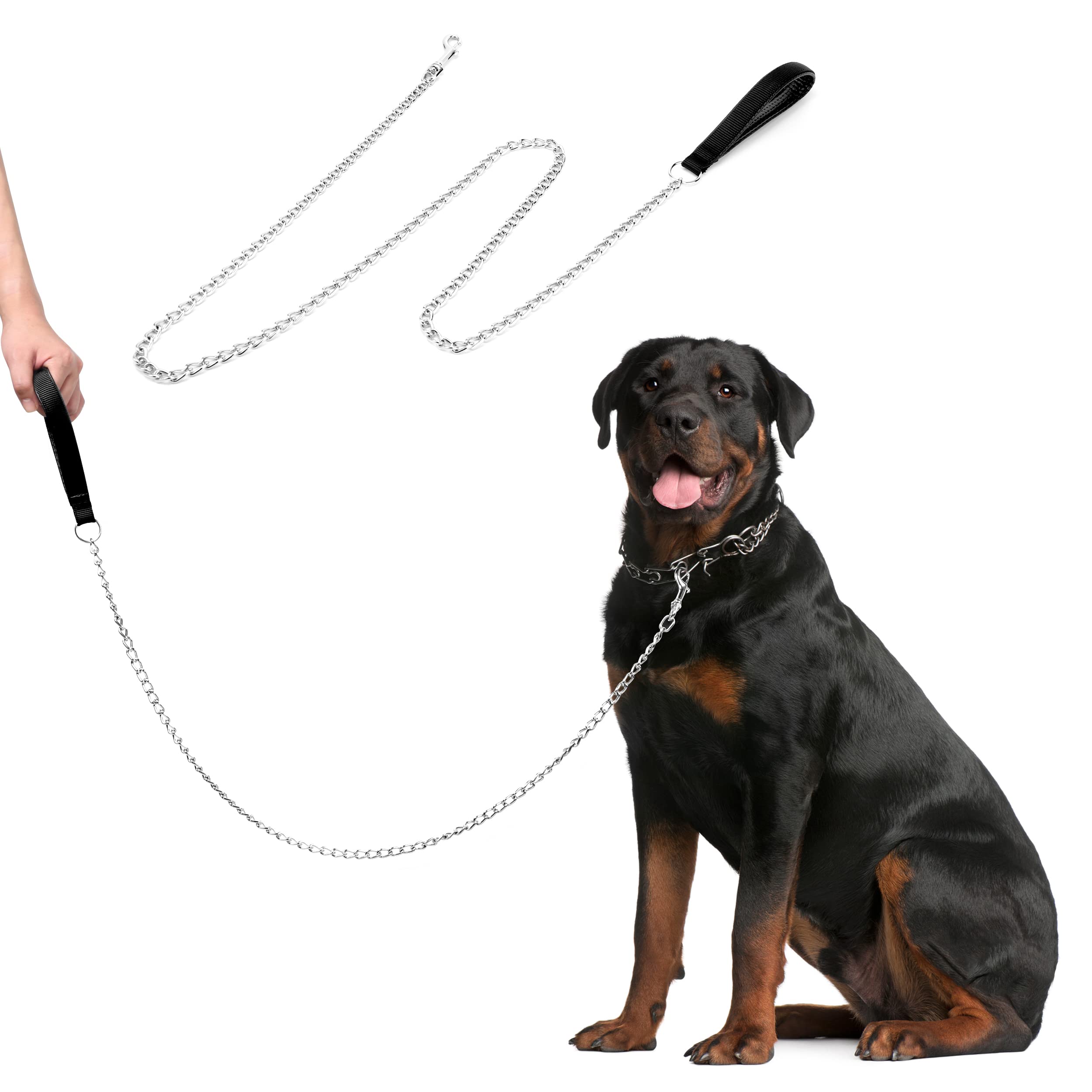
Dog Lead Leash: How to Choose the Right One
A dog lead, commonly called a dog leash in the United States, is an essential part of everyday life with a dog. The right leash can make walks more comfortable, support safe handling, and suit your dog’s size, behavior, and activity level. With so many styles and materials available, it helps to know what to look for before choosing one.
What to Consider When Choosing a Dog Leash
Length
A standard leash is often around 4 to 6 feet long. This length gives most dogs room to explore while keeping them close enough for everyday walks and busy areas. Longer training lines can be useful for practicing recall in open spaces, but they require extra attention to prevent tangles. Check local rules, since some parks and public areas require dogs to be kept on a short leash.
Material
- Nylon: Lightweight, widely available, and easy to find in different colors and styles. It may cause friction if it slides quickly through your hands.
- Leather: Durable and comfortable to hold when cared for properly. It can cost more and may need occasional conditioning.
- Biothane-style coated webbing: Often easy to wipe clean and resistant to moisture, making it a practical option for muddy or wet walks.
- Rope: Strong and comfortable in some designs, though the thickness and construction should match your dog’s size and pulling strength.
Width and Strength
Choose a leash that feels secure in your hand and is designed for your dog’s size and strength. A narrow leash may be suitable for a small dog, while a larger or strong dog may need wider, sturdier webbing and reinforced hardware. Always check the manufacturer’s weight or use recommendations.
Clip and Handle
The clip should attach securely to your dog’s collar or harness and move freely without opening accidentally. A comfortable handle can make longer walks easier. Some leashes also include a traffic handle near the clip, which lets you hold your dog closer when passing people, bikes, or other dogs.
Common Types of Dog Leashes
Standard Leash
A standard leash is a simple, versatile choice for daily walks, training, and visits to public places. It typically has a handle at one end and a clip at the other.
Long Line
A long line gives a dog more room to move while remaining attached to the handler. It can help with recall practice in appropriate open areas. Long lines can tangle, so use them away from roads, crowds, and other hazards, and avoid wrapping the line around your hand.
Hands-Free Leash
Hands-free leashes attach around the waist or across the body. They can be convenient for running or walking when you need your hands free, but they are not ideal for every dog or situation. Consider your dog’s size, pulling habits, and your ability to maintain control.
Retractable Leash
Retractable leashes allow the dog to move farther away while the handle controls the line. They can be difficult to manage around traffic, crowds, or other dogs, and the thin cord may cause injuries if it wraps around a person or pet. Follow the product instructions and use one only where there is plenty of clear space.
Leash or Lead: Is There a Difference?
“Dog lead” and “dog leash” generally refer to the same piece of equipment: a line that connects a handler to a dog. “Leash” is the more common term in the United States, while “lead” is more common in some other English-speaking regions. Either way, the important thing is choosing a well-made option suited to your dog and the places you walk.
Using a Leash Safely
- Inspect the leash, stitching, clip, and handle regularly for wear or damage.
- Attach the leash to a properly fitted collar or harness.
- Hold the handle securely, but do not wrap the leash around your hand or wrist.
- Keep your dog close near roads, crowded sidewalks, and other situations where extra control is needed.
- Use a leash that gives you control without forcing your dog to walk uncomfortably close at all times.
- Replace a leash if its material is frayed, its clip is unreliable, or its stitching is coming apart.
Finding the Right Fit
The best dog leash is one that feels comfortable to use, suits your dog’s size and behavior, and fits the places you walk. For many people, a sturdy standard leash is a dependable everyday option, while a long line or hands-free design can serve specific needs. Choose thoughtfully, check the leash often, and make comfort and safety part of every walk.
Top 5 FAQs About Dog Leashes: Choosing the Best Option for Your Pup
- What is the 7-7-7 rule for dogs?
- Is a lead or harness better for a dog?
- What’s the best lead for a dog that pulls?
- What lead is best for a dog that pulls?
- What words do dogs love to hear the most?
What is the 7-7-7 rule for dogs?
The 7-7-7 rule is a puppy-socialization guideline suggesting that, by around 7 weeks of age, a puppy should have gentle, positive experiences with a variety of people, places, surfaces, sounds, and everyday situations. The exact list varies, and it isn’t a strict rule or a reason to overwhelm a puppy. When introducing a leash, start gradually in a safe, familiar place: let your puppy explore a lightweight leash while supervised, then practice short, positive sessions. Keep experiences calm and age-appropriate, and ask your veterinarian about safe outings before your puppy is fully vaccinated.
Is a lead or harness better for a dog?
A harness is often a good choice for dogs that pull, have delicate necks, or are still learning to walk calmly, because it distributes pressure across the body instead of concentrating it on the neck. A lead (leash) is still needed to keep your dog connected and under control, so the two aren’t alternatives: you can attach a lead to either a well-fitted harness or a suitable collar. Choose the setup that fits your dog comfortably and securely, and ask your veterinarian or a qualified trainer for guidance if your dog has medical or behavior-related needs.
What’s the best lead for a dog that pulls?
For a dog that pulls, a sturdy 4- to 6-foot leash paired with a well-fitted front-clip harness can offer better control without putting pressure on the neck. Choose a comfortable, durable leash with a secure clip and a handle that feels easy to grip. Avoid relying on retractable leashes, which can make it harder to manage sudden pulls. No leash stops pulling on its own, so reward your dog for walking calmly and consider working with a qualified trainer if pulling continues.
What lead is best for a dog that pulls?
For a dog that pulls, choose a sturdy, fixed-length leash—about 4 to 6 feet long—with a comfortable, secure handle and strong hardware. Avoid retractable leashes, which can make it harder to keep your dog close and manage sudden pulls. A front-clip harness may help you guide your dog more comfortably, but the leash alone won’t stop pulling; reward-based leash training is important, too.
What words do dogs love to hear the most?
Dogs often love hearing words that signal something enjoyable is coming, such as “walk,” “treat,” “dinner,” or their favorite toy’s name. Many dogs also respond happily to their own name when it’s paired with a warm, upbeat tone. Every dog is different, so notice which words make your pup perk up, wag, or come running—and use them consistently, especially when getting ready for a leash walk.
Related Posts
Nourish Your Large Breed Puppy with Diamond Naturals Puppy Food
Diamond Naturals Large Breed Puppy Food The Benefits of Diamond…
Finding the Perfect Small Dog Collars: A Guide to Style, Safety, and Comfort
Article: Small Dog Collars The Importance of Choosing the Right…

Exploring the World of Premium Pet Foods: A Guide for Discerning Pet Owners
The Importance of Choosing the Right Pet Foods The Importance…