
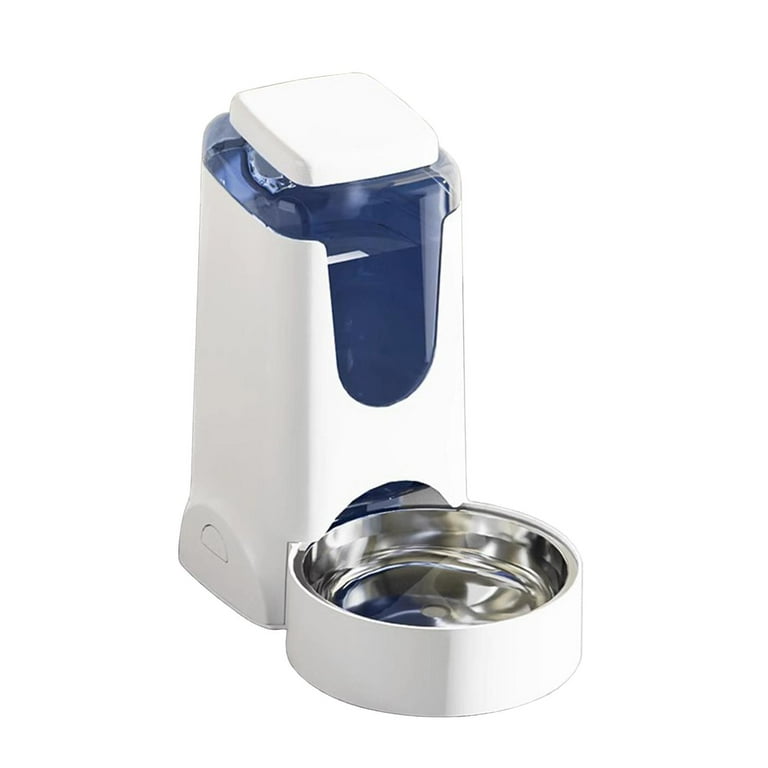
Automatic Dog Waterers: A Guide to Fresh, Convenient Hydration
Fresh water is essential for every dog. An automatic dog waterer can help keep a supply available throughout the day, whether you have a thirsty pup, multiple dogs, or a busy schedule. These devices range from simple gravity-fed bowls to electric fountains that circulate and filter water. The right choice depends on your dog’s habits, your home, and how much cleaning and maintenance you’re prepared to do.
What Is an Automatic Dog Waterer?
An automatic dog waterer is a system designed to refill or circulate water with less frequent manual refilling. Most models fall into one of two categories:
- Gravity-fed waterers: A reservoir releases water into a bowl as the water level drops. They do not require electricity and are generally simple to use.
- Electric water fountains: A pump circulates water, often through a filter. Some dogs are drawn to the movement, and circulation can help keep water tasting fresh, but the unit needs power and regular cleaning.
Some outdoor waterers connect to a garden hose or water line. These can be useful in appropriate settings, but they require careful installation and should be checked frequently to make sure the water supply is safe and working properly.
Potential Benefits
- Convenience: A larger reservoir can mean fewer refills than a standard bowl.
- Steadier access: A properly sized unit can help keep water available between checks.
- Encouragement to drink: Some dogs are interested in moving water, although preferences vary.
- Options for different homes: There are models for small spaces, multi-dog households, and outdoor use.
An automatic waterer is not a substitute for checking your dog’s water regularly. Reservoirs can run low, pumps can stop, and bowls can become dirty or contaminated. Dogs should always have access to clean, drinkable water.
How to Choose the Right Model
Consider Your Dog’s Size and Drinking Habits
A small dog may do well with a compact unit, while a large dog or a household with several pets may need a larger capacity. Think about how much your dog drinks, how often you can refill the unit, and whether your dog tends to splash or move bowls around.
Choose a Material That Suits Your Needs
Automatic waterers commonly use plastic, stainless steel, or ceramic. Stainless steel and ceramic are often chosen for their durable, easy-to-clean surfaces. Plastic models may be lighter and less expensive, but they can scratch over time. Check the manufacturer’s cleaning instructions and replace any unit that becomes cracked or difficult to clean.
Check the Design and Stability
Look for a stable base and a bowl that is comfortable for your dog to use. A fountain should be quiet enough for your household and have a pump that can be removed for cleaning. If your dog has long ears, a deep or narrow drinking area may help keep them out of the water, depending on your dog’s size and shape.
Review Filters and Replacement Parts
Fountains may use filters to catch debris or reduce certain tastes and odors. Filters need to be replaced on the schedule specified by the manufacturer. Before buying, check the cost and availability of replacement filters, pumps, and other parts.
Think About Placement
Place the waterer on a level, easy-to-clean surface away from food bowls, litter areas, and heavy foot traffic. For an electric fountain, keep cords secured and out of your dog’s reach. Outdoor models should be protected from conditions that could damage the unit or affect water quality.
Cleaning and Maintenance
Automatic does not mean maintenance-free. Wash the bowl and reservoir regularly, and follow the product instructions for taking apart and cleaning a fountain pump. Remove hair, food particles, and slime as soon as you notice them. Rinse components thoroughly so detergent does not remain on surfaces your dog will drink from.
Check the water level and condition every day. For electric models, make sure the pump is operating and has enough water to run safely. Replace filters and worn parts as directed by the manufacturer. If the unit develops an unusual smell, visible buildup, or damage, clean it thoroughly or stop using it until the issue is resolved.
Helping Your Dog Adjust
A new fountain or automatic waterer may make some dogs cautious at first. Place it near your dog’s usual water bowl and let your dog investigate at their own pace. Keep the familiar bowl available during the transition, especially if the new device makes noise or has moving water. Once your dog is comfortable using the new waterer, continue to monitor drinking and refill it as needed.
Frequently Asked Questions
Do automatic dog waterers keep water clean?
They can help maintain a supply of water, and some fountains circulate it through a filter. However, no waterer stays clean without regular washing and fresh water. Follow the manufacturer’s cleaning and filter-replacement instructions.
Are fountains better than gravity-fed waterers?
Neither type is best for every dog. A fountain may appeal to a dog that likes moving water, while a gravity-fed model is often simpler and does not need electricity. Consider your dog’s preferences and the amount of maintenance you want to do.
Can an automatic waterer be left unattended?
It can provide added convenience, but it should not be relied on without checks. Inspect the water level and operation regularly, and arrange for someone to check your dog’s supplies whenever you are away.
The Bottom Line
An automatic dog waterer can make it easier to keep water available, but choosing the right model is only part of the equation. Consider your dog’s size and preferences, select a design that is easy to clean, and check the waterer every day. With routine care, it can be a helpful addition to your dog’s daily setup.
8 Essential Tips for Using an Automatic Dog Waterer Effectively
- Choose a waterer sized for your dog.
- Place it on a stable, easy-to-clean surface.
- Rinse and refill it regularly.
- Wash the bowl often to prevent buildup.
- Check the water level every day.
- Use fresh, clean water.
- Inspect the valve or float for clogs.
- Keep the waterer away from food and litter.
Choose a waterer sized for your dog.
Choose an automatic waterer sized for your dog and household. A small dog may be comfortable with a compact bowl and reservoir, while a large dog or a home with multiple pets may need a wider bowl and greater water capacity. The waterer should be easy for your dog to reach and drink from, and large enough to provide water between refills without taking up more space than necessary.
Place it on a stable, easy-to-clean surface.
Place your automatic dog waterer on a stable, level surface to help prevent tipping, spills, and splashing while your dog drinks. Choose an area that’s easy to wipe down, since water and food debris can collect around the bowl. A washable mat underneath can make cleanup even easier and help protect your floors.
Rinse and refill it regularly.
Rinse and refill your dog’s automatic waterer regularly to keep the water fresh and remove dirt, hair, and other debris. Even models with filters need routine cleaning, so follow the manufacturer’s care instructions and check the water level every day.
Wash the bowl often to prevent buildup.
Wash your dog’s automatic waterer bowl often to prevent dirt, saliva, and slimy buildup from collecting on its surface. Rinse it thoroughly after cleaning so no soap residue remains, and follow the manufacturer’s instructions for any removable parts or filters. Regular cleaning helps keep your dog’s water fresh and the bowl pleasant to use.
Check the water level every day.
Check the water level in your automatic dog waterer every day to make sure your dog always has access to fresh water. Reservoirs can empty faster than expected, especially in warm weather or homes with multiple pets, and fountains may stop working if the water drops too low. Refill the unit as needed, and take a moment to check that the water looks clean and the dispenser is working properly.
Use fresh, clean water.
Use fresh, clean water in your automatic dog waterer every day. Empty and rinse the bowl or reservoir regularly to remove hair, food particles, and buildup, then refill it with clean water. Even models with filters need frequent cleaning and filter changes, so follow the manufacturer’s care instructions to help keep your dog’s drinking water fresh.
Inspect the valve or float for clogs.
Inspect the automatic waterer’s valve or float regularly to make sure it moves freely and isn’t blocked by hair, mineral buildup, or debris. A clogged valve or stuck float can prevent the bowl from refilling—or cause it to overflow. Follow the manufacturer’s instructions to clean the parts, then test the waterer to confirm it shuts off and refills properly.
Keep the waterer away from food and litter.
Place your automatic dog waterer away from food bowls and litter boxes to help keep the water clean and appealing. Food crumbs can fall into the bowl, while litter dust or tracked debris may contaminate the drinking area. Choose a quiet, easy-to-clean spot your dog can reach comfortably, and check the water regularly to make sure it stays fresh.
Related Posts

Unlocking the Secrets of Premium Dog Food: A Guide to Nourishing Your Canine Companion
The Importance of Choosing the Right Dog Food The Importance…

Essential Pet Care Tips for Ensuring Your Furry Friend’s Well-Being
The Importance of Pet Care The Importance of Pet Care…
Finding the Perfect Puppy Companion: A Guide to Choosing Your Furry Friend
All About Puppies The Joy of Welcoming a Puppy into…