
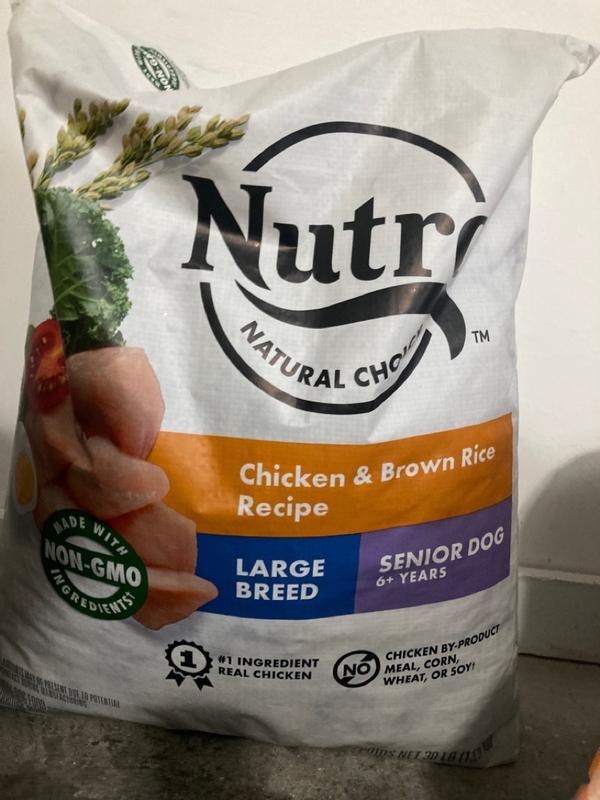
Best Dry Dog Food for Large Dogs: What to Look For
Large dogs have big appetites—and nutritional needs that can differ from those of smaller breeds. The best dry dog food for a large dog is complete and balanced for their life stage, provides suitable calories and nutrients, and agrees with their individual health and digestion. There isn’t one food that is best for every dog, but understanding the options can make choosing easier.
What Makes Large-Breed Dog Food Different?
Large-breed formulas are designed with the needs of bigger dogs in mind. They may offer calorie levels and kibble sizes suited to larger bodies, and some include nutrients such as omega-3 fatty acids. However, labels and ingredients vary by product, so compare the specific formula—not just the words “large breed” on the bag.
For puppies expected to become large adults, choosing an appropriate large-breed puppy food is especially important. These formulas are designed to support steady growth, with carefully controlled energy and mineral levels. Rapid growth and excess weight can put additional stress on developing joints. Ask your veterinarian when to transition your puppy to adult food; timing depends on the dog’s expected adult size and development.
Popular Dry Food Options for Large Dogs
The following established product lines offer formulas made for large dogs. Recipes and availability can change, so check the current package for ingredients, feeding guidance, and its nutritional adequacy statement.
- Purina Pro Plan Large Breed: Offers adult and puppy formulas, including options with different protein sources. It may be worth considering if you want a range of life-stage choices.
- Hill’s Science Diet Large Breed: Includes adult and puppy recipes. Review the specific formula’s life-stage labeling and calorie content to see whether it suits your dog.
- Royal Canin Size Health Nutrition Large Adult: A size-focused adult formula. Check the age and weight range on the package, since products in the line are divided by size and life stage.
- Eukanuba Adult Large Breed: An adult option formulated for large dogs. Compare its calorie density with your dog’s activity level and body condition.
- IAMS ProActive Health Large Breed: A widely available adult formula. As with any food, confirm that the exact recipe is appropriate for your dog’s age and dietary needs.
These are examples, not a ranked list. A food’s suitability depends on the individual dog, and a higher price or a longer ingredient list does not automatically mean it is a better choice.
How to Choose the Right Food
Check the life-stage statement
Choose a food labeled complete and balanced for your dog’s life stage. Adult dogs generally need an adult formula, while growing puppies need food formulated for growth. For puppies expected to weigh at least 70 pounds as adults, look for a statement that the food is appropriate for growth of large-size dogs, or ask your veterinarian to help interpret the label.
Consider calories and body condition
Large dogs can gain excess weight if portions are too generous, even when eating a suitable food. Use the package’s feeding chart as a starting point, then adjust with guidance from your veterinarian. Treats count toward daily calories, too. You should be able to feel your dog’s ribs without pressing hard, and see a waist from above.
Look for a clear nutritional adequacy statement
In the United States, dog food labels include a statement describing whether a product is complete and balanced for a particular life stage. Review that statement rather than relying on marketing terms such as “premium” or “natural.” If your dog has a medical condition, ask your veterinarian before choosing a therapeutic or specialized diet.
Match the food to your dog
Age, activity, health, appetite, and digestion all matter. A highly active dog may need a different calorie intake from a less active dog of the same size. If your dog has persistent itching, vomiting, diarrhea, or other symptoms, consult a veterinarian instead of switching foods repeatedly.
How to Switch Foods
Introduce a new food gradually over about seven to ten days, mixing increasing amounts of the new food with the old. A slower transition may help dogs with sensitive stomachs. Follow your veterinarian’s advice if your dog is on a prescribed diet or has a history of digestive problems.
Frequently Asked Questions
Do large dogs need large-breed food?
Not always. A complete and balanced food appropriate for the dog’s life stage may work well, but a large-breed formula can be a convenient option. Puppies expected to grow into large dogs should be fed a food specifically suitable for large-size growth.
Is grain-free food better for large dogs?
Grain-free food is not automatically healthier. Dogs with a diagnosed food allergy or other dietary need should follow veterinary guidance. If you are considering a grain-free diet, discuss the specific product with your veterinarian, particularly because diet and heart health have been an area of ongoing veterinary review.
How much dry food should a large dog eat?
There is no single portion size for all large dogs. Calorie needs vary with weight, age, activity, and body condition. Start with the package instructions, measure meals consistently, and adjust with your veterinarian’s help.
The Bottom Line
The best dry dog food for a large dog is a complete and balanced formula that fits their life stage, supports a healthy body condition, and works well for their individual needs. Compare the label, measure portions, and consult your veterinarian when choosing food for a puppy, a dog with health concerns, or a dog whose weight or digestion is changing.
Top FAQs About Choosing the Best Dry Dog Food for Large Breeds
- What dog food do vets recommend for large dogs?
- What is the best food to feed large dogs?
- What is the best dry dog food recommended by vets?
- What is the #1 best dog food?
- What is the healthiest food to feed your dog?
- What is the number one healthiest dog food brand?
- What food do vets recommend for dogs?
- What are the top 5 best dry dog foods?
What dog food do vets recommend for large dogs?
Veterinarians generally recommend a complete and balanced dog food that fits a large dog’s age, health, activity level, and body condition—not one brand for every dog. Look for a nutritional adequacy statement for the appropriate life stage, and ask your vet about the specific formula, especially if your dog has a medical condition or needs weight management. For puppies expected to become large dogs, choose a food labeled for growth of large-size dogs to support steady development.
What is the best food to feed large dogs?
The best food for a large dog is a complete and balanced formula suited to their age, activity level, and health needs. For puppies expected to grow into large dogs, choose food labeled for growth of large-size dogs to support steady development. For adults, compare calorie content and feeding guidance, and adjust portions to help maintain a healthy weight. If your dog has a medical condition, sensitive digestion, or changing weight, ask your veterinarian for a personalized recommendation.
What is the best dry dog food recommended by vets?
There isn’t one dry dog food that veterinarians recommend for every large dog. Many vets suggest choosing a complete and balanced food appropriate for your dog’s life stage from a company with qualified nutrition experts, strong quality-control practices, and research behind its diets. Check the nutritional adequacy statement on the label, and ask your veterinarian to recommend a specific formula based on your dog’s age, health, activity level, and body condition.
What is the #1 best dog food?
There isn’t one “#1 best” dog food for every dog. The right choice depends on your dog’s age, size, activity level, health, and preferences. Look for a complete and balanced food appropriate for your dog’s life stage, and for large-breed puppies, choose a formula labeled for growth of large-size dogs. If your dog has a health condition or special dietary needs, ask your veterinarian for a recommendation.
What is the healthiest food to feed your dog?
The healthiest food for your dog is a complete and balanced diet that matches their life stage, size, activity level, and health needs. For large-breed puppies, choose a formula labeled for growth of large-size dogs; adult dogs generally need an adult formula. Check the nutritional adequacy statement on the package, measure portions to help maintain a healthy weight, and ask your veterinarian for guidance if your dog has allergies, digestive issues, or other medical concerns.
What is the number one healthiest dog food brand?
There isn’t one dog food brand that’s the healthiest choice for every large dog. The right option depends on your dog’s age, activity level, health, and individual needs. Look for a complete and balanced food appropriate for their life stage, and compare the nutrition information and feeding guidance on the label. Your veterinarian can help you choose a suitable formula, especially if your dog has a medical condition or needs to manage their weight.
What food do vets recommend for dogs?
Veterinarians don’t recommend one food for every dog; the right choice depends on a dog’s age, health, activity level, and nutritional needs. Many suggest choosing a complete and balanced food from a manufacturer with qualified veterinary nutrition experts, strong quality-control practices, and research behind its formulas. For large dogs, make sure the food is appropriate for the dog’s life stage—especially for puppies expected to grow large—and ask your veterinarian for a recommendation tailored to your dog.
What are the top 5 best dry dog foods?
Five popular dry dog food options for large dogs include Purina Pro Plan Large Breed, Hill’s Science Diet Large Breed, Royal Canin Size Health Nutrition Large Adult, Eukanuba Adult Large Breed, and IAMS ProActive Health Large Breed. Each offers formulas designed for large dogs, but the best choice depends on your dog’s age, health, activity level, and preferences. Check that the specific recipe is complete and balanced for your dog’s life stage, and ask your veterinarian for guidance if your dog is a puppy or has special dietary needs.
Related Posts

Unlocking the Potential: Enhancing Your Pet’s Health with Quality Supplements
The Benefits of Pet Supplements The Benefits of Pet Supplements…

Finding Reliable Dog Babysitting Services Near Me
Dog Babysitting Near Me Finding Reliable Dog Babysitting Near You…
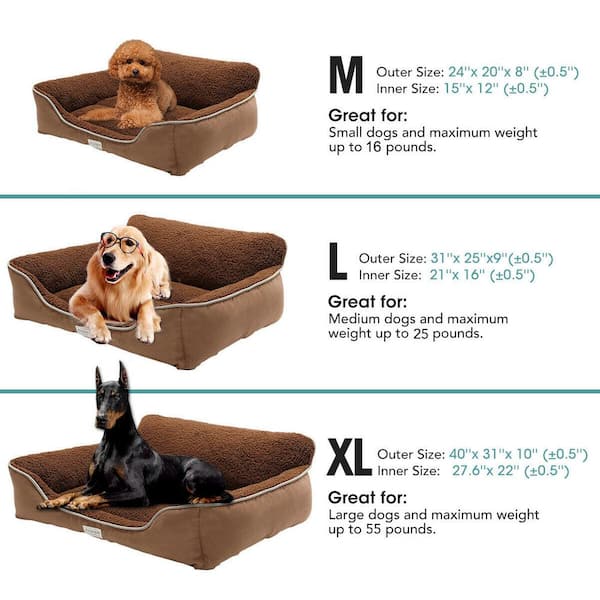
Ultimate Guide to Choosing the Best Washable Dog Bed for Your Furry Friend
The Benefits of a Washable Dog Bed As a dog…