
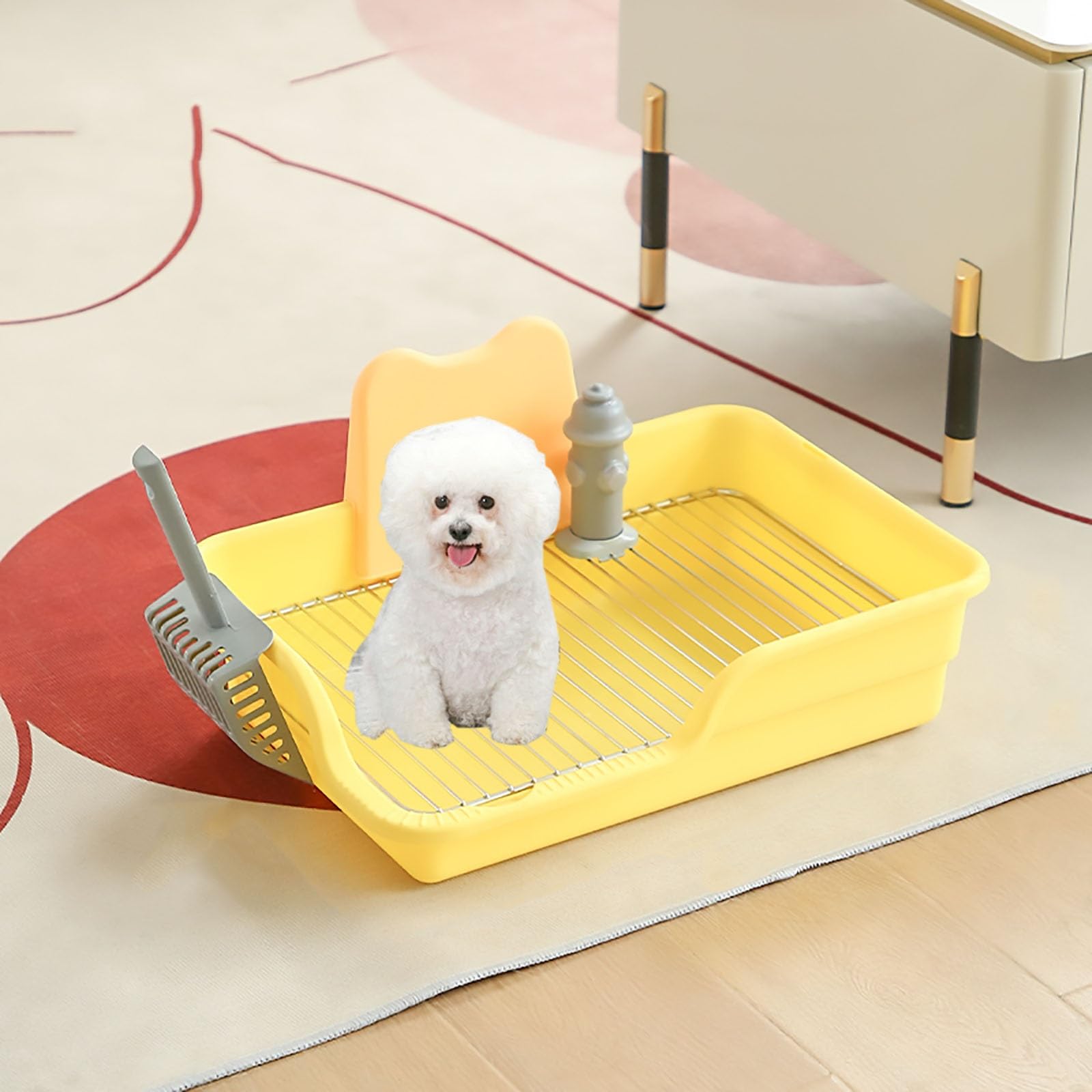
The Convenience of Dog Litter Boxes
For many dog owners, the idea of a litter box for dogs may seem unusual at first. Traditionally associated with cats, litter boxes are now gaining popularity among dog owners for their convenience and practicality.
Just like cats, some dogs can be trained to use a litter box indoors. This can be especially useful for small breeds, elderly dogs, or those living in apartments without easy access to outdoor spaces.
Benefits of Dog Litter Boxes:
- Indoor Convenience: Dog litter boxes provide a designated spot for your pet to relieve themselves indoors, eliminating the need for frequent trips outside.
- Odor Control: Many dog litter boxes come with odor-absorbing features to keep your home smelling fresh.
- Easy Cleanup: Litter boxes for dogs are designed for easy cleaning and maintenance, making them a hassle-free solution for busy pet owners.
- Training Aid: Litter boxes can help in-house training and provide a consistent bathroom area for your dog.
Tips for Introducing a Dog Litter Box:
- Choose the Right Size: Ensure the litter box is large enough for your dog to comfortably use.
- Use Proper Training Techniques: Positive reinforcement and consistency are key when introducing your dog to a new bathroom routine.
- Select the Appropriate Litter: Choose a litter that is safe for dogs and encourages them to use the box.
- Maintain Cleanliness: Regularly clean and refresh the litter box to promote continued use by your dog.
In conclusion, dog litter boxes offer a convenient solution for pet owners looking to provide indoor bathroom options for their canine companions. With proper training and maintenance, these innovative products can enhance both you and your dog’s living experience.
Everything You Need to Know About Training Your Dog to Use a Litter Box: FAQs Answered
- 1. How do I train my dog to use a litter box?
- 2. What type of litter is best for a dog litter box?
- 3. Can all dogs be trained to use a litter box?
- 4. How often should I clean the dog litter box?
- 5. Are there specific sizes of litter boxes for different dog breeds?
- 6. Do dog litter boxes help with potty training puppies?
1. How do I train my dog to use a litter box?
Training a dog to use a litter box can be a gradual process that requires patience and consistency. To start, place the litter box in a designated area where your dog feels comfortable. Encourage your dog to investigate the box by placing treats or toys near it to create positive associations. When your dog shows interest in the box, reward them with praise and treats. Gradually transition your dog’s bathroom routine to the litter box by guiding them to it after meals or naps. If accidents occur outside the box, avoid scolding and instead redirect your dog to the appropriate spot. With positive reinforcement and gentle guidance, most dogs can learn to use a litter box effectively.
2. What type of litter is best for a dog litter box?
When choosing the best type of litter for a dog litter box, it is important to consider your dog’s preferences and any specific needs they may have. Generally, non-clumping litters made from materials such as paper, wood pellets, or grass are recommended for dog litter boxes. These types of litters are absorbent, control odors well, and are safe for dogs if ingested accidentally. Avoid using clumping cat litter as it can be harmful if consumed by dogs. Experimenting with different types of litter can help you determine what works best for your dog’s comfort and hygiene in their litter box.
3. Can all dogs be trained to use a litter box?
Training a dog to use a litter box is possible for many dogs, but not all canines may easily adapt to this method of indoor bathroom training. While some dogs, especially small breeds or those with health issues that limit outdoor access, can be successfully trained to use a litter box, other dogs may struggle with the concept. Factors such as age, breed, and individual temperament play a role in determining whether a dog will take to using a litter box. Patience, consistency, and positive reinforcement are key when attempting to train a dog to use a litter box effectively.
4. How often should I clean the dog litter box?
Regular cleaning of the dog litter box is essential to maintain a hygienic environment for your pet. The frequency of cleaning will depend on factors such as the size of the box, the number of dogs using it, and the type of litter being used. As a general guideline, it is recommended to scoop out solid waste daily and replace the litter entirely every 1-2 weeks. Keeping the dog litter box clean not only ensures your pet’s comfort but also helps prevent odors and promotes good hygiene practices in your home.
5. Are there specific sizes of litter boxes for different dog breeds?
When it comes to dog litter boxes, there are indeed specific sizes available to cater to different dog breeds. It’s essential to choose a litter box that is appropriately sized for your dog to ensure their comfort and ease of use. Smaller breeds may require a smaller litter box, while larger breeds will need a more spacious one. By selecting the right size, you can encourage your dog to use the litter box effectively and make their indoor bathroom experience as convenient as possible.
6. Do dog litter boxes help with potty training puppies?
Dog litter boxes can indeed be helpful tools in potty training puppies. By providing a designated spot for them to relieve themselves indoors, litter boxes can aid in teaching young dogs where it is appropriate to go to the bathroom. Consistent use of a dog litter box can establish a routine for your puppy and reinforce good bathroom habits. Proper training techniques and positive reinforcement are essential when introducing a puppy to a litter box, but with patience and consistency, many puppies can successfully learn to use this convenient indoor option for potty training.
Related Posts
Ultimate Comfort: Dog Beds for Large Dogs to Keep Your Big Pup Cozy
Dog Beds for Large Dogs The Best Dog Beds for…
Delight Your Pup with Nudges Dog Treats: A Tasty Reward for Your Furry Friend
The Benefits of Nudges Dog Treats The Benefits of Nudges…

Ensuring Your Dog’s Healthy Lifestyle: Tips for Keeping Your Canine Companion in Top Shape
Keeping Your Dog Healthy: Tips and Advice Keeping Your Dog…