
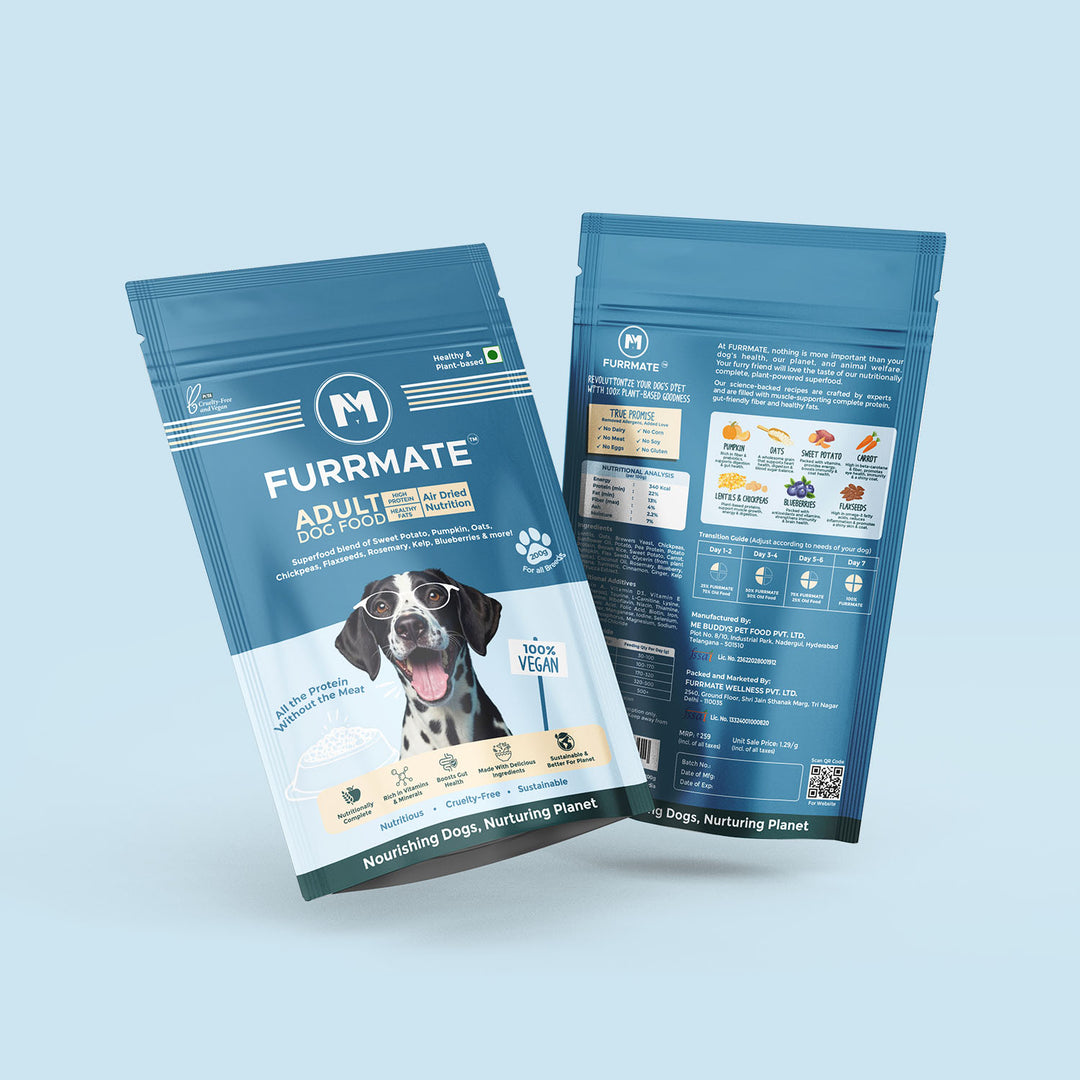
The Benefits and Considerations of Vegetarian Dog Food
As more people adopt vegetarian or vegan lifestyles, the question of whether these dietary choices can extend to their furry companions arises. Vegetarian dog food has gained popularity in recent years, offering an alternative to traditional meat-based diets for dogs. Here, we explore the benefits and considerations of vegetarian dog food.
Benefits of Vegetarian Dog Food
**Health**: High-quality vegetarian dog foods are formulated to provide all the essential nutrients dogs need to thrive. They can be rich in vitamins, minerals, and antioxidants that support overall health.
**Allergies**: Some dogs may have allergies or sensitivities to certain animal proteins. Vegetarian dog food can be a suitable alternative for these dogs, providing a hypoallergenic option.
**Ethical Considerations**: For pet owners who follow a vegetarian or vegan lifestyle due to ethical reasons, choosing vegetarian dog food aligns with their values and beliefs.
Considerations for Vegetarian Dog Food
**Protein Sources**: It’s essential to ensure that vegetarian dog food includes high-quality protein sources such as soy, legumes, and grains to meet your dog’s protein requirements.
**Nutritional Balance**: Work closely with your veterinarian to ensure that your dog’s diet is nutritionally balanced and meets all their dietary needs. Supplements may be necessary to fill any nutritional gaps.
**Transition Period**: When switching your dog to a vegetarian diet, do so gradually to allow their digestive system time to adjust. Monitor your dog’s health and behavior during this transition period.
Conclusion
In conclusion, vegetarian dog food can be a viable option for pet owners looking to provide a plant-based diet for their dogs. By understanding the benefits and considerations associated with vegetarian dog food and working closely with your veterinarian, you can ensure that your furry friend receives a balanced and nutritious diet that supports their well-being.
7 Common Questions About Feeding Your Dog a Vegetarian Diet
- 1. Can dogs thrive on a vegetarian diet?
- 2. What are the key nutrients that need to be included in vegetarian dog food?
- 3. Are there any health risks associated with feeding dogs a vegetarian diet?
- 4. How can I ensure my dog gets enough protein from a vegetarian diet?
- 5. Is it safe to switch my dog from a meat-based diet to a vegetarian diet?
- 6. Are there specific breeds or types of dogs that are more suited for a vegetarian diet?
- 7. Do I need to supplement my dog’s vegetarian diet with vitamins or minerals?
1. Can dogs thrive on a vegetarian diet?
The frequently asked question of whether dogs can thrive on a vegetarian diet sparks much debate among pet owners and experts. While dogs are classified as omnivores, meaning they can consume both plant and animal-based foods, it is essential to ensure that a vegetarian diet for dogs is nutritionally balanced. With careful planning, appropriate protein sources, and consultation with a veterinarian, some dogs can indeed thrive on a well-formulated vegetarian diet. However, individual dietary needs vary among dogs, making it crucial to monitor their health closely and make adjustments as needed to ensure they receive all the essential nutrients for optimal well-being.
2. What are the key nutrients that need to be included in vegetarian dog food?
When considering vegetarian dog food, it is crucial to ensure that key nutrients are included to meet your dog’s dietary requirements. Some essential nutrients that need to be included in vegetarian dog food are high-quality protein sources such as soy, legumes, and grains to support muscle maintenance and overall health. Additionally, vitamins like B12, D, and E, as well as minerals like calcium and iron, are vital for your dog’s well-being. Omega-3 fatty acids from sources like flaxseed or algae can also be beneficial for skin and coat health. Working closely with a veterinarian to formulate a balanced diet that includes these key nutrients is essential to ensure your dog’s nutritional needs are met on a vegetarian diet.
3. Are there any health risks associated with feeding dogs a vegetarian diet?
Feeding dogs a vegetarian diet can come with potential health risks if not properly managed. Dogs have specific nutritional requirements that must be met to support their overall health and well-being. A vegetarian diet for dogs may lack essential nutrients such as protein, vitamins, and minerals that are typically derived from animal sources. It is crucial to work closely with a veterinarian or pet nutritionist to ensure that a vegetarian diet for your dog is nutritionally balanced and meets all their dietary needs. Monitoring your dog’s health and behavior regularly can help identify any potential deficiencies or issues early on. By taking appropriate precautions and seeking professional guidance, you can minimize the health risks associated with feeding dogs a vegetarian diet.
4. How can I ensure my dog gets enough protein from a vegetarian diet?
Ensuring that your dog receives sufficient protein from a vegetarian diet is crucial for their overall health and well-being. When transitioning your dog to a vegetarian diet, it is essential to include high-quality plant-based protein sources such as soy, legumes, and grains in their meals. These sources can provide the necessary amino acids that dogs need for muscle development and overall body function. Working closely with your veterinarian to create a balanced meal plan tailored to your dog’s specific needs can help ensure they receive adequate protein intake from their vegetarian diet. Monitoring your dog’s health and behavior during this transition period is also important to address any potential deficiencies and make adjustments as needed.
5. Is it safe to switch my dog from a meat-based diet to a vegetarian diet?
Switching your dog from a meat-based diet to a vegetarian diet can be safe, but it requires careful consideration and planning. It is essential to consult with a veterinarian before making this dietary change to ensure that your dog’s nutritional needs are met. A gradual transition is recommended to allow your dog’s digestive system to adjust to the new diet. Monitoring your dog’s health and behavior during this transition period is crucial to ensure that they are receiving adequate nutrients from their vegetarian food. With proper guidance and monitoring, many dogs can thrive on a well-balanced vegetarian diet.
6. Are there specific breeds or types of dogs that are more suited for a vegetarian diet?
When considering a vegetarian diet for dogs, it’s essential to understand that individual dietary needs can vary among different breeds and types of dogs. While most dogs can thrive on a well-formulated vegetarian diet, some breeds or types may have specific requirements that need to be taken into account. Larger breeds with higher protein needs, such as working or athletic dogs, may require additional supplementation to meet their energy requirements. Conversely, smaller or less active breeds may adapt well to a vegetarian diet with proper planning and monitoring. Consulting with a veterinarian to determine the suitability of a vegetarian diet based on your dog’s breed, size, activity level, and overall health is crucial in ensuring their nutritional needs are met adequately.
7. Do I need to supplement my dog’s vegetarian diet with vitamins or minerals?
When considering a vegetarian diet for your dog, it is essential to address the question of whether supplementation with vitamins or minerals is necessary. While high-quality vegetarian dog foods are formulated to provide essential nutrients, including protein, vitamins, and minerals, it is advisable to consult with your veterinarian to ensure that your dog’s dietary needs are fully met. Depending on your dog’s individual requirements and the specific vegetarian diet being fed, supplementation may be recommended to maintain optimal health and prevent any potential nutrient deficiencies. Monitoring your dog’s well-being and consulting with a veterinary professional can help determine if additional supplements are needed to support their overall health on a vegetarian diet.
Related Posts
Essential Dog Grooming Bag: Your Ultimate Pet Care Companion
The Ultimate Dog Grooming Bag: A Must-Have for Pet Owners…
Discover the Quality of Authority Dog Food for Your Canine Companion
Authority Dog Food: A Trusted Choice for Your Canine Companion…

Revitalizing Retail: Transforming Traditional Stores for Modern Consumers
The Importance of Physical Stores in a Digital World The…