
Grooming Your Dog: Tips for a Healthy and Happy Pup
Grooming your dog is not just about making them look good; it is an essential part of keeping them healthy and happy. Regular grooming helps prevent skin issues, keeps their coat in good condition, and allows you to check for any abnormalities that may require veterinary attention. Here are some tips to help you groom your dog effectively:
Brushing
Regular brushing helps remove dirt, debris, and loose fur from your dog’s coat. It also prevents matting and tangling, which can be uncomfortable for your pup. The frequency of brushing depends on your dog’s breed and coat type, but aim to brush them at least a few times a week.
Bathing
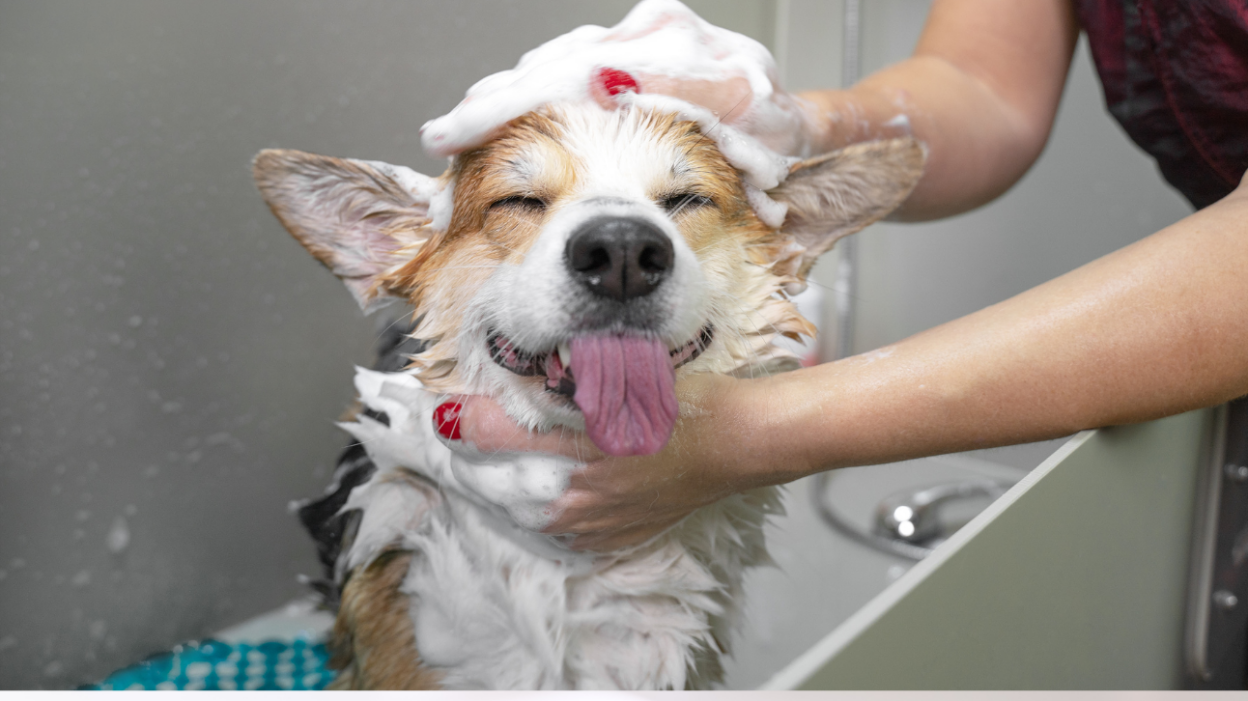
Bathing your dog is necessary to keep their skin clean and their coat healthy. Use a dog-specific shampoo and make sure to rinse thoroughly to avoid skin irritation. The frequency of baths varies depending on your dog’s lifestyle and breed – some dogs may need baths more often than others.
Trimming Nails
Long nails can be uncomfortable for your dog and may cause problems with walking. Regular nail trimming is essential, but be careful not to cut the quick (the blood vessel inside the nail). If you are unsure how to trim your dog’s nails, seek guidance from a professional groomer or veterinarian.
Cleaning Ears
Check your dog’s ears regularly for any signs of infection or irritation. Use a damp cloth or a vet-approved ear cleaning solution to gently wipe the outer part of the ear – avoid inserting anything into the ear canal. If you notice any redness, swelling, or discharge, consult your vet.
Professional Grooming
While regular at-home grooming is important, some dogs may benefit from professional grooming services. Professional groomers have the expertise and tools to give your dog a thorough grooming session that includes trimming hair, cleaning teeth, and expressing anal glands.
Grooming your dog should be a positive experience for both you and your furry friend. Take the time to bond with your pup during grooming sessions and reward them with treats for good behavior. Remember that each dog is unique, so adjust your grooming routine based on their individual needs.
Top 9 FAQs About Dog Grooming: Tips for a Happy and Healthy Pet
- 1. How often should I brush my dog?
- 2. What type of brush is best for my dog’s coat?
- 3. How frequently should I bathe my dog?
- 4. What kind of shampoo should I use for my dog?
- 5. How do I trim my dog’s nails safely?
- 6. What are the signs of ear infection in dogs?
- 7. When should I seek professional grooming services for my dog?
- 8. Can I groom my dog at home or should I go to a professional groomer?
- 9. How can I make grooming a positive experience for my dog?
1. How often should I brush my dog?
Regular brushing is essential for maintaining your dog’s coat health and overall well-being. The frequency of brushing your dog depends on their breed, coat type, and length. In general, most dogs benefit from being brushed a few times a week to prevent matting, remove loose fur, and distribute natural oils for a healthy shine. Breeds with longer or thicker coats may require daily brushing to keep their fur tangle-free and reduce shedding. By establishing a consistent brushing routine based on your dog’s specific needs, you can help promote healthy skin, prevent skin issues, and strengthen the bond between you and your furry companion.
2. What type of brush is best for my dog’s coat?
Choosing the right brush for your dog’s coat is crucial for effective grooming. The type of brush that is best suited for your dog depends on their coat length and texture. For dogs with short coats, a bristle brush or a curry brush works well to remove loose fur and dirt. Dogs with medium to long coats may benefit from a slicker brush to detangle and prevent matting. Breeds with curly or wiry coats often require a grooming rake or a de-shedding tool to maintain their coat’s health and appearance. It’s essential to select a brush that is gentle on your dog’s skin and coat while effectively removing debris and keeping their fur looking its best.
3. How frequently should I bathe my dog?
Determining how often to bathe your dog depends on various factors such as their breed, coat type, and lifestyle. In general, most dogs benefit from a bath every 4 to 6 weeks. However, some breeds with oilier coats may require more frequent bathing, while others with drier skin may only need a bath every few months. It’s essential to use a dog-specific shampoo and to rinse thoroughly to avoid skin irritation. If your dog loves playing in the mud or has a strong odor, you may need to bathe them more frequently. Always observe your dog’s coat and skin condition to determine the ideal bathing schedule that keeps them clean and healthy.
4. What kind of shampoo should I use for my dog?
When choosing a shampoo for your dog, it is important to opt for a product specifically formulated for canine skin and coat. Avoid using human shampoos as they can be too harsh and may cause skin irritation in dogs. Look for dog shampoos that are mild, hypoallergenic, and free from harsh chemicals or fragrances. If your dog has specific skin conditions such as allergies or dry skin, consider consulting with your veterinarian to find a shampoo that suits their needs. Always remember to rinse the shampoo thoroughly to prevent any residue that could lead to skin issues.
5. How do I trim my dog’s nails safely?
Trimming your dog’s nails safely is an important aspect of grooming that requires care and attention. To trim your dog’s nails safely, start by using sharp, high-quality nail clippers designed specifically for dogs. Hold your dog’s paw gently but firmly, and only trim the tip of the nail to avoid cutting the quick, which is the blood vessel inside the nail. If your dog has light-colored nails, you can see the pink quick easily; for dark-colored nails, trim small amounts at a time and stop when you see a black dot in the center – this indicates you are close to the quick. If you are unsure or uncomfortable trimming your dog’s nails, seek guidance from a professional groomer or veterinarian to ensure a safe and stress-free experience for both you and your furry companion.
6. What are the signs of ear infection in dogs?
Ear infections are common in dogs and can cause discomfort if left untreated. Signs of an ear infection in dogs include excessive scratching or rubbing of the ears, redness or swelling of the ear canal, a foul odor coming from the ears, discharge or wax buildup, and shaking of the head or tilting it to one side. If you notice any of these symptoms in your dog, it is essential to consult your veterinarian for a proper diagnosis and treatment plan to ensure your furry companion’s ear health. Regular ear cleaning as part of your grooming routine can help prevent infections and maintain your dog’s overall well-being.
7. When should I seek professional grooming services for my dog?
Knowing when to seek professional grooming services for your dog is essential for their well-being. While regular at-home grooming is important, there are certain situations where professional help may be necessary. If your dog has a coat that requires specialized trimming or styling, such as with certain long-haired breeds, a professional groomer can ensure the job is done correctly. Additionally, if you are unsure about how to safely trim your dog’s nails or clean their ears, seeking the expertise of a professional groomer is recommended. Dogs with skin issues, matting, or behavioral challenges during grooming may also benefit from the care and attention of a professional groomer who can handle these situations effectively. Ultimately, if you feel that your dog’s grooming needs exceed your capabilities or if you want to give your furry friend a spa-like experience, professional grooming services are worth considering.
8. Can I groom my dog at home or should I go to a professional groomer?
When it comes to grooming your dog, the decision to do it at home or seek a professional groomer depends on various factors. Grooming your dog at home can be a rewarding experience, allowing you to bond with your pet while saving money. However, certain breeds may require specialized grooming techniques that are best handled by a professional groomer. Additionally, if you are unsure about how to properly groom specific areas such as nails, ears, or coat trimming, seeking the expertise of a professional groomer is recommended to ensure the safety and well-being of your dog. Ultimately, the choice between grooming at home or visiting a professional groomer should be based on your comfort level, your dog’s individual needs, and the complexity of grooming required for their breed.
9. How can I make grooming a positive experience for my dog?
To make grooming a positive experience for your dog, it’s essential to create a calm and comfortable environment. Start by introducing grooming gradually, using treats and praise to reinforce positive behavior. Keep grooming sessions short and enjoyable, gradually increasing the duration as your dog becomes more comfortable. Use gentle handling and speak in a soothing tone to reassure your dog during the process. Additionally, associate grooming with enjoyable activities like playtime or a walk to make it a rewarding experience for your furry friend. Patience, consistency, and plenty of positive reinforcement are key to ensuring that grooming becomes a pleasant bonding time for you and your dog.
Related Posts

Nourishing Your Pup: The Best Healthy Dog Treats for Your Furry Friend
The Importance of Healthy Dog Treats The Importance of Healthy…

Top Picks for Essential Dog Gear Every Pet Owner Needs
The Essential Dog Gear Every Pet Owner Needs The Essential…

Essential Cat Supplies for Your Feline Friend’s Well-Being
Cat Supplies: Essentials for Your Feline Friend Cat Supplies: Essentials…