
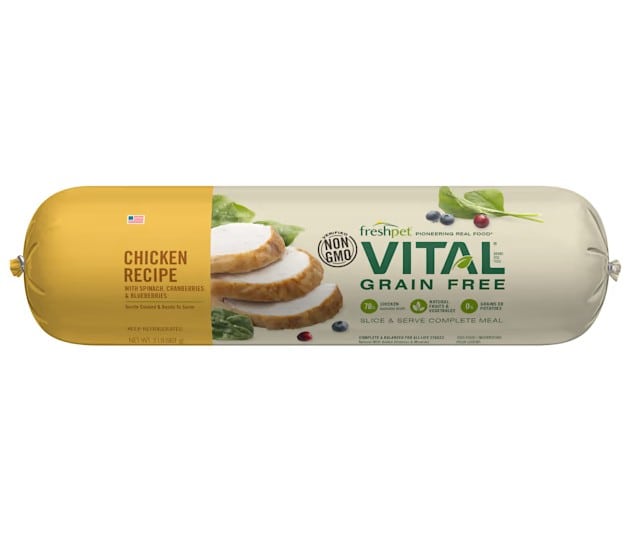
The Benefits of Fresh Dog Food
As pet owners, we always want the best for our furry friends, and that includes providing them with a healthy and balanced diet. One increasingly popular option among dog owners is fresh dog food. Unlike traditional dry or canned dog food, fresh dog food offers a range of benefits that can positively impact your dog’s health and well-being.
Nutritional Value
Fresh dog food is made from high-quality, human-grade ingredients that are minimally processed. This means that the nutrients in the food are more easily absorbed by your dog’s body, leading to better overall health and vitality.
Improved Digestion
Many dogs struggle with digestive issues such as bloating, gas, and diarrhea. Fresh dog food is often easier for dogs to digest compared to heavily processed commercial kibble, making it a great option for dogs with sensitive stomachs.
Better Skin and Coat Health
The high-quality proteins and essential fatty acids found in fresh dog food can help improve your dog’s skin and coat health. Dogs fed a diet rich in fresh ingredients often have shinier coats and healthier skin.
Weight Management
Fresh dog food allows pet owners to have more control over portion sizes and ingredients, making it easier to manage your dog’s weight. This can be especially beneficial for dogs that need to lose or maintain a healthy weight.
Increased Energy Levels
A nutritious diet plays a crucial role in your dog’s energy levels and overall vitality. Fresh dog food provides essential nutrients that can help keep your dog active, alert, and full of energy throughout the day.
In conclusion, opting for fresh dog food can be a fantastic choice for pet owners looking to provide their canine companions with optimal nutrition and health benefits. Before making any dietary changes for your dog, it’s always recommended to consult with your veterinarian to ensure that you are meeting your pet’s specific nutritional needs.
5 Essential Tips for Feeding Your Dog a Fresh Food Diet
- Ensure the fresh dog food is balanced and provides all necessary nutrients.
- Use high-quality ingredients, such as lean meats and fresh vegetables.
- Store fresh dog food properly in the refrigerator to maintain freshness and prevent spoilage.
- Consult with a veterinarian to determine the best diet plan for your dog’s specific needs.
- Gradually transition your dog to a fresh food diet to avoid digestive upset.
Ensure the fresh dog food is balanced and provides all necessary nutrients.
It is crucial to ensure that the fresh dog food you provide is balanced and contains all the necessary nutrients your furry companion needs for optimal health. A well-rounded diet that includes essential proteins, fats, carbohydrates, vitamins, and minerals is key to supporting your dog’s overall well-being. By carefully selecting and preparing fresh ingredients that offer a variety of nutrients, you can help your dog thrive and maintain a healthy lifestyle. Consulting with a veterinarian or pet nutritionist can also help you create a balanced diet plan tailored to your dog’s specific needs.
Use high-quality ingredients, such as lean meats and fresh vegetables.
When preparing fresh dog food, it is essential to use high-quality ingredients like lean meats and fresh vegetables. Lean meats provide essential proteins for your dog’s muscle health, while fresh vegetables offer vitamins and minerals crucial for overall well-being. By incorporating these nutritious ingredients into your dog’s diet, you can ensure they are getting the best possible nutrition to support their health and vitality. Remember, the quality of the ingredients you use directly impacts the quality of your dog’s food and, ultimately, their overall health.
Store fresh dog food properly in the refrigerator to maintain freshness and prevent spoilage.
To ensure the freshness and quality of fresh dog food, it is essential to store it properly in the refrigerator. By refrigerating fresh dog food, you can maintain its nutritional value, prevent spoilage, and extend its shelf life. Proper storage not only keeps the food safe for your furry friend but also helps preserve its flavor and texture. Remember to follow the storage instructions provided by the manufacturer to keep your dog’s meals fresh and delicious.
Consult with a veterinarian to determine the best diet plan for your dog’s specific needs.
It is essential to consult with a veterinarian to determine the best diet plan for your dog’s specific needs when considering fresh dog food. Veterinarians can provide valuable insights into your dog’s individual dietary requirements, taking into account factors such as age, breed, weight, and any existing health conditions. By seeking professional guidance, you can ensure that your dog receives a balanced and tailored diet that promotes their overall health and well-being.
Gradually transition your dog to a fresh food diet to avoid digestive upset.
When transitioning your dog to a fresh food diet, it is essential to do so gradually to prevent any digestive upset. Abruptly changing your dog’s diet can lead to stomach issues such as diarrhea or vomiting. By slowly introducing fresh food into your dog’s meals over a period of time, you allow their digestive system to adjust and adapt to the new diet, minimizing the chances of any discomfort. This gradual transition ensures a smoother adjustment for your dog and helps maintain their overall well-being during the dietary change.
Related Posts
Nourish Your Canine Companion with Hill’s Science Diet Dog Food
Hill's Science Diet Dog Food The Benefits of Hill's Science…
Enhancing Your Wellness Journey: Strategies for a Balanced Life
The Importance of Wellness in Your Daily Life The Importance…
Unlocking the Potential: Nourish Your Puppy with Hill’s Science Diet Puppy Food
Hill's Science Diet Puppy Food The Benefits of Hill's Science…