
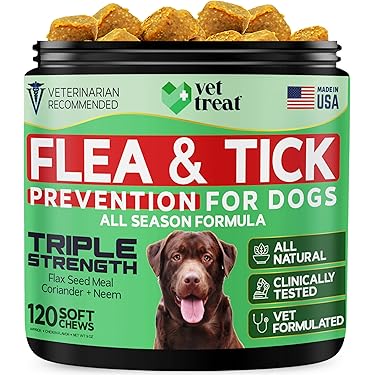
The Importance of Flea Medication for Dogs
Fleas are not only a nuisance for dogs but can also pose serious health risks. These tiny parasites can cause itching, skin irritation, allergies, and even transmit diseases. That’s why it’s crucial for dog owners to take preventive measures and use flea medication regularly.
Types of Flea Medication
There are various types of flea medications available for dogs, including:
- Topical Treatments: Applied directly to the dog’s skin, these treatments provide long-lasting protection against fleas.
- Oral Medications: Pills or chewable tablets that kill fleas when ingested by the dog.
- Collars: Flea collars release chemicals that repel and kill fleas.
- Sprays and Powders: These products can be used to treat the dog’s environment and provide temporary relief from fleas.
Benefits of Using Flea Medication
Regular use of flea medication offers several benefits for dogs and their owners:
- Flea Prevention: By using flea medication consistently, you can prevent infestations before they occur.
- Health Protection: Preventing flea bites can help avoid allergic reactions and reduce the risk of diseases transmitted by fleas.
- Pet Comfort: Keeping your dog free from fleas ensures their comfort and well-being.
- Home Protection: Treating your dog with flea medication also helps protect your home from infestations.
Tips for Using Flea Medication
To ensure the effectiveness of flea medication, follow these tips:
- Consult Your Veterinarian: Your vet can recommend the most suitable flea medication based on your dog’s health and lifestyle.
- Follow Instructions Carefully: Always read and follow the instructions provided with the flea medication to ensure proper application and dosage.
- Maintain Consistency: Use flea medication regularly as recommended to maintain protection against fleas.
Flea medication is an essential part of responsible pet ownership. By taking proactive steps to protect your dog from fleas, you can ensure their health and well-being while enjoying a happy and itch-free companion!
Top 5 FAQs About Flea Medication for Dogs: Types, Usage, Safety, and More
- What are the different types of flea medication available for dogs?
- How often should I apply flea medication to my dog?
- Are there any side effects associated with flea medications for dogs?
- Can I use flea medication on puppies and senior dogs?
- Do I need a prescription from a veterinarian to purchase flea medication for my dog?
What are the different types of flea medication available for dogs?
When it comes to flea medication for dogs, there are several types available to address varying needs. Common options include topical treatments that are applied directly to the skin, oral medications in the form of pills or chewable tablets, flea collars that release chemicals for protection, and sprays/powders for treating both the dog and its environment. Each type of medication offers unique benefits and effectiveness in combating fleas, allowing pet owners to choose the most suitable option based on their dog’s preferences and lifestyle.
How often should I apply flea medication to my dog?
One of the frequently asked questions regarding flea medication for dogs is, “How often should I apply flea medication to my dog?” The frequency of applying flea medication to your dog depends on the type of product you are using. Topical treatments are usually applied once a month, while oral medications may need to be administered more or less frequently based on the specific product and your vet’s recommendations. It is essential to follow the instructions provided by the manufacturer and consult your veterinarian for guidance on the most suitable application schedule for your dog’s health and lifestyle.
Are there any side effects associated with flea medications for dogs?
When considering flea medications for dogs, it’s common to wonder about potential side effects. While most flea medications are safe and effective when used as directed, some dogs may experience mild side effects such as skin irritation, itching, or digestive issues. It’s essential to consult with your veterinarian before choosing a flea medication to ensure it is suitable for your dog’s specific needs and health condition. Monitoring your dog after administering the medication and following the recommended dosage can help minimize the risk of any adverse reactions.
Can I use flea medication on puppies and senior dogs?
When it comes to using flea medication on puppies and senior dogs, it is essential to consult with your veterinarian before administering any treatment. Puppies have delicate immune systems that may react differently to certain medications, so it’s crucial to use products specifically designed for their age and weight. Similarly, senior dogs may have underlying health conditions that could interact with flea medication, making it important to seek professional advice. Your veterinarian can recommend safe and appropriate flea treatments tailored to the specific needs of your puppy or senior dog, ensuring their health and well-being are prioritized.
Do I need a prescription from a veterinarian to purchase flea medication for my dog?
When it comes to purchasing flea medication for your dog, the need for a prescription from a veterinarian depends on the type of medication you are considering. Some flea medications, such as certain topical treatments and collars, can be purchased over-the-counter without a prescription. However, other options, like oral medications or specific prescription-strength treatments, may require a prescription from a licensed veterinarian. It is always recommended to consult with your vet to determine the most suitable flea medication for your dog’s individual needs and to ensure proper usage and dosage.
Related Posts

Discover the Best Dog Grooming Products for Your Furry Friend
Best Dog Grooming Products The Top Dog Grooming Products Every…

Exploring the Benefits of Dog Daycare: A Guide for Pet Owners
The Benefits of Dog Daycare The Benefits of Dog Daycare…
Elevate Your Pup’s Style with Premium Dog Collars and Leashes
Premium Dog Collars and Leashes The Importance of Premium Dog…