
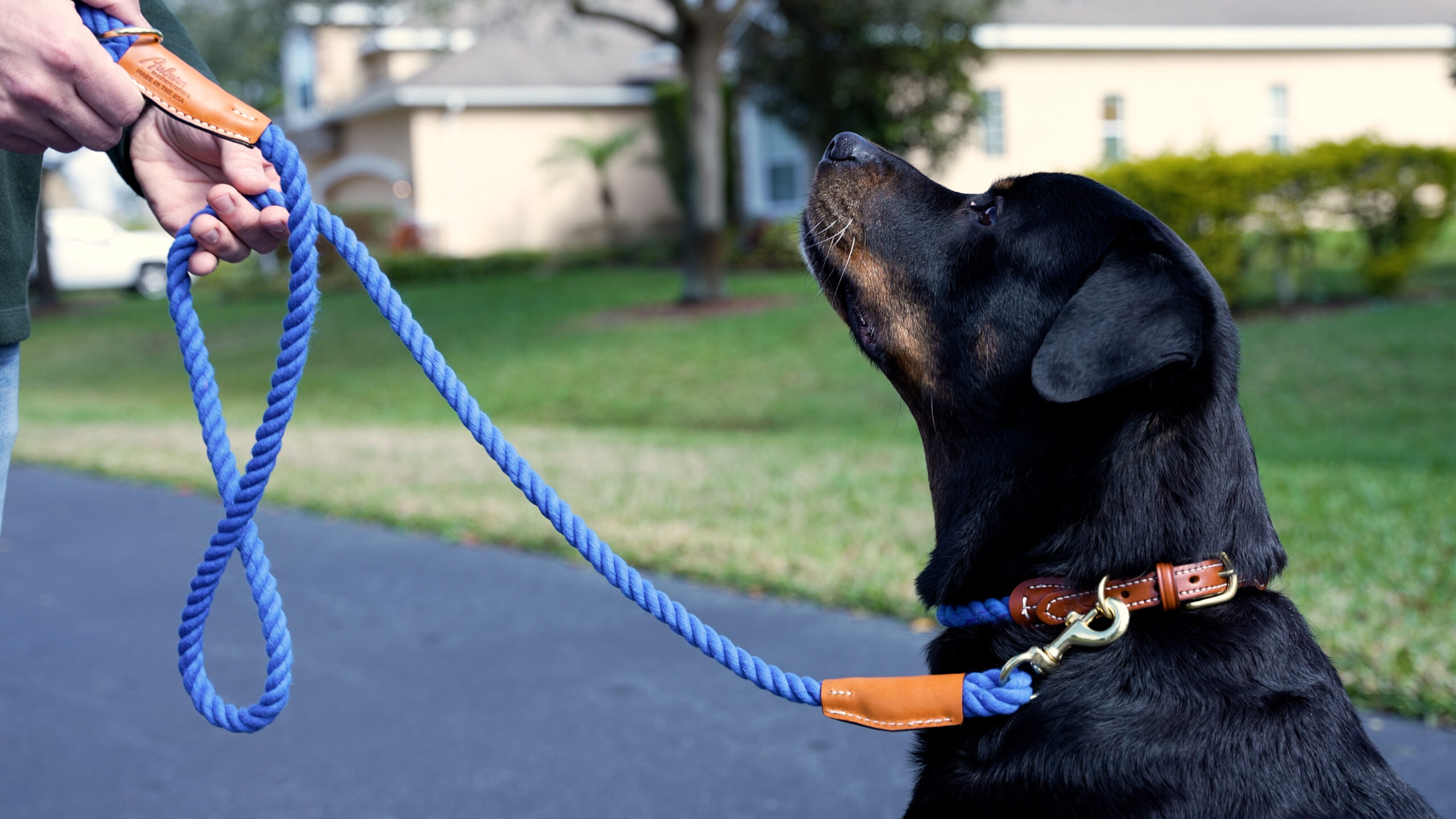
The Importance of Dog Collars and Leashes
Dog collars and leashes are essential accessories for every dog owner. Not only do they serve practical purposes, but they also play a crucial role in keeping your furry friend safe and secure.
Collars:
A dog collar is more than just a fashion statement. It provides a means of identification for your pet, displaying important information such as their name and contact details in case they get lost. Collars also serve as a base for attaching identification tags, licenses, and even medical information.
Additionally, collars are used for training purposes. They can be equipped with tags that indicate your dog’s temperament or training needs. For example, a “friendly” tag can alert others that your dog is approachable, while a “training” tag can signify that your dog is in the process of learning commands.
Leashes:
A leash is a vital tool for controlling your dog during walks or outdoor activities. It helps prevent your pet from running off or getting into potentially dangerous situations. Leashes come in various lengths and materials to suit different needs and preferences.
Training with a leash teaches your dog to walk beside you without pulling or wandering off. It promotes good behavior and ensures both your safety and that of others around you. Using a leash also allows you to comply with local leash laws and regulations.
Conclusion:
Investing in high-quality collars and leashes is an investment in your dog’s well-being. These accessories not only help keep your pet safe but also strengthen the bond between you through training and outdoor activities. Remember to choose collars and leashes that are comfortable for your dog while providing the necessary control.
Essential FAQs About Choosing and Using Dog Collars and Leashes
- 1. What size collar should I get for my dog?
- 2. How do I measure my dog’s neck for a collar?
- 3. What materials are best for dog collars to prevent irritation?
- 4. How often should I replace my dog’s collar and leash?
- 5. Are there specific collars recommended for training purposes?
- 6. What type of leash is best for different activities like walking or running?
- 7. How can I prevent my dog from pulling on the leash during walks?
- 8. Are there any safety tips to keep in mind when using a collar and leash with my dog?
1. What size collar should I get for my dog?
When determining the size of a collar for your dog, it is crucial to consider the breed, age, and weight of your pet. Measure your dog’s neck circumference accurately using a flexible tape measure to ensure a proper fit. It is recommended to leave enough room for two fingers to fit comfortably between the collar and your dog’s neck to prevent it from being too tight or too loose. Additionally, adjustable collars are a versatile option that can accommodate your dog’s growth or fluctuations in weight. Consulting with a veterinarian or pet store professional can also provide guidance in selecting the right size collar for your furry companion.
2. How do I measure my dog’s neck for a collar?
When measuring your dog’s neck for a collar, it is essential to use a flexible tape measure or a piece of string to get an accurate measurement. Start by wrapping the tape measure or string around the base of your dog’s neck, where the collar will sit. Make sure to leave enough room for two fingers to fit comfortably between the tape measure or string and your dog’s neck. This extra space ensures that the collar is not too tight and allows for proper comfort and movement. Taking precise measurements will help you select the right size collar for your furry friend, ensuring a secure and comfortable fit.
3. What materials are best for dog collars to prevent irritation?
When considering the best materials for dog collars to prevent irritation, it is essential to prioritize comfort and durability. Opting for soft and hypoallergenic materials such as nylon, leather, or neoprene can help prevent skin irritation in dogs with sensitive skin. These materials are gentle on the fur and skin, reducing the risk of chafing or allergic reactions. Additionally, choosing adjustable collars with smooth edges and secure fastenings can further enhance your pet’s comfort while ensuring a proper fit that minimizes rubbing or discomfort.
4. How often should I replace my dog’s collar and leash?
It is recommended to regularly inspect your dog’s collar and leash for signs of wear and tear. Depending on the material and usage, dog collars and leashes may need replacement every 6 months to a year. Factors such as your dog’s activity level, exposure to water, and overall wear can affect the lifespan of these accessories. It is important to replace them promptly if you notice any fraying, weakening, or damage that could compromise their effectiveness in keeping your pet safe and secure. Regularly updating your dog’s collar and leash ensures their continued safety and comfort during walks and outings.
5. Are there specific collars recommended for training purposes?
When it comes to training purposes, there are specific collars recommended by dog trainers and behaviorists. One commonly recommended training collar is the martingale collar, which provides gentle control and prevents dogs from slipping out of their collars. Another option is the head halter, which gives owners more control over their dog’s head movements, aiding in training and behavior correction. It’s essential to consult with a professional trainer to determine the best collar for your dog’s specific training needs and temperament.
6. What type of leash is best for different activities like walking or running?
When choosing a leash for different activities like walking or running with your dog, it’s important to consider the specific needs of both you and your pet. For casual walks in the neighborhood, a standard nylon or leather leash of about 4 to 6 feet in length provides enough control and freedom for your dog to explore comfortably. If you enjoy jogging or running with your furry companion, a hands-free waist leash or a bungee leash can be ideal options as they allow for a more active lifestyle while keeping your hands free. Reflective leashes are recommended for evening walks or runs to enhance visibility and safety. Ultimately, selecting the best leash type depends on the activity level, size, and behavior of your dog as well as your personal preferences.
7. How can I prevent my dog from pulling on the leash during walks?
To prevent your dog from pulling on the leash during walks, consistent training and positive reinforcement are key. Start by teaching your dog basic leash manners, such as walking beside you without pulling. Use treats or rewards to encourage good behavior and redirect your dog’s attention back to you whenever they start pulling. Practice walking in different environments to reinforce the training. Additionally, consider using a front-clip harness or a head halter to discourage pulling by redirecting your dog’s forward momentum. With patience and practice, you can help your dog learn to walk politely on a leash.
8. Are there any safety tips to keep in mind when using a collar and leash with my dog?
When using a collar and leash with your dog, it is important to prioritize safety. Here are some key tips to keep in mind: Always ensure that the collar fits properly – it should be snug but not too tight to restrict breathing or too loose to slip off. Choose a sturdy leash made of durable material that can withstand your dog’s strength and size. Regularly check the condition of the collar and leash for any signs of wear and tear, replacing them if needed. When walking your dog, maintain a firm grip on the leash to prevent sudden lunges or escapes. Avoid using retractable leashes in busy or high-traffic areas to maintain better control over your pet. By following these safety tips, you can enjoy walks with your dog while keeping them secure and comfortable.
Related Posts

Unlocking the Benefits of High-Quality Products: A Guide to Smart Shopping
The Importance of High-Quality Products The Importance of High-Quality Products…
Choosing the Perfect Dog Collar and Leash: A Guide for Pet Owners
The Importance of Choosing the Right Dog Collar and Leash…
The Ultimate Guide to Dog Care: Ensuring Your Canine Companion’s Well-being
The Importance of Dog Care The Importance of Dog Care…