
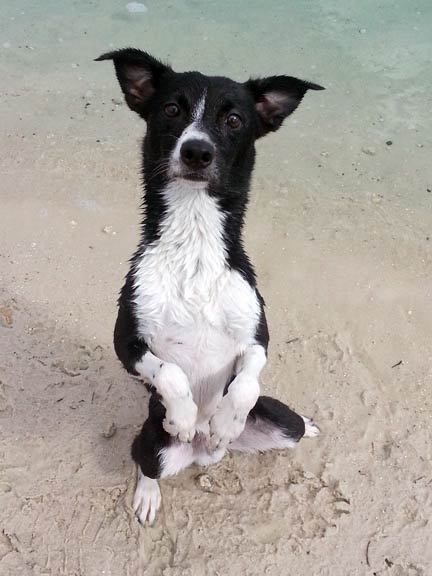
The Importance of Dog Sitting
Dog sitting plays a crucial role in ensuring the well-being and happiness of our furry friends when we are unable to be with them. Whether it’s due to work commitments, travel, or other reasons, having a reliable dog sitter can make all the difference in your dog’s life.
Benefits of Dog Sitting:
- Companionship: Dogs are social animals and thrive on companionship. A dog sitter provides much-needed interaction and prevents loneliness.
- Exercise: Regular walks and playtime are essential for a dog’s physical and mental health. A dog sitter ensures your pup gets the exercise they need.
- Routine: Dogs thrive on routine. A consistent schedule for feeding, walks, and play helps reduce stress and anxiety in dogs.
- Safety: A dog sitter can keep an eye on your pet and ensure their safety, especially if they have specific medical needs or behavioral issues.
- Piece of Mind: Knowing that your dog is in good hands while you’re away can give you peace of mind and allow you to focus on your other responsibilities.
Whether you opt for in-home dog sitting, daycare services, or boarding facilities, choosing the right care for your dog is essential. Consider your dog’s personality, needs, and preferences when selecting a dog sitter to ensure a positive experience for both you and your furry companion.
Top 5 Benefits of Dog Sitting: Ensuring Companionship, Exercise, and Peace of Mind
- Provides companionship and social interaction for your dog.
- Ensures your dog gets regular exercise and playtime.
- Maintains a consistent routine for feeding, walks, and activities.
- Promotes safety and supervision, especially for dogs with special needs.
- Offers peace of mind knowing your dog is well-cared for in your absence.
Challenges of Dog Sitting: Addressing Anxiety, Compatibility, Costs, and Care Quality
- Potential for separation anxiety in some dogs when their owners are away.
- Risk of your dog not getting along with the dog sitter or other pets in the sitter’s care.
- Costs associated with professional dog sitting services can add up, especially for long-term or frequent needs.
- Limited availability of trustworthy and reliable dog sitters in some areas.
- Concerns about the quality of care provided by a dog sitter compared to personal attention from the owner.
- Difficulty in finding a suitable dog sitter who can accommodate specific dietary or medical needs of your pet.
Provides companionship and social interaction for your dog.
Dog sitting offers a valuable benefit by providing companionship and social interaction for your furry friend. Dogs are social animals that thrive on human interaction and the presence of companions. A dog sitter not only ensures that your dog is never left alone for extended periods but also engages them in play, walks, and affectionate interactions, fulfilling their need for companionship and preventing loneliness. This aspect of dog sitting contributes significantly to your dog’s overall well-being and happiness, enhancing their quality of life in your absence.
Ensures your dog gets regular exercise and playtime.
One significant benefit of dog sitting is that it ensures your dog gets regular exercise and playtime. Dogs need physical activity to stay healthy and happy, and a dog sitter can provide the necessary stimulation through walks, play sessions, and interactive games. By engaging in regular exercise and playtime, your dog can maintain their physical fitness, mental well-being, and overall quality of life. This aspect of dog sitting helps prevent boredom, promotes socialization, and strengthens the bond between your dog and the caregiver.
Maintains a consistent routine for feeding, walks, and activities.
Maintaining a consistent routine for feeding, walks, and activities is a significant benefit of dog sitting. Dogs thrive on predictability and structure in their daily lives, and having a reliable dog sitter ensures that these essential aspects of their routine are upheld even when their owners are away. Consistency in feeding times helps regulate their digestion and prevents unnecessary stress, while regular walks and engaging activities contribute to their physical health and mental well-being. By sticking to a familiar schedule, dog sitters provide comfort and stability for dogs, promoting a sense of security and contentment during their owners’ absence.
Promotes safety and supervision, especially for dogs with special needs.
Dog sitting promotes safety and supervision, particularly for dogs with special needs. Professional dog sitters are trained to cater to the specific requirements of each dog, whether it’s administering medication, managing mobility issues, or providing extra attention. With a dedicated dog sitter overseeing their care, dogs with special needs can receive the personalized attention and monitoring necessary to ensure their well-being and safety at all times. This level of specialized care and supervision offers peace of mind to pet owners, knowing that their beloved companions are in capable hands.
Offers peace of mind knowing your dog is well-cared for in your absence.
One of the significant advantages of dog sitting is the peace of mind it offers to dog owners. Knowing that your beloved pet is being well-cared for in your absence can alleviate any worries or concerns you may have while you are away. A reliable and experienced dog sitter ensures that your dog’s needs are met, from feeding and exercise to companionship and safety, allowing you to relax and focus on your other responsibilities with confidence that your furry friend is in good hands.
Potential for separation anxiety in some dogs when their owners are away.
The potential for separation anxiety in some dogs is a significant con of dog sitting. Dogs that are particularly attached to their owners may experience distress and anxiety when left in the care of a sitter, especially if they are not accustomed to being away from their familiar environment and routines. This can lead to behaviors such as excessive barking, destructive chewing, or attempts to escape. Dog sitters need to be aware of these signs of separation anxiety and take appropriate steps to provide comfort and reassurance to the anxious dog during the owner’s absence.
Risk of your dog not getting along with the dog sitter or other pets in the sitter’s care.
One significant downside of dog sitting is the potential risk that your dog may not get along with the dog sitter or other pets under the sitter’s care. Introducing a new person or animals into your dog’s environment can sometimes lead to conflicts, stress, or even aggression. This situation can be challenging for both your dog and the sitter, as it may disrupt the peace and harmony that is essential for a positive pet-sitting experience. Proper introduction protocols, clear communication with the sitter, and understanding your dog’s behavior can help mitigate this risk and ensure a smoother interaction between all parties involved.
Costs associated with professional dog sitting services can add up, especially for long-term or frequent needs.
The con of dog sitting lies in the potential financial burden it can impose, particularly with professional services. Costs associated with hiring a professional dog sitter can accumulate quickly, especially for long-term or frequent care requirements. While the well-being of our canine companions is paramount, the financial aspect of dog sitting can pose a challenge for pet owners looking to provide the best care for their furry friends while balancing their budget. It’s essential for pet owners to weigh the costs against the benefits and explore alternative options that may better suit their financial circumstances.
Limited availability of trustworthy and reliable dog sitters in some areas.
In some areas, a significant drawback of dog sitting is the limited availability of trustworthy and reliable dog sitters. Finding a qualified and dependable individual to care for your beloved pet can be challenging, especially in regions where professional dog sitting services are scarce. This scarcity can lead to difficulties in securing proper care for your dog when needed, potentially causing stress and concern for pet owners who rely on external assistance for their furry friends. It is essential for pet owners to thoroughly research and vet potential dog sitters to ensure the safety and well-being of their dogs in such circumstances.
Concerns about the quality of care provided by a dog sitter compared to personal attention from the owner.
Concerns about the quality of care provided by a dog sitter compared to personal attention from the owner can be a significant con of dog sitting. Dog owners often worry that a hired sitter may not be able to offer the same level of love, attention, and familiarity that they provide to their furry friend. Owners may fear that their dog could feel stressed or anxious in the absence of their familiar presence. Building trust with a dog sitter and ensuring open communication about the dog’s needs and routines are crucial steps in addressing this concern and ensuring that the dog receives adequate care and affection in the owner’s absence.
Difficulty in finding a suitable dog sitter who can accommodate specific dietary or medical needs of your pet.
One of the challenges of dog sitting is the difficulty in finding a suitable dog sitter who can accommodate specific dietary or medical needs of your pet. Dogs with allergies, sensitivities, or chronic conditions may require specialized diets or medications that not all sitters are equipped to handle. Ensuring that your dog’s unique requirements are met while you are away can be a daunting task, requiring thorough research and communication with potential sitters to find the right match for your furry friend’s well-being and comfort.
Related Posts
Enhance Mealtime with Premium Dog Bowls and Feeders
The Importance of Dog Bowls and Feeders The Importance of…
Nourish Your Pup with Digestive Care Dog Food for Optimal Health
The Importance of Digestive Care Dog Food The Importance of…
Discover the Best of KONG Dog Products for Your Canine Companion
KONG Dog Products The Exciting World of KONG Dog Products…