
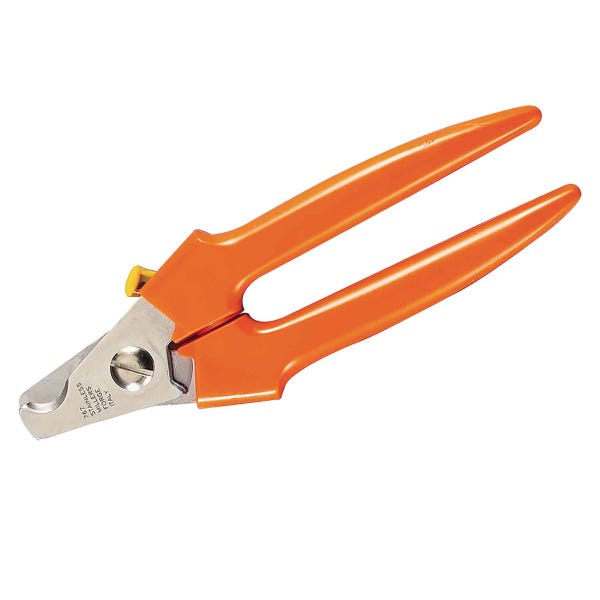
The Importance of Using a Dog Nail Trimmer
Regular nail trimming is an essential part of your dog’s grooming routine. Just like humans, dogs need their nails trimmed to maintain good health and prevent potential issues. One tool that can make this task easier and more effective is a dog nail trimmer.
Benefits of Using a Dog Nail Trimmer:
- Prevents Overgrowth: Long nails can cause discomfort and even lead to health problems for your dog. A nail trimmer helps prevent overgrowth by keeping your dog’s nails at a healthy length.
- Improves Mobility: Dogs with overgrown nails may have difficulty walking or running properly. Regular trimming with a nail trimmer can improve your dog’s mobility and overall quality of life.
- Reduces Damage: Long nails can scratch floors, furniture, and even people. By using a nail trimmer, you can reduce the risk of damage caused by your dog’s nails.
- Enhances Hygiene: Dirt and debris can get trapped under long nails, leading to infections or other health issues. Keeping your dog’s nails trimmed with a nail trimmer promotes better hygiene.
Tips for Using a Dog Nail Trimmer:
When using a dog nail trimmer, it is important to follow these tips for a safe and effective grooming session:
- Choose the Right Trimmer: Select a nail trimmer that is suitable for your dog’s size and nail type.
- Be Gentle: Approach the trimming process calmly and gently to avoid causing stress or injury to your dog.
- Avoid Cutting the Quick: Be cautious not to cut into the quick, the sensitive part of the nail that contains blood vessels and nerves.
- Reward Your Dog: Reward your dog with treats or praise after each successful trimming session to create positive associations with nail grooming.
In conclusion, using a dog nail trimmer is an important practice for maintaining your pet’s health and well-being. By incorporating regular nail trimming into your grooming routine, you can help keep your furry friend happy, healthy, and comfortable.
Top 5 FAQs About Dog Nail Trimming: Tips and Tools for a Stress-Free Experience
- 1. How often should I trim my dog’s nails?
- 2. What type of nail trimmer is best for my dog?
- 3. How do I know if I have cut the quick while trimming my dog’s nails?
- 4. My dog is scared of nail trimming, how can I make the process easier?
- 5. Are there any alternatives to using a nail trimmer for keeping my dog’s nails short?
1. How often should I trim my dog’s nails?
Regular nail trimming is crucial for your dog’s overall health and well-being. One frequently asked question regarding dog nail trimming is, “How often should I trim my dog’s nails?” The frequency of nail trimming can vary depending on your dog’s activity level, breed, and the environment in which they spend their time. In general, most dogs benefit from having their nails trimmed every 2 to 4 weeks to maintain an appropriate length that promotes comfort and mobility. However, it is essential to monitor your dog’s nails regularly and trim them as needed to prevent overgrowth and potential health issues. Consulting with your veterinarian or a professional groomer can also help determine the ideal nail trimming schedule for your furry companion.
2. What type of nail trimmer is best for my dog?
When considering the best type of nail trimmer for your dog, it is important to take into account your dog’s size, nail thickness, and your comfort level with using the tool. For smaller dogs with thinner nails, a scissor-type nail trimmer may be suitable. Guillotine-style trimmers work well for medium-sized dogs with average nail thickness. If your dog has thick nails or if you prefer a more precise cut, a grinder-type nail trimmer might be the best choice. Ultimately, the best type of nail trimmer for your dog is one that you feel confident using and that suits your dog’s specific needs.
3. How do I know if I have cut the quick while trimming my dog’s nails?
When trimming your dog’s nails, it can be concerning to accidentally cut the quick, the sensitive part of the nail that contains blood vessels and nerves. If you have cut the quick, you may notice bleeding, which can be stopped by applying styptic powder or using a clean cloth to apply pressure. Your dog may also show signs of discomfort or pain, such as whimpering or pulling away. It’s essential to stay calm and reassure your pet if this happens. To avoid cutting the quick in the future, take care to trim small amounts of nail at a time and have styptic powder or cornstarch on hand as a precaution.
4. My dog is scared of nail trimming, how can I make the process easier?
Many dogs can be fearful or anxious when it comes to nail trimming, making the process challenging for both the pet and the owner. To make the nail trimming experience easier for a dog who is scared, it is important to introduce positive reinforcement techniques and desensitization methods. Start by associating the nail trimmer with positive experiences, such as offering treats or praise during handling sessions without actually trimming the nails. Gradually accustom your dog to the sight and sound of the nail trimmer before attempting to trim their nails. Patience, consistency, and gentle encouragement are key to helping your dog overcome their fear of nail trimming and making the process a more comfortable and stress-free experience for them.
5. Are there any alternatives to using a nail trimmer for keeping my dog’s nails short?
For pet owners who prefer alternatives to using a nail trimmer for keeping their dog’s nails short, there are a few options to consider. Regular walks on hard surfaces like concrete can help naturally wear down a dog’s nails to some extent. Additionally, providing your dog with scratching posts or pads can aid in keeping their nails at a manageable length. However, it’s important to note that these methods may not be as precise or effective as using a nail trimmer, especially for dogs with fast-growing nails or specific nail care needs. Consulting with a veterinarian or professional groomer can help determine the best approach for maintaining your dog’s nail health.
Related Posts
Top Picks: Best Dog Food for German Shepherds
Best Dog Food for German Shepherds The Best Dog Food…
Indulge Your Pup with Charlee Bear Dog Treats: A Delicious Reward for Your Furry Friend
Article: Charlee Bear Dog Treats Discover the Delight of Charlee…

Unlocking the Secrets of Premium Dog Food: A Guide to Nourishing Your Canine Companion
The Importance of Choosing the Right Dog Food The Importance…