
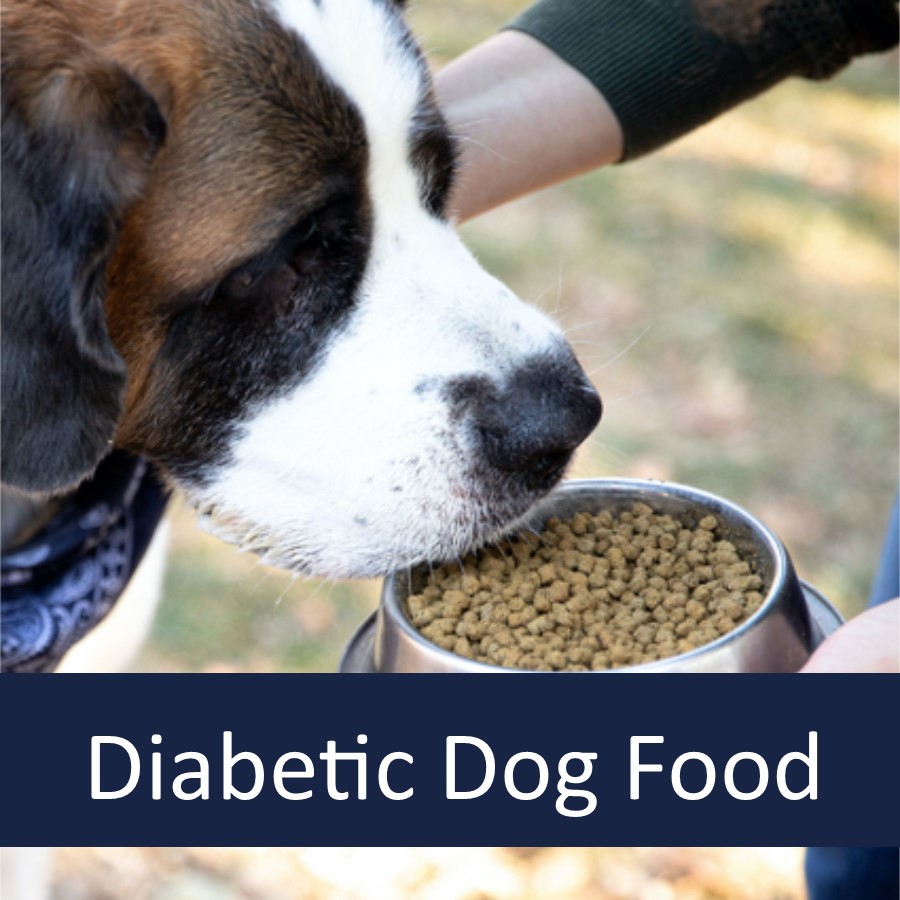
The Importance of Diabetic Dog Food
Just like humans, dogs can also suffer from diabetes, a condition that affects their blood sugar levels. Managing diabetes in dogs requires proper care, including a well-balanced diet tailored to their specific needs. Diabetic dog food plays a crucial role in helping your furry friend maintain stable blood sugar levels and overall health.
Key Features of Diabetic Dog Food:
- Low Glycemic Index: Diabetic dog food is formulated with ingredients that have a low glycemic index to prevent spikes in blood sugar levels.
- High-Quality Protein: Protein is essential for dogs, especially those with diabetes. High-quality protein sources help maintain muscle mass and regulate blood sugar.
- Fiber Content: Adequate fiber content aids in digestion and helps control blood glucose levels in diabetic dogs.
- Balanced Nutrients: Diabetic dog food is carefully balanced with essential nutrients to support your dog’s overall health and well-being.
Tips for Feeding a Diabetic Dog:
When feeding diabetic dog food to your pet, it’s important to follow these tips:
- Consult Your Veterinarian: Before making any dietary changes, consult your veterinarian for guidance on the best diabetic dog food for your pet.
- Monitor Portion Sizes: Proper portion control is key to managing your dog’s weight and blood sugar levels.
- Stick to a Routine: Consistency in feeding times and portions helps regulate your dog’s insulin levels.
- Regular Exercise: Along with a balanced diet, regular exercise is important for maintaining your diabetic dog’s overall health.
In conclusion, choosing the right diabetic dog food and following a proper feeding routine are essential steps in managing diabetes in dogs. By providing your furry companion with the necessary nutrition and care, you can help them lead a happy and healthy life despite their condition.
Top 5 FAQs About Feeding and Caring for Diabetic Dogs
- What is the best thing to feed a diabetic dog?
- Can you give a dog insulin if they don’t eat?
- What is the best meat for diabetic dogs?
- What foods should diabetic dogs avoid?
- What makes diabetic dog food different?
What is the best thing to feed a diabetic dog?
When considering the best diet for a diabetic dog, it is essential to focus on high-quality, specially formulated diabetic dog food. These types of food are designed to have a low glycemic index, provide balanced nutrition, and support stable blood sugar levels. Consulting with a veterinarian is crucial to determine the most suitable diet plan for your diabetic dog. Additionally, maintaining portion control, monitoring carbohydrate intake, and ensuring adequate protein and fiber content in their meals are key factors in managing their condition effectively. By following these guidelines and working closely with your vet, you can help your diabetic dog maintain optimal health and well-being through proper nutrition.
Can you give a dog insulin if they don’t eat?
For diabetic dogs, it is crucial to maintain a consistent eating schedule to coincide with insulin administration. If a diabetic dog refuses to eat, it is generally not recommended to administer insulin as it can lead to dangerously low blood sugar levels (hypoglycemia). In such cases, it is important to consult with a veterinarian for guidance on how to proceed. Veterinarians may offer alternative solutions or adjustments to the insulin dosage based on the specific situation of the dog. Monitoring your dog’s eating habits and working closely with your vet are essential in managing diabetes and ensuring your pet’s well-being.
What is the best meat for diabetic dogs?
When it comes to choosing the best meat for diabetic dogs, lean proteins are often recommended. Lean meats such as chicken, turkey, and fish are excellent options for diabetic dogs as they are low in fat and help maintain stable blood sugar levels. These meats provide high-quality protein that is essential for muscle health and overall well-being. It is important to consult with your veterinarian to determine the most suitable meat options for your diabetic dog based on their specific dietary needs and health condition.
What foods should diabetic dogs avoid?
Diabetic dogs should avoid certain foods that can negatively impact their blood sugar levels and overall health. Foods high in sugar and carbohydrates, such as sugary treats, candies, and pastries, should be strictly avoided as they can cause spikes in blood glucose. Additionally, foods with high fat content can lead to weight gain and insulin resistance in diabetic dogs. It is important to steer clear of table scraps and fatty meats that may exacerbate the condition. Opting for a balanced diet consisting of low-glycemic index foods, high-quality proteins, and adequate fiber is crucial for managing diabetes in dogs effectively. Consulting with a veterinarian for specific dietary recommendations tailored to your diabetic dog’s needs is highly recommended.
What makes diabetic dog food different?
Diabetic dog food is specially formulated to meet the unique dietary requirements of dogs with diabetes. What sets diabetic dog food apart is its low glycemic index, which helps regulate blood sugar levels and prevent spikes. Additionally, diabetic dog food often contains high-quality proteins and balanced nutrients to support overall health while managing the condition. The fiber content in diabetic dog food aids in digestion and contributes to better blood glucose control. Choosing diabetic dog food ensures that your furry companion receives the specific nutrition needed to manage their diabetes effectively and maintain a healthy lifestyle.
Related Posts

Protecting Your Canine Companion: The Importance of Dog Bandages
The Importance of Dog Bandages The Importance of Dog Bandages…

Ensuring Your Dog’s Healthy Lifestyle: Tips for Keeping Your Canine Companion in Top Shape
Keeping Your Dog Healthy: Tips and Advice Keeping Your Dog…

Unleashing Fun: The Ultimate Doggie Day Camp Experience
The Benefits of Doggie Day Camp The Benefits of Doggie…