
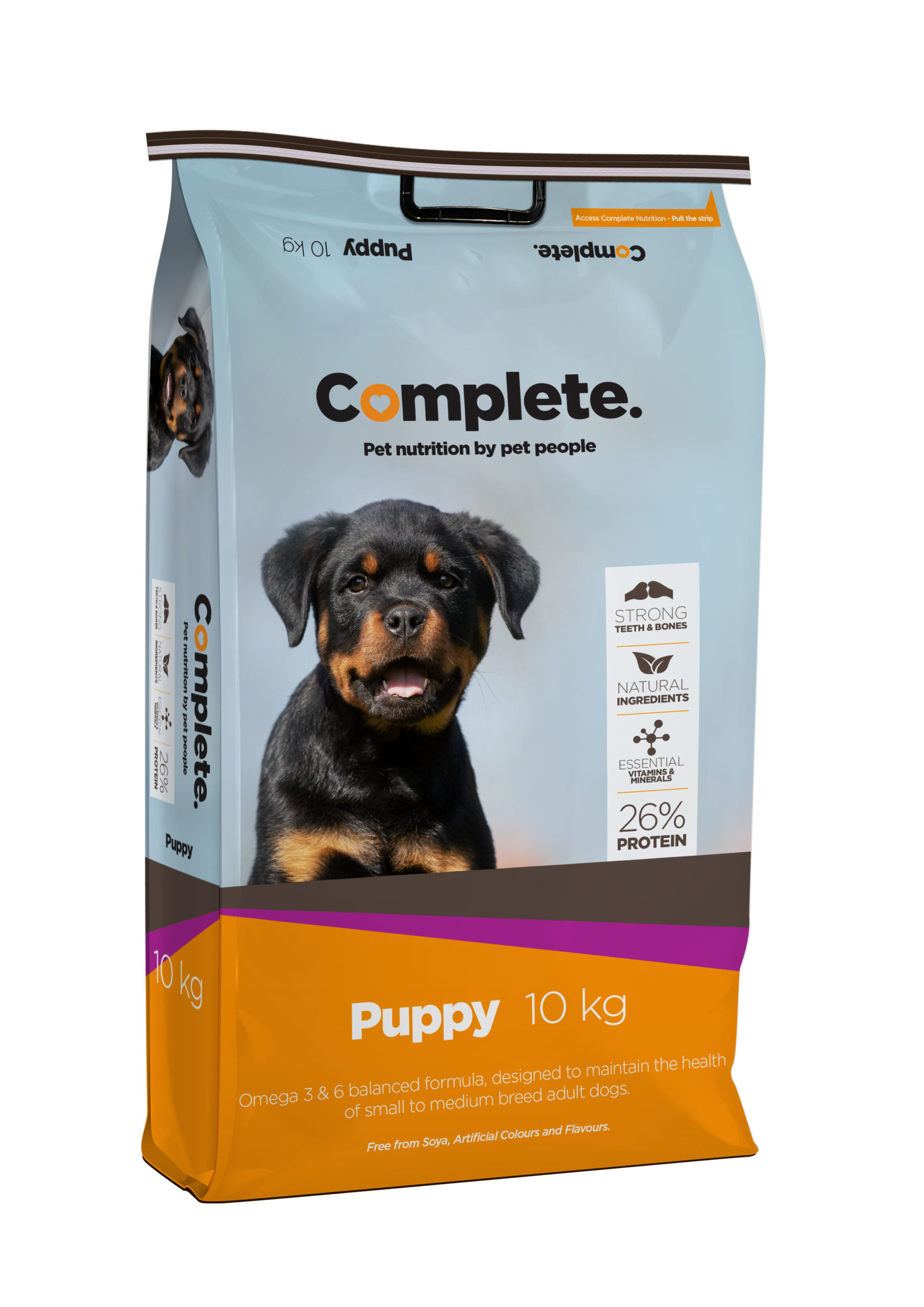
The Best Dog Food for Puppies
Choosing the right food for your puppy is crucial for their growth and development. Puppies have unique nutritional needs that must be met to ensure they grow into healthy adult dogs. Here are some factors to consider when selecting the best dog food for your furry friend:
Protein Content
Puppies require a diet rich in high-quality protein to support their rapid growth and development. Look for puppy foods that list a high-quality protein source, such as chicken or lamb, as the first ingredient.
Essential Nutrients
Ensure that the dog food you choose contains essential nutrients like vitamins, minerals, and omega-3 fatty acids. These nutrients are vital for your puppy’s overall health, immune system, and brain development.
Avoid Fillers
Avoid dog foods that contain fillers like corn, wheat, and soy. These ingredients offer little nutritional value and may cause digestive issues in puppies. Opt for foods with wholesome ingredients that are easily digestible.
Consult Your Veterinarian
It’s always a good idea to consult your veterinarian before making any changes to your puppy’s diet. They can provide valuable insight based on your puppy’s specific needs and help you choose the best food for them.
Top Picks
Some popular choices for the best dog food for puppies include brands like Blue Buffalo Life Protection Formula Puppy Food, Hill’s Science Diet Puppy Food, and Wellness Complete Health Puppy Food. These brands are known for their high-quality ingredients and balanced nutrition tailored to puppies.
Remember, providing your puppy with a nutritious diet is essential for their health and well-being. By choosing the best dog food for puppies, you can set them up for a lifetime of happiness and good health.
7 Essential Tips for Choosing the Best Puppy Food
- Choose a high-quality puppy food that is specifically formulated for puppies.
- Look for puppy foods that list meat as the first ingredient.
- Avoid puppy foods with artificial colors, flavors, and preservatives.
- Consult with your veterinarian to determine the best feeding schedule and portion size for your puppy.
- Gradually transition your puppy to new food to prevent digestive upset.
- Provide fresh water at all times for your puppy.
- Monitor your puppy’s weight and adjust food portions accordingly to maintain a healthy growth rate.
Choose a high-quality puppy food that is specifically formulated for puppies.
When selecting the best dog food for puppies, it is crucial to choose a high-quality puppy food that is specifically formulated for their unique nutritional needs. Puppy food is specially designed to provide the right balance of nutrients essential for their growth and development. By opting for a puppy-specific formula, you can ensure that your furry companion receives the appropriate levels of protein, vitamins, and minerals required for their overall health and well-being during this critical stage of life.
Look for puppy foods that list meat as the first ingredient.
When selecting the best dog food for puppies, it is important to look for puppy foods that list meat as the first ingredient. High-quality protein sources like meat provide essential nutrients and amino acids that support a puppy’s growth and development. By choosing puppy foods with meat as the primary ingredient, you can ensure that your furry companion receives the necessary nutrition for a healthy start in life.
Avoid puppy foods with artificial colors, flavors, and preservatives.
When selecting the best dog food for puppies, it is crucial to avoid puppy foods that contain artificial colors, flavors, and preservatives. These additives offer little to no nutritional value and may potentially harm your puppy’s health in the long run. Opting for dog foods free from artificial ingredients ensures that your puppy receives a wholesome and natural diet that supports their growth and development without unnecessary chemicals. Prioritizing foods with real, high-quality ingredients will contribute to your puppy’s overall well-being and set them on the path to a healthy life.
Consult with your veterinarian to determine the best feeding schedule and portion size for your puppy.
Consulting with your veterinarian is essential when determining the best feeding schedule and portion size for your puppy. Veterinarians can provide personalized recommendations based on your puppy’s breed, age, size, and specific nutritional needs. They can help you establish a feeding routine that promotes healthy growth and development while ensuring that your puppy receives the right amount of nutrients for their well-being. By seeking professional guidance, you can create a tailored diet plan that supports your puppy’s overall health and happiness.
Gradually transition your puppy to new food to prevent digestive upset.
When transitioning your puppy to a new food, it is important to do so gradually to prevent digestive upset. Abrupt changes in diet can lead to stomach issues such as diarrhea or vomiting in puppies. To ease the transition, mix small amounts of the new food with their current food over a period of about 7-10 days, gradually increasing the proportion of the new food. This gradual approach allows your puppy’s digestive system to adjust to the new diet more smoothly, ensuring a smooth transition and promoting their overall well-being.
Provide fresh water at all times for your puppy.
It is essential to provide fresh water at all times for your puppy. Hydration is key to your puppy’s overall health and well-being, especially when feeding them dry kibble. Make sure to regularly refill their water bowl with clean, fresh water to keep them hydrated throughout the day. Adequate water intake helps maintain proper digestion, regulates body temperature, and supports vital organ function in growing puppies. By ensuring access to fresh water, you are helping your puppy stay healthy and happy as they grow into a strong and active adult dog.
Monitor your puppy’s weight and adjust food portions accordingly to maintain a healthy growth rate.
Monitoring your puppy’s weight is essential when choosing the best dog food for puppies. By keeping a close eye on your puppy’s weight and growth rate, you can adjust their food portions accordingly to ensure they are receiving the right amount of nutrition. Overfeeding can lead to excessive weight gain, while underfeeding can result in stunted growth. By maintaining a healthy growth rate through proper portion control, you can help your puppy develop into a strong and healthy adult dog.
Related Posts
Exploring the Benefits of Fresh Dog Food for Your Canine Companion
The Benefits of Fresh Dog Food The Benefits of Fresh…
Essential Cat Supplies for Your Feline Friend’s Well-Being
Cat Supplies: Essentials for Your Feline Friend Cat Supplies: Essentials…
Leader of the Pack Doggie Daycare: Where Your Pup Reigns Supreme!
Leader of the Pack Doggie Daycare Welcome to Leader of…