
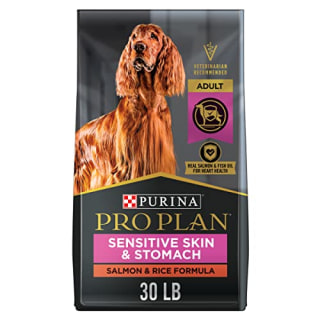
The Importance of Choosing the Right Food for Your Dog
As a responsible dog owner, one of the most crucial decisions you will make for your furry friend is choosing the right food. Proper nutrition is essential for your dog’s overall health and well-being. With a plethora of options available in the market, it can be overwhelming to select the best food for your canine companion.
Consider Your Dog’s Specific Needs
Every dog is unique, and their dietary requirements may vary based on factors such as age, breed, size, and activity level. Puppies have different nutritional needs than senior dogs, while active breeds may require a diet rich in protein to support their energy levels.
Reading Labels and Understanding Ingredients
When choosing dog food, it’s essential to read the labels carefully. Look for high-quality ingredients such as real meat (e.g., chicken, beef) as the primary source of protein. Avoid foods that contain fillers, artificial additives, and excessive amounts of preservatives.
Consulting with Your Veterinarian
Your veterinarian can provide valuable guidance on selecting the right food for your dog. They can recommend specific brands or types of food based on your dog’s individual needs and any health concerns they may have.
Transitioning to a New Diet
If you decide to switch your dog’s food, it’s essential to do so gradually to prevent digestive upset. Start by mixing small amounts of the new food with their current food and gradually increase the proportion over several days until they are fully transitioned.
Monitoring Your Dog’s Health
After transitioning to a new diet, monitor your dog’s health closely. Look for signs of improved energy levels, healthy coat and skin, proper digestion, and overall well-being. If you notice any negative changes in your dog’s health or behavior, consult with your veterinarian promptly.
Remember that providing your dog with nutritious and balanced meals is one of the best ways to ensure they lead a long and healthy life. By making informed choices about their diet, you are investing in their well-being and happiness.
Top Dog Diet FAQs: Best Foods, Alternatives, Feeding Tips, and Favorites
- What food is good for dogs to eat?
- What can I feed my dog instead of dog food?
- How should I feed my dog daily?
- What is a dog’s favorite food?
What food is good for dogs to eat?
When it comes to determining what food is good for dogs to eat, it is essential to prioritize nutrition and quality. High-quality dog food that contains real meat as the primary protein source, along with balanced nutrients, is generally recommended. It is crucial to avoid foods with fillers, artificial additives, and excessive preservatives. Consulting with a veterinarian can provide valuable insights into selecting the best food based on your dog’s specific needs and health requirements. Ensuring that your dog’s diet is nutritious and well-balanced plays a significant role in their overall health and well-being.
What can I feed my dog instead of dog food?
When considering alternatives to commercial dog food, it’s essential to prioritize your dog’s nutritional needs. While occasional homemade meals can be a treat for your furry friend, it’s crucial to consult with a veterinarian or canine nutritionist before making any significant changes to their diet. Some safe and healthy options to supplement or replace commercial dog food include cooked lean meats (such as chicken or turkey), vegetables (like carrots or green beans), and whole grains (such as brown rice or quinoa). However, these alternatives should not make up the entirety of your dog’s diet, as they may not provide all the essential nutrients required for their overall health.
How should I feed my dog daily?
When it comes to feeding your dog daily, it’s essential to establish a consistent feeding schedule based on your dog’s age, size, and activity level. Most adult dogs thrive on being fed twice a day, while puppies may require more frequent meals. It’s crucial to measure the appropriate portion size according to your dog’s specific dietary needs and avoid overfeeding to prevent weight gain and potential health issues. Providing fresh water at all times is also vital for your dog’s hydration. Consulting with your veterinarian can help you create a customized feeding plan that suits your dog’s individual requirements and promotes their overall health and well-being.
What is a dog’s favorite food?
Dogs’ favorite foods can vary greatly depending on individual preferences and tastes. While some dogs may go crazy for meaty treats like steak or chicken, others might have a sweet tooth and enjoy fruits like apples or berries. It’s essential to remember that a dog’s favorite food is not always the healthiest option for them. As responsible pet owners, we should prioritize feeding our furry friends a balanced and nutritious diet that meets their specific dietary needs rather than solely focusing on their favorite indulgences. Consulting with a veterinarian can help determine the best food choices for your dog based on their age, breed, and overall health.
Related Posts

Embracing the Power of Goodness: Making a Positive Impact
The Importance of Being Good The Importance of Being Good…
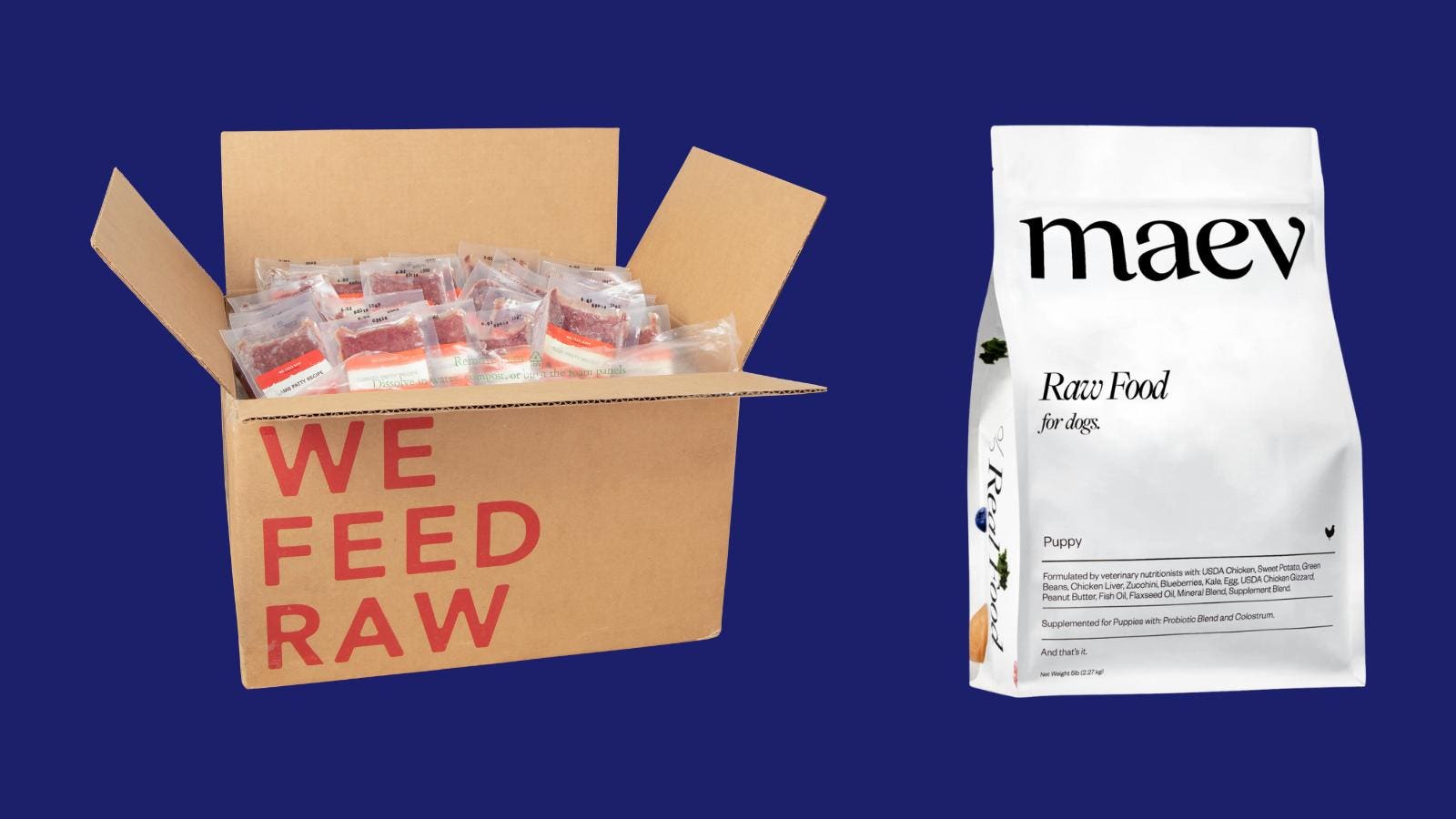
Discover the Benefits of Maev Dog Food for Your Furry Companion
The Benefits of Maev Dog Food for Your Furry Friend…
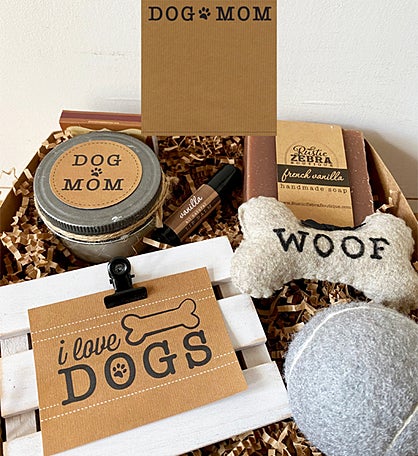
Top Gifts for Dog Owners: Show Your Appreciation for Canine-Loving Friends and Family
Gifts for Dog Owners The Perfect Gifts for Dog Owners…